


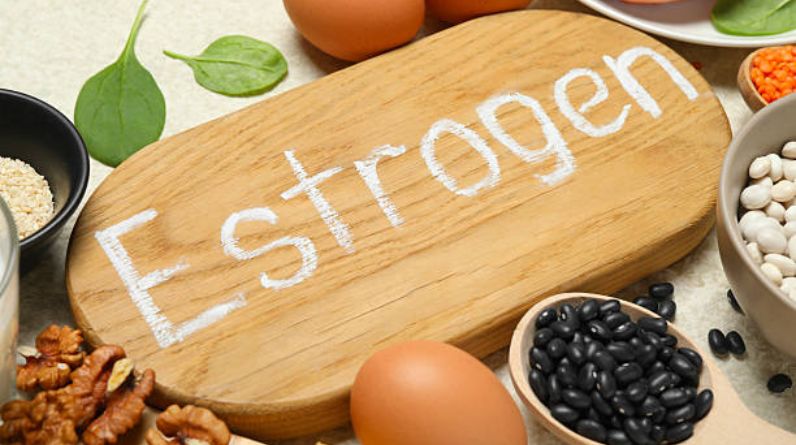
Hormones don’t usually break overnight. In most cases, estrogen slowly drifts out of balance because of daily food choices, stress, sleep habits, and blood-sugar swings. Many people search for pills or extreme diets, but the truth is simpler. What you eat every day has a direct and powerful effect on estrogen levels. This guide breaks down what foods help estrogen balance, why they work, and how to use them without confusion or restriction.
Understanding Estrogen Balance (Before Food Fixes)
Estrogen isn’t a “bad” hormone. Both men and women need it for energy, bone strength, mood, and metabolic health. Problems start when estrogen becomes too high, too low, or poorly cleared from the body. Symptoms often include fatigue, stubborn weight gain, bloating, mood swings, brain fog, low libido, or irregular cycles. Food doesn’t force estrogen up or down overnight. Instead, it helps the body regulate production, metabolism, and elimination naturally.
Why Food Matters More Than Supplements
Many people jump straight to supplements, but food works at a deeper level. Estrogen balance depends on liver detox pathways, gut bacteria, blood sugar control, and inflammation levels. Whole foods influence all four at once. Supplements usually target one pathway, while diet creates a stable hormonal environment. When food quality improves, the body often corrects estrogen imbalance on its own, without aggressive intervention.
High-Fiber Foods That Help Balance Estrogen
Fiber is one of the most important nutrients for estrogen balance. Estrogen is processed by the liver and excreted through the gut. Without enough fiber, estrogen gets reabsorbed instead of removed. This can slowly raise circulating estrogen levels. Soluble and insoluble fiber bind estrogen metabolites and help move them out efficiently.
Foods like vegetables, berries, legumes, seeds, and whole grains support this process. Fiber also stabilizes blood sugar, which indirectly reduces estrogen disruption caused by insulin spikes. Most people need more fiber than they think, and consistency matters more than extremes.
Cruciferous Vegetables and Estrogen Detox
Cruciferous vegetables play a unique role in estrogen metabolism. They contain compounds that support healthy estrogen breakdown in the liver. This doesn’t “lower estrogen aggressively,” but helps the body convert estrogen into safer, more balanced forms. This is especially helpful for people dealing with estrogen dominance symptoms.
Regular intake, even in small amounts, is enough to support this pathway. Light cooking often improves digestibility while preserving benefits. The goal isn’t large bowls daily, but steady inclusion throughout the week.
Healthy Fats That Support Hormone Signals
Hormones are built and transported using fats. Very low-fat diets often disrupt estrogen balance rather than fix it. Healthy fats support cell membranes, reduce inflammation, and help hormones communicate properly with receptors. This improves how estrogen functions, not just how much exists.
Omega-3 fats are especially helpful because they reduce inflammatory signals that interfere with hormone regulation. Including quality fats also improves satiety, reducing blood-sugar swings that destabilize estrogen over time.
Protein Sources That Stabilize Estrogen
Protein doesn’t directly raise or lower estrogen, but it stabilizes the systems that regulate it. Adequate protein supports liver detox, muscle mass, insulin sensitivity, and appetite control. These all influence estrogen balance indirectly but powerfully.
Consistent protein intake throughout the day prevents energy crashes and stress hormone spikes, which otherwise disrupt estrogen signaling. The focus should be on quality and regularity, not extreme intake.
Fermented Foods and the Gut-Estrogen Connection
The gut plays a surprising role in estrogen balance. Certain gut bacteria influence how estrogen is reactivated or eliminated. When gut health is poor, estrogen recycling increases, contributing to imbalance. Fermented foods support beneficial bacteria that help normalize this process.
Small daily servings are more effective than occasional large amounts. The goal is gentle, steady gut support rather than aggressive probiotic loading.
Foods That May Disrupt Estrogen Balance
Some foods don’t directly “cause estrogen problems,” but make balance harder to maintain. Highly processed foods, excess sugar, refined carbohydrates, and frequent alcohol intake increase inflammation and burden the liver. This slows estrogen clearance and worsens symptoms over time.
This doesn’t require perfection. Reducing frequency matters more than total elimination. When supportive foods increase, disruptive foods often decrease naturally.
A Simple Estrogen-Balancing Plate (No Tracking)
A practical way to eat for estrogen balance is visual, not mathematical. Half the plate should come from fiber-rich plants. A quarter from quality protein. The remaining portion from healthy fats and slow-digesting carbohydrates. This structure supports gut health, blood sugar stability, and hormone metabolism without stress.
Eating this way most days is enough. Hormones respond better to consistency than short-term intensity.
How Long Food Takes to Affect Estrogen
Food changes don’t work overnight, but they also don’t take forever. Many people notice improved energy, digestion, and mood within one to two weeks. Hormonal symptoms such as bloating or cycle irregularities often improve within one to three months. Estrogen balance is cumulative. Small daily choices compound faster than people expect.
Common Mistakes That Slow Progress
One common mistake is removing too many foods at once. Over-restriction increases stress hormones, which worsens estrogen balance. Another mistake is relying on single “superfoods” while ignoring overall diet quality. Balance comes from patterns, not hacks. Skipping meals or eating inconsistently can also disrupt progress, even with healthy food choices.
Frequently Asked Questions
What foods help estrogen balance the most?
Fiber-rich plants, cruciferous vegetables, healthy fats, quality protein, and fermented foods support estrogen regulation through gut and liver pathways.
Can food alone fix estrogen imbalance?
Mild to moderate imbalances often improve significantly with food and lifestyle changes. Severe symptoms may require medical guidance alongside diet.
How often should I eat estrogen-balancing foods?
Daily consistency matters more than large portions. Small amounts eaten regularly support steady hormone regulation.
Final Thoughts
Estrogen balance isn’t about controlling hormones. It’s about supporting the systems that regulate them. When food choices reduce inflammation, stabilize blood sugar, and support digestion, estrogen usually follows. You don’t need extreme diets, expensive supplements, or perfect eating. Simple, repeatable food habits create the strongest hormonal foundation over time.


