


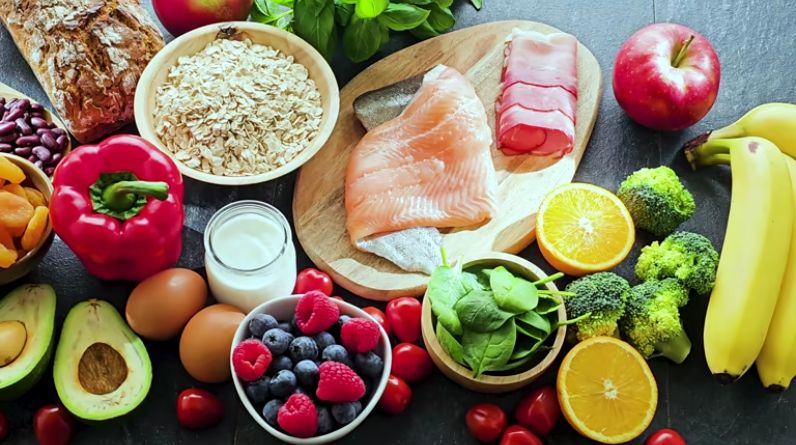
If you often feel tired, low on energy, or unable to keep up with daily tasks, your stamina may need improvement. The good news is that food plays a powerful role in boosting stamina naturally. The right diet can fuel your body, improve endurance, and help you stay active for longer periods. Many people focus only on exercise, but without proper nutrition, stamina will not improve effectively. In this guide, you will learn how to increase stamina with food using simple, everyday choices that support long-lasting energy and better performance.
Why Food Matters For Stamina
Stamina depends on how efficiently your body produces and uses energy. The food you eat provides the fuel your body needs to function properly. When your diet lacks essential nutrients, your energy levels drop quickly. This leads to fatigue, weakness, and poor performance.
A balanced diet supports muscle function, oxygen flow, and energy production. Foods rich in carbohydrates, proteins, healthy fats, vitamins, and minerals all play a role in improving stamina. When your body gets the right nutrients, it can sustain energy for longer periods without feeling exhausted.
Best Foods To Increase Stamina Naturally
Complex Carbohydrates For Long-Lasting Energy
Carbohydrates are the main source of energy for your body. But not all carbs are equal. Complex carbohydrates provide steady energy instead of quick spikes and crashes.
Foods like brown rice, oats, whole wheat bread, and sweet potatoes release energy slowly. This helps maintain stamina throughout the day. Including these foods in your meals can prevent sudden fatigue and keep you active for longer hours.
Protein For Muscle Strength And Recovery
Protein is essential for building and repairing muscles. Strong muscles help improve overall stamina and endurance.
Good sources of protein include eggs, chicken, fish, lentils, beans, and yogurt. When your muscles recover faster, your body can perform better during physical activities. This leads to improved stamina over time.
Healthy Fats For Sustained Energy
Healthy fats provide a concentrated source of energy. They are especially useful for long-duration activities.
Foods like nuts, seeds, avocados, and olive oil help your body maintain energy levels. Unlike unhealthy fats, these support heart health and improve overall performance. Adding small amounts of healthy fats to your diet can boost stamina naturally.
Fruits For Instant Energy Boost
Fruits are rich in natural sugars, vitamins, and antioxidants. They provide quick energy without harming your health.
Bananas are one of the best foods for stamina because they contain potassium and natural carbohydrates. Apples, oranges, and berries also help improve energy levels. Eating fruits before or after physical activity can enhance performance and recovery.
Leafy Greens For Oxygen Flow
Leafy vegetables like spinach and kale are packed with iron and essential nutrients. Iron helps carry oxygen in the blood, which is crucial for stamina.
When your body gets enough oxygen, your muscles can work more efficiently. This reduces fatigue and improves endurance. Including leafy greens in your meals can make a noticeable difference in your energy levels.
Hydration And Its Role In Stamina
Stamina is not just about food. Hydration plays a major role in maintaining energy levels. Even mild dehydration can cause fatigue and reduce performance.
Drinking enough water helps regulate body temperature and supports muscle function. Coconut water and natural fruit juices can also help replenish electrolytes. Staying hydrated ensures your body performs at its best throughout the day.
Foods To Avoid That Reduce Stamina
Some foods can negatively impact your stamina and energy levels. Avoiding these can help you feel more active and focused.
Processed foods, sugary snacks, and fast food often lead to energy crashes. They provide quick energy but do not last long. Excess caffeine can also cause temporary boosts followed by fatigue. Reducing these foods can help maintain consistent stamina.
Meal Timing For Better Energy Levels
When you eat is just as important as what you eat. Skipping meals or eating irregularly can lead to low energy levels.
Eating small, balanced meals throughout the day helps maintain steady energy. A good breakfast kickstarts your metabolism, while a balanced lunch and dinner keep your body fueled. Snacks like fruits or nuts between meals can prevent energy dips.
Pre-Workout Foods To Boost Stamina
Eating the right foods before physical activity can improve performance and endurance.
A combination of carbohydrates and a small amount of protein works best. For example, a banana with peanut butter or oatmeal with yogurt provides energy without feeling heavy. These foods prepare your body for better stamina during workouts.
Post-Workout Foods For Recovery
After physical activity, your body needs nutrients to recover and rebuild. Proper recovery helps improve stamina over time.
Protein-rich foods like eggs or chicken, combined with carbohydrates like rice or potatoes, help restore energy and repair muscles. This allows your body to perform better in future activities. If your energy feels low during the day, you can also read How To Restore Energy And Vitality In Men to improve your stamina naturally.
Daily Habits That Improve Stamina With Food
Consistency is key when it comes to improving stamina. Making small daily changes can lead to big results.
Start your day with a healthy breakfast. Include a mix of nutrients in every meal. Avoid long gaps without eating. Stay hydrated and choose whole foods over processed options. Over time, these habits will naturally increase your stamina.
Common Mistakes That Lower Stamina
Many people unknowingly follow habits that reduce their stamina. Identifying and correcting these can help improve energy levels.
Skipping meals, eating too much junk food, and not drinking enough water are common mistakes. Relying only on supplements instead of natural food can also limit long-term results. Focusing on a balanced diet is the best approach for sustainable stamina.
My Personal Experience
From experience, changing food habits can make a noticeable difference in stamina. Switching from processed snacks to whole foods like fruits, nuts, and home-cooked meals helps maintain energy throughout the day.
Simple changes like eating breakfast regularly and staying hydrated can improve both physical and mental performance. Over time, these habits create a strong foundation for better stamina without relying on artificial energy boosters.
- For more nutrition-based guidance, you can explore Natural Health Source to understand how food impacts stamina and overall health.
Conclusion
Improving stamina does not require complicated methods. The right food choices can naturally increase your energy and endurance. By focusing on balanced nutrition, staying hydrated, and avoiding unhealthy foods, you can support your body’s ability to perform better every day.
Small, consistent changes in your diet can lead to long-term improvements in stamina. Start with simple steps, and gradually build habits that keep your body energized, strong, and ready for any challenge.


