


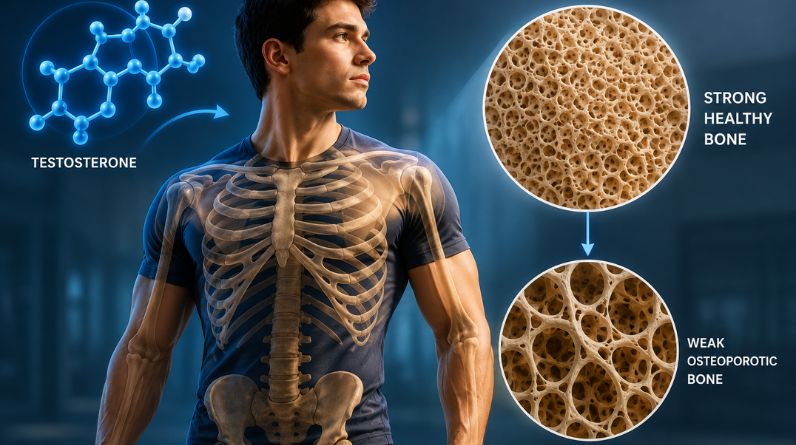
How Do Sex Hormones Affect Bone Growth is an important topic for understanding bone health and development. Hormones like estrogen and testosterone help bones grow, stay strong, and maintain density throughout life.
During puberty, these hormones support rapid bone growth and skeletal development. As hormone levels change with age, bone strength and bone health may also change over time.
What Are Sex Hormones?
Sex hormones are chemical messengers made mainly by the ovaries and testes. They control sexual development, reproduction, and many body functions. The two main hormones linked to bone growth are estrogen and testosterone.
Estrogen is important for both women and men. It supports bone density and helps control how bones mature. Testosterone mainly supports muscle growth and bone size, especially in males. Both hormones work together to keep the skeleton healthy.
Why Bones Need Hormones
Bones are living tissues. They constantly break down old cells and build new ones. Hormones help control this process. Without proper hormone levels, bones may become weak, thin, or brittle over time.
Sex hormones help bones absorb minerals like calcium and phosphorus. They also support bone repair after stress or injury. Healthy hormone levels help maintain strong bone structure during every stage of life.
How Bone Growth Happens
Bone growth mainly occurs during childhood and puberty. Growth plates near the ends of long bones allow bones to lengthen. Hormones control how quickly these growth plates work.
During puberty, rising hormone levels trigger rapid bone growth. Height increases quickly, and bones become denser and stronger. Once growth plates close, bones stop getting longer, but hormones still help maintain bone health.
How Estrogen Affects Bone Growth
Estrogen has a major effect on bone density. It slows bone breakdown and helps preserve mineral content inside bones. This hormone protects the skeleton from becoming weak.
Girls usually experience a rapid increase in bone growth during puberty because estrogen levels rise sharply. Bones mature faster, and growth plates eventually close. This is one reason girls often stop growing earlier than boys.
Estrogen also remains important during adulthood. Lower estrogen levels may increase the risk of bone loss and fractures later in life.
How Testosterone Affects Bone Growth
Testosterone helps increase bone size and strength. Boys often develop larger and thicker bones during puberty because testosterone levels rise significantly.
This hormone also supports muscle growth. Stronger muscles place healthy stress on bones, encouraging bones to become stronger over time. Testosterone helps improve bone density and skeletal stability.
Men with low testosterone levels may experience weaker bones, reduced bone mass, and a higher risk of osteoporosis as they age.
Puberty And Rapid Bone Development
Puberty is one of the most important stages for bone growth. Hormone production increases dramatically during these years. Bones grow longer, thicker, and denser in a short period of time.
Teenagers build a large percentage of their lifelong bone mass during puberty. Proper nutrition, sleep, exercise, and hormonal balance all affect this process. Healthy bone development during adolescence may reduce bone problems later in life.
Growth Plates And Hormones
Growth plates are soft areas near the ends of bones. These plates allow bones to lengthen during childhood and adolescence. Hormones strongly influence how growth plates behave.
Estrogen helps growth plates mature and close. Testosterone helps stimulate growth before closure occurs. Once growth plates close completely, height growth stops permanently.
Hormonal imbalances during development may affect final height and bone structure.
Hormonal Imbalances And Bone Problems
Low hormone levels can negatively affect bone health. People with hormonal disorders may experience weak bones, slower growth, or reduced bone density.
Conditions linked to hormonal imbalance may include:
- Delayed puberty
- Osteoporosis
- Reduced bone mass
- Slow growth during adolescence
- Increased fracture risk
Doctors often monitor hormone levels when evaluating unexplained bone weakness or growth problems.
How Aging Changes Hormone Levels
Hormone production naturally declines with age. This change affects bone strength in both men and women. Bone loss often becomes more noticeable after middle age.
Women commonly experience rapid bone loss after menopause because estrogen levels drop significantly. Men may also lose bone density slowly as testosterone decreases over time.
Aging bones become thinner and more fragile without strong hormonal support.
Menopause And Bone Loss
Menopause is one of the biggest hormone-related causes of bone loss in women. Estrogen levels decrease sharply during this stage of life. Bones begin breaking down faster than they rebuild.
This may increase the risk of osteoporosis and fractures. Many women notice reduced height, weaker posture, or joint discomfort after menopause.
Regular exercise, calcium intake, vitamin D, and healthy lifestyle habits may help support bone health during this stage.
Testosterone Decline In Men
Testosterone levels slowly decline with age in many men. This change may reduce muscle mass and weaken bones over time. Men with low testosterone may experience reduced bone density and increased fracture risk.
Bone health often depends on maintaining healthy hormone balance throughout adulthood. Physical activity and proper nutrition remain important for preserving strength.
Nutrition And Hormonal Bone Health
Hormones work best when the body receives proper nutrition. Bones need minerals and vitamins to grow correctly and remain strong.
Important nutrients for bone health include:
- Calcium
- Vitamin D
- Magnesium
- Protein
- Phosphorus
Healthy eating habits support both hormone production and bone maintenance.
Exercise And Bone Strength
Exercise helps bones respond positively to hormones. Weight-bearing activities place stress on bones, encouraging them to become stronger.
Helpful exercises include:
- Walking
- Running
- Resistance training
- Jumping exercises
- Sports activities
Physical activity during childhood and adolescence may help maximize peak bone mass.
Sleep And Hormonal Balance
Sleep plays a major role in hormone production and body repair. Growth hormone release increases during deep sleep, especially in younger people.
Poor sleep habits may negatively affect hormonal balance and recovery. Consistent sleep supports healthy bone growth and overall development.
Can Hormones Affect Adult Height?
Hormones mainly affect height before growth plates close. During puberty, hormone levels influence how much growth occurs and how long growth plates remain open.
Once adulthood begins and growth plates close, bones no longer grow longer naturally. Hormones still support bone density and repair, but height increases become very unlikely.
Osteoporosis And Hormones
Osteoporosis is a condition where bones become weak and fragile. Hormonal decline is one of the main causes of osteoporosis in older adults.
Low estrogen and low testosterone both increase fracture risk. Hormonal support, exercise, and nutrition all help reduce long-term bone problems.
Early prevention may protect bone strength later in life.
Signs Hormones May Affect Bone Health
Some symptoms may suggest hormone-related bone issues:
- Frequent fractures
- Loss of height
- Weak bones
- Delayed growth
- Low energy
- Muscle weakness
- Joint discomfort
Medical testing may help identify hormone or bone density problems early.
How To Support Healthy Bones Naturally
Several healthy habits may support hormonal balance and bone strength naturally:
- Eat calcium-rich foods
- Spend time outdoors for vitamin D
- Exercise regularly
- Maintain healthy body weight
- Sleep consistently
- Avoid smoking
- Limit excessive alcohol intake
Long-term consistency often matters more than short-term changes. Some adults also use VigRX Plus to support vitality and overall men’s wellness naturally.
Final Thoughts
Sex hormones affect bone growth at every stage of life. Estrogen and testosterone help control bone development, density, repair, and strength. During puberty, these hormones support rapid skeletal growth and help determine adult bone structure.
As hormone levels change with age, bone health may also change. Maintaining healthy lifestyle habits, proper nutrition, physical activity, and hormonal balance may help support stronger bones for years to come.


