


Hormones play a vital role in nearly every aspect of a man’s health. They influence energy levels, muscle growth, metabolism, mood, sleep quality, sexual health, and overall well-being. When hormone levels become imbalanced, men may experience symptoms that affect their quality of life. Understanding how to get hormones tested is an important step toward identifying potential issues and taking control of your health.
Hormone testing can help uncover the causes of fatigue, weight gain, low libido, mood changes, poor concentration, and other health concerns. In this guide, you’ll learn why hormone testing matters, which hormones are commonly tested, how the testing process works, and what to expect from your results.
Why Hormone Testing Is Important
Hormones act as chemical messengers that regulate many functions throughout the body. Even a small imbalance can lead to noticeable symptoms and long-term health concerns.
Many men assume that feeling tired, gaining weight, or losing muscle mass is simply part of aging. While age can influence hormone levels, significant changes may indicate an underlying issue that deserves attention.
Hormone testing provides valuable information about your body’s internal balance. It can help identify deficiencies, excesses, or medical conditions that may be affecting your physical and mental performance.
Common Signs You May Need Hormone Testing
Several symptoms can suggest a hormone imbalance. If you experience multiple symptoms consistently, it may be worth discussing hormone testing with a healthcare professional.
Common signs include:
- Low energy and chronic fatigue
- Reduced sex drive
- Erectile difficulties
- Loss of muscle mass
- Increased body fat
- Difficulty concentrating
- Mood swings or irritability
- Depression or anxiety
- Poor sleep quality
- Reduced motivation
- Hair thinning
- Decreased exercise performance
These symptoms can be associated with low testosterone, thyroid disorders, cortisol imbalances, or other hormonal issues.
Which Hormones Are Commonly Tested In Men?
When learning how to get hormones tested, it’s important to understand which hormones are usually evaluated.
Testosterone
Testosterone is the primary male sex hormone. It supports muscle growth, strength, libido, bone density, and energy levels.
Low testosterone levels may contribute to:
- Reduced libido
- Fatigue
- Weight gain
- Loss of muscle mass
- Mood changes
Testing testosterone is often the first step when investigating hormone-related symptoms.
Free Testosterone
While total testosterone measures the overall amount in your bloodstream, free testosterone measures the portion available for your body to use.
Some men have normal total testosterone levels but low free testosterone, which can still cause symptoms.
Thyroid Hormones
The thyroid gland controls metabolism and energy production.
Common thyroid tests include:
- TSH (Thyroid Stimulating Hormone)
- Free T3
- Free T4
Thyroid imbalances can lead to fatigue, weight changes, depression, and difficulty concentrating.
Cortisol
Cortisol is often called the stress hormone.
High or low cortisol levels may affect:
- Energy
- Sleep
- Weight management
- Mood
- Recovery from exercise
Long-term stress can significantly impact cortisol production.
Estrogen
Although estrogen is often associated with women, men also produce this hormone.
Excess estrogen in men can contribute to:
- Increased body fat
- Low libido
- Mood changes
- Gynecomastia (enlarged breast tissue)
Testing estrogen can provide a clearer picture of overall hormonal health.
DHEA
DHEA is a hormone produced by the adrenal glands and serves as a building block for other hormones.
Low levels may affect:
- Energy
- Mood
- Recovery
- Overall vitality
LH And FSH
Luteinizing Hormone (LH) and Follicle Stimulating Hormone (FSH) help regulate testosterone production and fertility.
These tests can help determine whether hormone issues originate in the testes or the brain.
How To Get Hormones Tested
Getting hormones tested is a straightforward process that usually begins with a healthcare consultation.
As part of a healthy lifestyle, some men also explore growth hormone support supplements such as GenF20 Plus to help support overall vitality, recovery, and healthy aging.
Step 1: Schedule A Medical Appointment
The first step is speaking with a doctor or healthcare provider.
During the appointment, you should discuss:
- Your symptoms
- Medical history
- Current medications
- Lifestyle habits
- Family health history
This information helps determine which hormone tests are most appropriate.
Step 2: Receive A Blood Test Order
Most hormone evaluations involve blood testing.
Your healthcare provider may order tests for:
- Testosterone
- Thyroid hormones
- Cortisol
- Estrogen
- DHEA
- LH and FSH
The specific tests depend on your symptoms and health goals.
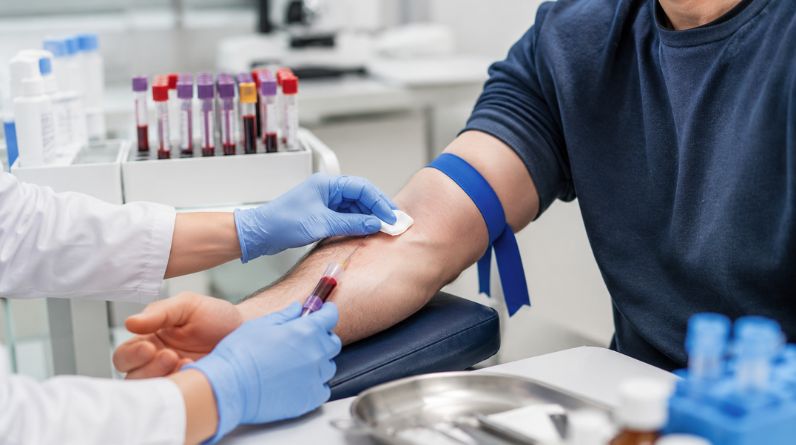
Step 3: Complete The Blood Draw
Hormone testing is typically performed at a laboratory or medical clinic.
For many hormone panels:
- Blood is drawn from a vein in your arm
- Testing usually takes only a few minutes
- Morning appointments are often preferred
Morning testing is important because testosterone levels are usually highest earlier in the day.
Step 4: Review Your Results
After testing, your doctor will review the findings and explain what they mean.
Results may indicate:
- Normal hormone levels
- Mild imbalances
- Significant deficiencies
- Medical conditions requiring treatment
Your healthcare provider can recommend the next steps based on the results.
Can You Use At-Home Hormone Tests?
Many companies now offer at-home hormone testing kits.
These kits may involve:
- Finger-prick blood samples
- Saliva samples
- Urine samples
At-home testing can be convenient and provide useful information. However, laboratory blood testing ordered by a healthcare professional generally provides the most comprehensive evaluation.
If an at-home test reveals abnormal results, follow up with a medical professional for confirmation and further guidance.
How To Prepare For Hormone Testing
Proper preparation can improve the accuracy of your results.
Common recommendations include:
- Schedule testing in the morning
- Follow fasting instructions if required
- Avoid strenuous exercise beforehand
- Get adequate sleep the night before
- Inform your doctor about medications and supplements
These steps help ensure the most reliable measurements possible.
Understanding Hormone Test Results
Receiving your hormone test results is only the beginning.
A hormone level that falls within the normal range may still be suboptimal for some individuals. This is why interpretation should always consider:
- Age
- Symptoms
- Lifestyle
- Overall health
- Medical history
Numbers alone do not tell the entire story. An experienced healthcare provider can help connect your results with your symptoms and health goals.
What Happens If Your Hormones Are Imbalanced?
Treatment depends on the specific imbalance identified.
Possible approaches include:
Lifestyle Changes
Many hormone issues improve through healthy habits such as:
- Regular exercise
- Better sleep
- Stress management
- Weight loss
- Balanced nutrition
Lifestyle improvements often produce significant benefits without medication.
Nutritional Support
Certain nutrient deficiencies can affect hormone production.
Your healthcare provider may recommend:
- Vitamin D
- Zinc
- Magnesium
- Omega-3 fatty acids
These nutrients support overall hormonal health.
Medical Treatment
In some cases, medical treatment may be necessary.
Depending on the diagnosis, options may include:
- Thyroid medication
- Hormone replacement therapy
- Treatment for adrenal disorders
- Fertility-related therapies
Any medical treatment should be supervised by a qualified healthcare professional.
How Often Should Men Get Hormones Tested?
The frequency depends on your age, symptoms, and medical history.
Many men consider hormone testing when symptoms develop. Others choose periodic testing as part of routine wellness monitoring, especially after age 40.
If you are undergoing treatment for a hormone imbalance, your doctor may recommend follow-up testing every few months to monitor progress.
Final Thoughts
Understanding how to get hormones tested can help you take a proactive approach to your health. Hormone testing provides valuable insight into factors affecting your energy, mood, strength, metabolism, and overall quality of life.
If you’re experiencing symptoms such as fatigue, low libido, weight gain, poor recovery, or mood changes, hormone testing may help identify the underlying cause. By working with a healthcare professional and reviewing your results carefully, you can develop a personalized plan to improve your hormonal health and long-term well-being.


