


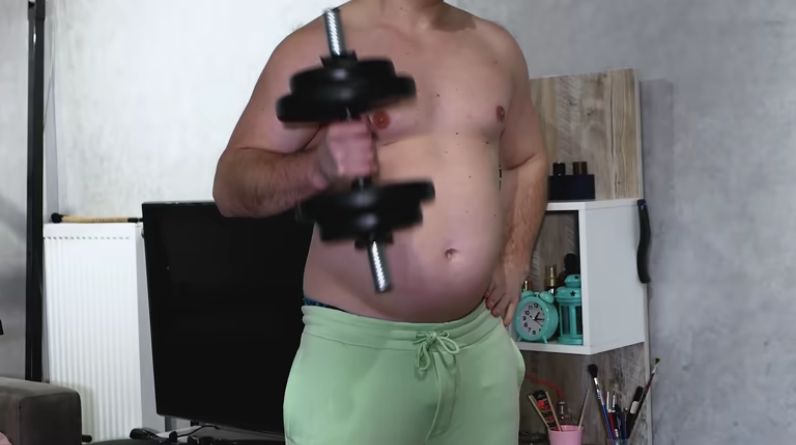
Learning how to cut body fat without losing muscle can feel difficult at first. Many people eat less and do more cardio, but end up looking smaller and weaker instead of lean and strong. The body needs proper nutrition, strength training, and recovery to burn fat while keeping muscle.
A balanced approach usually works best for long-term results. This guide explains how to lose fat and keep muscle through healthy eating, resistance training, recovery, and simple daily habits that support steady fat loss naturally.
Why Muscle Loss Happens During Fat Loss
During a calorie deficit, the body uses stored energy for fuel. Body fat becomes one source of energy, but muscle tissue can also break down during this process. Muscle loss becomes more likely once calorie intake drops too low or workouts become unbalanced.
Many people trying to lose weight focus only on eating less. This approach may reduce body weight quickly, but it can also lower energy levels, reduce strength, and make the body appear less defined.
Muscle retention depends on several factors. Protein intake, resistance training, sleep quality, hydration, and recovery all play important roles during fat loss.
Keep The Calorie Deficit Moderate
A moderate calorie deficit supports steady fat loss while helping the body maintain muscle mass. Extreme calorie restriction often increases fatigue and slows recovery.
Gradual fat loss usually works better because the body still receives enough fuel for training and recovery. A smaller deficit also makes healthy eating easier to maintain over time.
People searching for how to lose fat and keep muscle often expect dramatic results within a few weeks. Sustainable fat loss takes patience, but slower progress usually leads to better muscle retention and healthier long-term results.
Protein Supports Muscle Retention
Protein is one of the most important nutrients during a cutting phase. The body uses protein to repair and maintain muscle tissue, especially after workouts.
Meals built around protein sources such as chicken breast, eggs, fish, Greek yogurt, lean beef, cottage cheese, and protein shakes can support recovery and help reduce hunger throughout the day.
Higher protein intake may also help preserve strength during a calorie deficit. Balanced meals with protein, vegetables, healthy fats, and carbohydrates often create better energy levels compared to restrictive diets.
Anyone trying to learn how to lose weight without losing muscle should prioritize consistent protein intake throughout the day.
Strength Training Helps Maintain Muscle
Resistance training remains one of the best ways to preserve muscle during fat loss. Strength training tells the body that muscle tissue is still needed, which helps reduce muscle breakdown during a calorie deficit.
Compound exercises such as squats, rows, bench presses, shoulder presses, and deadlifts are especially useful because they train multiple muscle groups at once.
The goal during a cut is usually maintaining strength rather than constantly increasing weight. Consistent workouts with proper recovery often produce better results than excessive training volume.
Many people trying to cut body fat make the mistake of replacing strength training with endless cardio sessions. Cardio can support calorie burn, but resistance training remains essential for muscle retention.
Healthy muscle recovery habits can make fat loss easier while helping the body maintain strength and lean muscle during a cut.
Cardio Should Support Fat Loss Carefully
Cardio can help increase calorie expenditure during fat loss, but too much cardio may create unnecessary fatigue. Long daily cardio sessions can sometimes interfere with recovery and reduce workout performance.
Walking is often one of the most effective forms of cardio during a cut. Daily walks help increase activity levels without placing excessive stress on the body. Incline treadmill walking, cycling, and moderate steady-state cardio can also work well.
Balanced activity levels usually support fat loss more effectively than extreme cardio routines.
Sleep And Recovery Matter
Recovery plays a major role during fat loss. Poor sleep can affect energy levels, hunger hormones, workout performance, and overall recovery.
The body repairs muscle tissue during rest. Without enough sleep, maintaining muscle during a calorie deficit becomes more difficult.
Stress management is also important. High stress levels may increase fatigue and make healthy habits harder to maintain consistently.
Good sleep, hydration, and recovery habits often improve fat loss results more than people expect.
The Best Diet To Lose Fat And Gain Muscle
The best diet to lose fat and gain muscle is usually balanced, sustainable, and easy to follow long term. Extremely restrictive diets often create frustration and increase the likelihood of overeating later.
Meals built around lean protein, vegetables, healthy fats, and complex carbohydrates can help support energy and recovery. Rice, potatoes, oats, fruits, vegetables, eggs, chicken, fish, and yogurt are all common foods used during cutting phases.
Carbohydrates should not always be removed completely. Carbs help support workout performance and recovery, especially during strength training.
Consistency with healthy eating habits matters far more than following extreme diet trends.
Common Mistakes During A Cut
Several common mistakes can increase the risk of muscle loss during fat loss phases.
Eating too little is one of the biggest problems. Severe calorie deficits often lead to low energy and slower recovery.
Too much cardio can also become an issue once recovery begins to suffer. Poor protein intake, inconsistent strength training, and lack of sleep may also reduce muscle retention.
Another common mistake is relying only on scale weight to measure progress. The scale does not always reflect body composition changes accurately.
Tracking progress through photos, waist measurements, strength levels, and clothing fit often provides a clearer picture of fat loss progress.
Supplements That May Help
Supplements are not required for successful fat loss, but some products may support the process.
Protein powder can help increase daily protein intake more conveniently. Creatine monohydrate may support strength and muscle retention during calorie deficits.
Hydration also matters. Drinking enough water and maintaining electrolyte balance can improve energy and workout performance.
Long-term consistency with nutrition and training remains far more important than relying heavily on supplements.
How To Measure Progress Properly
The scale can fluctuate daily because of water retention, sodium intake, stress, and digestion. Small changes in body weight do not always reflect actual fat loss.
Progress photos often provide better visual feedback during cutting phases. Waist measurements and workout performance can also help track improvements over time.
Fat loss usually happens gradually. Patience and consistency remain important throughout the process.
Final Thoughts
Learning how to cut body fat without losing muscle requires patience, balance, and consistency. Healthy fat loss is not about extreme dieting or exhausting workouts. The body responds better to gradual changes supported by proper nutrition, resistance training, recovery, and sustainable habits.
A balanced approach often leads to better muscle retention, improved energy levels, and more realistic long-term results. Small daily habits practiced consistently can create significant progress over time.


