


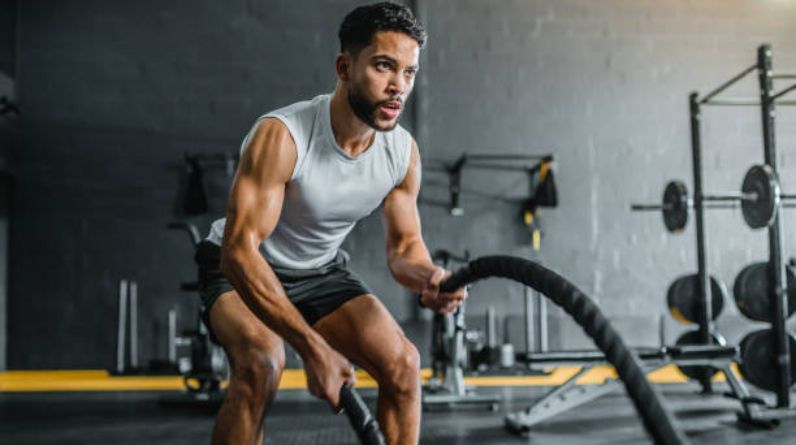
How to get stronger without lifting weights is easier than most people think. You don’t need dumbbells, machines, or a gym membership to build real strength. Bodyweight exercises can help you gain power, improve flexibility, and boost your overall fitness right at home.
By using your own body weight as resistance, you can train every major muscle group while also improving balance and coordination.
Natural ways to get stronger at home are simple, effective, and require zero equipment. With a little consistency and creativity, you can build a powerful routine that delivers real results.
The Science Behind Bodyweight Strength Training
The concept of getting stronger without lifting weights may seem unconventional, but it’s rooted in solid scientific principles. Bodyweight strength training leverages the body’s own weight to challenge muscles, promoting strength and muscle growth.
Understanding Progressive Overload Without Weights
Progressive overload is a fundamental principle in strength training, referring to the gradual increase in resistance to challenge muscles further. Without weights, this can be achieved through various methods such as changing the angle of the body, increasing the number of repetitions, or modifying the exercise to make it more difficult.
Resistance Variations and Angles
By altering the angle of the body or the type of exercise, one can effectively increase the resistance. For example, diamond push-ups are more challenging than traditional push-ups due to the different muscle emphasis.
Leveraging Body Mechanics
Understanding body mechanics is crucial. For instance, changing the position of the feet or hands can significantly alter the difficulty of an exercise, thus providing a form of progressive overload.
Muscle Adaptation and Growth Principles
Muscle adaptation occurs when muscles are subjected to stress, leading to growth and increased strength. This process involves both hypertrophy (muscle size increase) and neural adaptations.
Hypertrophy vs. Strength Development
While hypertrophy refers to the increase in muscle size, strength development is about enhancing the muscle’s ability to exert force. Both are crucial for overall strength.
Neural Adaptations in Bodyweight Training
Neural adaptations, such as improved muscle recruitment patterns, play a significant role in strength gains. Bodyweight training can effectively stimulate these adaptations.
Essential Bodyweight Exercises for Full-Body Strength
Essential bodyweight exercises are the key to unlocking your full strength potential. These exercises target different muscle groups and can be modified to suit various fitness levels. By incorporating these exercises into your routine, you can achieve a full-body workout without the need for any equipment.
Upper Body Strength Builders
Upper body strength is crucial for overall fitness. Exercises like push-ups and pull-ups are effective for building strength in the arms, shoulders, and chest.
Push-Up Variations and Progressions
Push-ups are a classic upper body exercise. Variations include diamond push-ups, decline push-ups, and single-arm push-ups. These variations target different muscle groups and increase the challenge as you progress.
Pull-Up Alternatives Without Equipment
If you don’t have access to a pull-up bar, you can still work on your upper body strength with alternatives like inverted rows (using a chair or table) and assisted pull-ups using resistance bands.
Core Strengthening Movements
A strong core is essential for stability and overall strength. Exercises like planks and dynamic core exercises are highly effective.
Plank Progressions and Variations
Planks can be modified to increase difficulty. Side planks, plank jacks, and plank holds with leg lifts are examples of variations that challenge your core in different ways.
Dynamic Core Exercises
Dynamic exercises like Russian twists, bicycle crunches, and leg raises engage your core muscles and improve flexibility and strength.
Lower Body Power Exercises
Lower body strength is vital for mobility and overall fitness. Squats, lunges, and bridges are effective exercises for building lower body strength.
Squat Variations for Strength
Squats can be done in various forms, including bodyweight squats, sumo squats, and squat jumps. These variations target different muscle groups in the legs.
Lunge and Bridge Progressions
Lunges and bridges are effective for targeting the legs and glutes. Variations include walking lunges, side lunges, and single-leg bridges, which increase the challenge and engage different muscles.
| Exercise | Primary Muscle Group | Variations |
| Push-Up | Chest, Shoulders, Triceps | Diamond, Decline, Single-Arm |
| Squat | Legs, Glutes | Sumo, Squat Jump, Single-Leg |
| Plank | Core | Side Plank, Plank Jacks, Leg Lift |
How to Get Stronger Without Lifting Weights: Effective Techniques
Effective strength training isn’t limited to weightlifting; there are several alternative methods. To get stronger without lifting weights, you can incorporate various bodyweight exercises and training techniques into your routine.
Time Under Tension Methods
Time under tension (TUT) is a technique that involves prolonging the duration of your exercises to increase muscle strength and endurance. By slowing down your movements, you can effectively challenge your muscles without the need for weights.
Slow-Motion Exercise Execution
Performing exercises in slow motion increases the time your muscles are under tension, enhancing strength gains. For example, taking 3-5 seconds to lower yourself during a push-up can significantly increase the difficulty.
Pause Repetitions for Strength
Adding pauses during your repetitions can also boost strength. Pausing for 1-2 seconds at the most challenging part of the exercise can help build strength and control.
Isometric Training Approaches
Isometric exercises involve contracting your muscles without moving your joints. This technique is highly effective for building strength and can be done anywhere.
Static Holds for Muscle Development
Static holds, such as holding a plank position, engage your muscles and improve strength. Start with manageable durations and gradually increase the time.
Wall Sits and Planks for Endurance
Exercises like wall sits and planks are excellent for building endurance. They engage multiple muscle groups simultaneously, providing a comprehensive strength workout.
Plyometric Power Development
Plyometric exercises involve explosive movements that can significantly enhance power and strength. These exercises are dynamic and can be adapted to various fitness levels.
Jumping Exercises for Explosive Strength
Jumping exercises, such as squat jumps, are effective for building explosive strength. They engage your lower body and improve power.
Clap Push-Ups and Burpee Variations
Clap push-ups and burpees are advanced plyometric exercises that challenge your upper body and overall strength. They require coordination and power, making them excellent for strength gains.
Creating a Progressive Calisthenics Routine
Developing a progressive calisthenics routine is essential for achieving strength gains without relying on weights. This approach allows individuals to continually challenge themselves, ensuring consistent progress in their strength training journey.
Beginner’s Strength Building Plan
For those new to calisthenics, starting with a foundational routine is crucial. This involves focusing on basic bodyweight exercises that work multiple muscle groups.
3-Day Full Body Starter Routine
A beginner can start with a 3-day full-body routine, incorporating exercises like push-ups, squats, and lunges. This helps in building overall strength and endurance.
Form and Technique Fundamentals
Proper form and technique are vital to avoid injuries and ensure effective workouts. Beginners should focus on mastering the basics before progressing to more complex movements.
Intermediate Progression Techniques
As individuals progress, they can incorporate more challenging exercises and techniques into their routine. This includes varying the intensity and volume of workouts.
Circuit Training for Strength Endurance
Circuit training is an effective method for building strength endurance. It involves performing a series of exercises in succession with minimal rest in between.
Split Routines Without Equipment
Split routines can be adapted for calisthenics, allowing individuals to focus on specific muscle groups on different days without needing any equipment.
Advanced Bodyweight Strength Challenges
For advanced practitioners, calisthenics offers a range of challenging exercises that can further enhance strength and fitness.
One-Arm and One-Leg Variations
Advanced individuals can progress to one-arm and one-leg variations of exercises, such as one-arm push-ups and single-leg squats, to increase difficulty.
Gymnastic-Inspired Movements
Incorporating gymnastic-inspired movements, like handstands and front levers, can provide a significant strength challenge and add variety to a calisthenics routine.
By following a progressive calisthenics routine, individuals can achieve significant strength gains without the need for weights or equipment. As quoted by fitness expert,
This principle is fundamental to calisthenics and strength training in general.
Tracking Progress and Setting Strength Goals
Monitoring your improvements and setting realistic goals are key components of a successful bodyweight training program. To stay motivated and focused, it’s crucial to have a clear understanding of how to measure progress and set achievable milestones.
Measuring Improvements Without Weights
When you’re not using weights, tracking progress requires a different approach. You can focus on the number of repetitions you can perform or the quality of your movements.
Rep and Set Progression Tracking
One effective way to measure improvement is by tracking the number of repetitions and sets you can complete. For example, if you’re doing push-ups, try to increase the number of push-ups in each set over time.
Movement Quality Assessment
Another important aspect is assessing the quality of your movements. As you get stronger, you should be able to perform exercises with more control and precision. Focus on proper form and technique to ensure you’re getting the most out of your workouts.
Setting Realistic Strength Milestones
Setting achievable goals is vital for maintaining motivation and tracking progress. Your goals should be specific, measurable, and aligned with your overall fitness objectives. For more tips on men’s fitness and health, check out HealthyTipsForMen.com
Short-Term Achievement Targets
For short-term goals, focus on achievable targets, such as increasing the number of pull-ups you can do in a row or mastering a new skill like a handstand against a wall.
Long-Term Bodyweight Mastery Goals
Long-term goals might include achieving a certain level of proficiency in bodyweight exercises, such as performing a one-arm pull-up or completing a challenging calisthenics routine.
By setting both short-term and long-term goals, you can create a roadmap for your strength training journey and stay motivated to continue improving.
Nutrition and Recovery for Optimal Strength Gains
Nutrition and recovery are the unsung heroes of strength training, providing your body with the necessary tools to adapt and grow stronger. When focusing on natural ways to get stronger at home, it’s essential to understand that your diet and recovery strategies are just as crucial as your workout routine. Explore trusted natural wellness solutions at NaturalHealthSource.com
Protein Requirements for Muscle Building
Protein is a fundamental nutrient for muscle growth and repair. Ensuring you consume enough protein is vital for those engaging in a full-body workout without weights.
Plant-Based vs. Animal Protein Sources
Both plant-based and animal protein sources can be effective. Plant-based options like legumes, beans, and tofu are excellent for those following a vegetarian or vegan diet. Animal sources like chicken, fish, and eggs provide a complete amino acid profile.
Daily Intake Recommendations
The daily protein intake recommendation varies, but a general guideline is to consume about 1.2 to 1.6 grams of protein per kilogram of body weight daily for muscle building.
| Protein Source | Protein Content per Serving | Serving Size |
| Chicken Breast | 31g | 3 oz |
| Black Beans | 15g | 1 cup cooked |
| Salmon | 20g | 3 oz |
Optimal Meal Timing for Strength Development
When you eat is just as important as what you eat. Proper meal timing can enhance your strength gains.
Pre and Post-Workout Nutrition
Consuming a balanced meal with protein and carbohydrates before a workout can improve performance. Post-workout, a mix of protein and carbs helps in recovery and muscle growth.
Hydration Strategies
Adequate hydration is crucial for physical performance and recovery. Aim to drink at least 8-10 glasses of water per day, adjusting according to your activity level.
Rest and Recovery Strategies
Rest and recovery are critical components of getting stronger without weights. Your body repairs and grows muscle during rest periods.
Sleep Quality Optimization
Ensuring you get 7-9 hours of quality sleep per night is vital for muscle recovery and growth.
Active Recovery Techniques
Engaging in light activities like yoga or a leisurely walk on rest days can enhance recovery by promoting blood flow without overstraining your muscles.
Conclusion
Developing strength without relying on weights or equipment is not only possible but also highly effective. By incorporating exercises to build strength using your own body into your daily routine, you can achieve significant gains in overall fitness and muscle endurance.
A well-structured home workout routine to get stronger can be tailored to your fitness level, whether you’re a beginner or an advanced athlete. The key is to focus on progressive overload, muscle adaptation, and proper nutrition to support your strength training journey.
By applying the principles outlined in this article, you can create a sustainable and effective strength training program that yields lasting results. Stay committed, be patient, and celebrate your progress along the way.
With consistency and dedication, you can unlock your full potential and enjoy the many benefits that come with increased strength and overall fitness.


