


The first time I tried a heavy squat, my legs shook and the bar felt glued to my shoulders. That moment pushed me to learn how to improve squat strength the right way.
I once believed adding more weight solved everything. Real progress came from better form, smart practice, and learning how to squat stronger with control.
In this guide, I share the best exercises to improve squat strength, simple ways to build leg strength for squats, and tips that helped me improve barbell squat performance step by step.
Why Squat Strength Matters For Overall Fitness
Squats build real strength that carries into daily life. The movement trains many muscles at once. Legs, hips, and core work together in one smooth motion. Strong squats often lead to stronger overall fitness.
Lower body power grows through consistent squatting. The quads and glutes drive the body upward with force. That strength helps during running, jumping, and lifting. Many athletes rely on squats as the base of their training.
The core also works hard during squats. A tight core keeps the spine stable and upright. That stability improves posture and balance. Over time, the body learns to move with better control.
Daily movement feels easier with stronger legs. Simple tasks like climbing stairs or lifting bags become smoother. Squats train the body to bend and lift safely. Strong muscles help protect the knees and hips from injury.
My Personal Experience Improving Squat Strength
My early squat sessions felt awkward and frustrating. The bar felt heavy even with light weight. My knees moved forward and my back felt unstable. Progress stayed slow and my confidence dropped.
A coach once watched my squat and pointed out small mistakes. My stance looked too narrow and my core felt loose. A few simple adjustments changed everything. The bar began to move with more control.
Progress started after I lowered the weight and focused on clean form. Each week my legs felt stronger and more stable. That slow approach built real confidence. Squats began to feel natural instead of stressful.
The biggest change came from tracking every workout. I added small weight increases and recorded each session. That habit showed steady progress over time. Strength built slowly and the squat became one of my strongest lifts.
Common Reasons Your Squat Strength Is Not Improving
Many people reach a point where squat progress slows. The body adapts to repeated training. Small mistakes can quietly limit strength gains. Identifying these problems often unlocks new progress.
Poor Squat Technique
Good technique forms the base of a strong squat. A stable stance and tight core create balance. Poor alignment wastes energy and reduces power. Clean form allows the body to move weight smoothly.
Weak Supporting Muscles
The squat relies on several muscles working together. Glutes, hamstrings, and the core support the lift. Weak support muscles reduce stability. Strong support muscles create better control during squats.
Lack of Progressive Overload
Muscles grow stronger through gradual challenge. The body needs increasing resistance to adapt. Small increases in weight or reps create progress. Slow progression builds lasting strength.
Inadequate Recovery
Strength develops during recovery periods. Muscles repair and grow after training sessions. Poor sleep and limited rest reduce performance. Balanced nutrition and recovery help the body rebuild.
Best Exercises To Improve Squat Strength
Many lifters use support exercises to improve their squats. These movements strengthen muscles that assist during the lift. Balanced training creates stronger and more stable legs. These drills rank among the best exercises to improve squat strength.
Front Squats
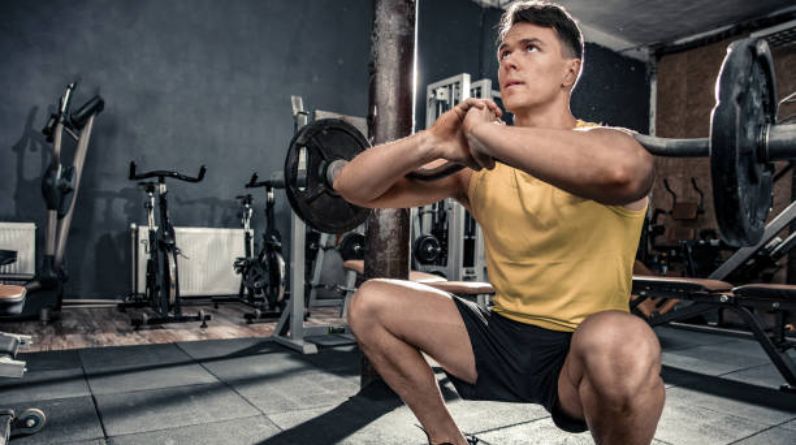
Front squats shift the bar to the front of the body. This position demands strong quads and a tight core. The torso stays upright during the movement. Many athletes use front squats to build control and depth.
Bulgarian Split Squats
Bulgarian split squats train one leg at a time. This exercise improves balance and stability. The glutes and quads work hard during each repetition. Single-leg strength supports stronger squats.
Deadlifts
Deadlifts strengthen the posterior chain. The glutes, hamstrings, and lower back create powerful movement. A strong posterior chain supports deeper squats. Many strength programs combine squats and deadlifts.
Leg Press
The leg press allows heavier loads in a controlled motion. The quads and glutes receive focused tension. Lifters often add this exercise for extra leg strength. That added strength helps improve squat power.
Glute Bridges Or Hip Thrusts
Glute bridges and hip thrusts target the glutes directly. Strong glutes drive the upward phase of the squat. Many athletes notice stronger hip power after adding these exercises. This movement builds explosive strength.
How To Increase Squat Strength Step By Step
Learning how to increase squat strength requires patience and structure. Small improvements create long-term progress. Each step builds a stronger foundation for the lift.
Step 1: Perfect Your Squat Form
Proper form builds safe and powerful movement. The feet stay stable and the core remains tight. The bar stays balanced over the body. Clean technique allows stronger lifts.
Step 2: Use Progressive Overload
Strength grows through gradual increases in resistance. Adding small weight increments challenges the muscles. Consistent overload encourages growth. Over time the body adapts to heavier loads.
Step 3: Train Squats Consistently
Regular squat sessions help the body build skill and strength. Many lifters train squats two or three times each week. Frequent practice improves coordination. Consistency builds long-term results.
Step 4: Strengthen Supporting Muscles
Glutes, hamstrings, and core muscles support the squat. Targeted exercises improve stability and power. Strong support muscles reduce strain on the knees. Balanced strength leads to better squats.
Step 5: Track Your Progress
Recording workouts reveals steady improvement. A simple log shows weight increases and rep counts. Tracking progress builds motivation. Small wins lead to major strength gains.
How To Build Leg Strength For Squats
Understanding how to build leg strength for squats helps improve performance. Strong legs support deeper and more powerful lifts. Several key muscles play important roles.
Key muscles involved
- Quadriceps
- Hamstrings
- Glutes
- Calves
These muscles work together during the squat. Balanced development improves stability and force production.
Many beginners struggle with workout consistency, so learning simple tips for fitness motivation can help maintain a steady training routine
Helpful training tips
- Focus on compound lifts like squats and deadlifts
- Use resistance training to challenge muscles
- Perform proper warm-ups before heavy lifting
Strong legs provide the foundation for powerful squats.
How To Improve Barbell Squat Performance
Many lifters search for ways to improve barbell squat performance. Small technique changes can create large improvements.
Proper bar placement creates balance during the lift. The core should remain tight to stabilize the spine. A controlled descent builds tension in the legs. An explosive upward drive helps generate power.
Consistent practice builds coordination and confidence. Each repetition teaches the body efficient movement. Over time the squat becomes smoother and stronger.
How To Squat Stronger Without Increasing Injury Risk
Learning how to squat stronger also means protecting the body. Safe training habits reduce stress on joints.
A proper warm-up prepares muscles for heavy work. Mobility exercises help maintain joint flexibility. Gradual weight progression prevents sudden strain. Supportive footwear also improves stability.
Balanced training keeps the body healthy. Strong muscles protect the knees and hips. Safe habits support long-term progress.
Weekly Workout Plan To Improve Squat Strength
A simple weekly plan can support squat progress.
Day 1 – Heavy squat training
Focus on lower repetitions and heavier weight.
3 – Accessory leg exercises
Include lunges, leg presses, and hamstring work.
Day 5 – Lighter squat technique session
Use moderate weight and focus on perfect form.
This structure builds strength while allowing recovery.
Nutrition Tips That Help Increase Squat Strength
Nutrition plays a major role in strength development. Muscles require proper fuel for growth.
Adequate protein supports muscle repair. Hydration helps maintain energy during workouts. Carbohydrates provide fuel for intense training sessions.
Balanced nutrition supports consistent progress. Strong muscles require both training and proper fuel.
Common Squat Mistakes That Reduce Strength
Several common mistakes can limit squat progress.
- shallow squats that reduce muscle engagement
- leaning too far forward during the lift
- lifting too heavy too soon
- skipping leg training days
Avoiding these mistakes helps maintain steady progress.
Final Thoughts
Building squat strength requires patience and discipline. Consistent training and proper technique create long-term progress.
Focus on clean form and gradual weight increases. Support exercises strengthen the muscles that assist the lift. Recovery and nutrition also play important roles.
Small improvements lead to powerful results. Start today and continue improving your squat strength step by step.


