


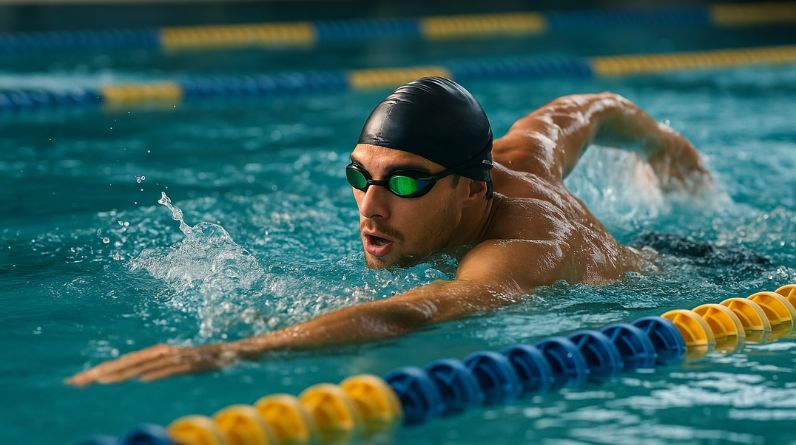
I used to think swimming was about speed. After a few laps, I learned it’s all about stamina. Many people ask how to increase stamina and endurance for swimming, and I’ve been there too.
Small changes made a big difference. Breathing drills, short laps, and steady rhythm helped me improve swimming endurance fast.
In this guide, I’ll share easy swimming workouts for endurance and habits that build real strength in the water.
Understanding Stamina and Endurance in Swimming
Stamina and endurance help you stay strong in the water. Stamina means how long you can swim without feeling tired. Endurance means how well your heart and lungs keep your body going. Both work together like the fuel and engine of a car.
Strength endurance comes from your muscles. It helps your arms, shoulders, and legs push the water again and again. Cardio endurance comes from your heart and lungs. It gives your muscles the oxygen they need to keep moving. You need both to swim longer and stay steady.
I found that stamina is not only about being fit. It grows from small, steady effort. Each swim builds a little more power and control. I learned early that stamina isn’t just fitness — it’s consistency.
Best Ways to Increase Swimming Stamina Naturally
Building stamina for swimming takes time, not talent. You don’t need long hours in the pool. You need smart habits and steady effort. These simple methods show how to improve endurance for swimming in a natural and safe way.
Build a Consistent Swimming Routine
Consistency builds results faster than intensity. Swim for 15 to 20 minutes each day instead of pushing too hard once a week. Small sessions help your body adapt and improve faster. Over time, your strokes feel smoother, and your breath lasts longer. That’s how real endurance grows — one swim at a time.
Interval Training for Endurance
Short bursts of effort followed by rest make a big difference. Try this simple drill: swim 4 sets of 100 meters, rest for 30 seconds between each set. This pattern trains your lungs and heart to recover fast. It also boosts cardiovascular boost stamina, helping you swim longer with less effort.
Mix Dryland Workouts for Strength
You can build endurance outside the pool too. Push-ups, squats, planks, and resistance bands build the muscles that power your strokes. These swimming workouts for endurance help your shoulders, chest, and core stay strong. Land training supports water training — both work together to keep you balanced and powerful.
Focus on Breathing Techniques
Your breath controls your pace and stamina. Try breathing every three or five strokes to train your lungs. Steady breathing brings more oxygen and helps you stay calm underwater. Controlled breath turns swimming into a rhythm instead of a race — that’s where endurance truly begins.
Improve Your Form and Efficiency
Poor form drains energy fast. Focus on gliding smoothly instead of fighting the water. Keep your body flat, stretch your arms forward, and pull with purpose. Smooth movement saves power and helps you swim longer. That’s how to improve swimming endurance without extra strain.
Nutrition and Hydration for Better Stamina
Food and water are your fuel for strong swimming. Eat light before you swim — bananas, oats, or a drink with electrolytes work great. They give quick energy and prevent fatigue.
After swimming, refuel with protein and water. Eggs, yogurt, or a shake help muscles recover. Coconut water or plain water keeps you hydrated and fresh.
You can also try natural boosters like beetroot or magnesium for better endurance. Still, real food and steady hydration are the best ways to stay strong in the pool.
Rest, Recovery, and Mindset
Rest is part of training, not a break from it. Your body grows stronger when you let it recover. A good rest day helps your muscles repair and your energy return. Skipping rest slows your progress instead of speeding it up.
Sleep is your best recovery tool. Deep sleep heals muscles and improves oxygen use, which helps you swim longer with less effort. Aim for seven to eight hours each night to keep your stamina high.
Common Mistakes Swimmers Make (And How to Fix Them)
Many swimmers train hard but overlook the simple habits that build real stamina. Here are the most common mistakes — and how to fix them:
- Overtraining without recovery:
Training every day without rest slows progress. Take 1–2 rest days each week to let your body rebuild and grow stronger. - Ignoring breathing drills:
Breath control is key for endurance. Practice steady breathing every few strokes to stay calm and balanced in the water. - Skipping strength work:
Swimming alone doesn’t build all the muscles you need. Add push-ups, planks, or light weights to improve power and shoulder support. - Not tracking progress:
Track your laps, time, and how you feel after each swim. Seeing your improvement keeps you motivated and focused on long-term results.
My Personal Experience Building Swim Endurance
At first, I could barely swim a few laps without gasping for air. My arms felt weak, and my lungs burned fast. So I started small — 15 minutes a day with calm, steady breathing.
Each week, I added a little more distance. My body adapted, and my confidence grew. I learned that progress comes from patience. Stamina builds through small daily habits, not sudden effort.
FAQs
How can I increase my stamina for swimming fast?
Swim often and stay consistent. Short interval sets and breathing control build endurance quickly and safely.
What foods help with swimming endurance?
Bananas, oats, and lean proteins give steady energy. They fuel your muscles and speed up recovery after each swim.
How long does it take to build swimming stamina?
With regular practice, most people see clear progress in 4–6 weeks. Small daily swims beat long, exhausting sessions every time.
Conclusion
Building stamina takes time, focus, and care. Consistency matters more than speed. Each swim, each breath, and each recovery meal adds a small layer of strength. Breathing right, eating well, and resting enough all work together to make you last longer in the water.
Remember, every lap you finish makes you stronger. Progress may feel slow, but every effort counts. Keep showing up — that’s how real endurance grows.
For more men’s health and performance insights, Explore natural stamina and energy support at NaturalHealthSource.com.


