


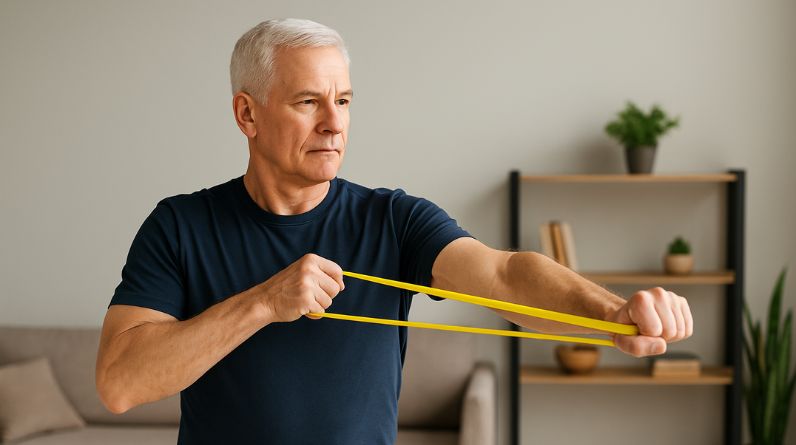
How to Regain Strength After 50 is a simple goal for many men. At 52, I felt my energy drop and my workouts become heavy. I started looking for easy ways to stay strong and active. Fitness after 50 is not about lifting big weights. It is about balance, smart habits, and patience.
In this guide, I share what helped me most — the best exercises for men over 50, how to regain muscle after 50, and the right foods to build strength. This is your path to stay fit, move better, and feel strong again. Let’s begin this journey toward a better you.
Why We Lose Muscle and Strength After 50
The Science Behind Muscle Loss (Sarcopenia)
After 50, your body starts to change. Muscles get smaller and weaker. This is called sarcopenia, which means age-related muscle loss. It is one of the main muscle loss after 50 causes. As we age, our body repairs muscle more slowly. Hormones like testosterone also drop, which makes it harder to stay strong.
I noticed this in my early 50s. My arms looked thinner, and my workouts felt harder. I wasn’t lazy — my body just needed a new plan. When I started eating more protein and resting well, my energy came back. My strength grew again, one small step at a time.
Common Mistakes That Accelerate Weakness
Many people slow down as they get older. They sit more, eat less, and stop lifting weights. These are big muscle loss after 50 causes that we can fix. Walking is good, but it’s not enough. Muscles grow only when you use them often and give them the right fuel.
Men lose about 3–5% of muscle each decade after 30. I felt that loss when I could no longer carry groceries as easily. I added short strength workouts and more protein to my meals. Within a few weeks, I felt steadier and stronger. The body always rewards effort, no matter your age.
How I Regained My Strength After 50
At 52, my strength wasn’t what it used to be. The heavy lifting plans I followed for years left me sore and drained. I decided to start small — light weights, resistance bands, and daily walks. Each simple move built confidence. Slowly, my balance improved, and I began feeling strong again.
My mindset had to change too. I stopped chasing numbers and started listening to my body. Progress became more about energy, posture, and mood than muscle size. Consistency replaced intensity, and patience replaced pride. That shift made training enjoyable again.
After a few months, the difference was clear. My strength returned, my sleep improved, and even my mood lifted. Everyday tasks felt easier. Regaining strength after 50 showed me that real progress comes from care, not punishment — steady effort, good food, and faith in the proces
Best Exercises for Seniors Over 50 That Actually Work
Strength Training Essentials
Starting again, I focused on the basics — squats, pushups, and resistance bands. These compound moves worked several muscles at once and improved my balance. Each session made daily tasks easier, from climbing stairs to lifting bags. Small steps brought steady strength gains without strain or stress.
I learned that perfect form mattered more than heavy weights. Slow, controlled motion built real power. Strength training became less about lifting more and more about moving better. That shift made workouts safer, smoother, and much more enjoyable.
After a few weeks, the difference was clear. My posture improved, my joints felt steadier, and my energy rose. The best part was the sense of control — knowing that my body could still grow stronger with simple, consistent effort.
Low-Impact Options for Joint Health
To stay active on rest days, I turned to low-impact movement. Swimming, brisk walks, and cycling became my go-to choices. These gentle exercises kept my joints flexible and my heart strong. They helped me recover faster while keeping me in motion.
I discovered that comfort doesn’t mean laziness. Gentle exercise still builds endurance and stability. Low-impact work gave me energy without pain and made strength training days feel easier.
Over time, my flexibility improved, and soreness faded. Even small sessions made a big difference in how I felt. The key was to move often, stay kind to my body, and keep things simple.
My Weekly Routine Example
My weekly plan is easy to follow. Strength training on Monday and Thursday, low-impact cardio on Tuesday and Friday, and stretching or yoga midweek. Weekends are for full rest. This mix keeps my body balanced and my motivation high.
Tracking progress helped me stay consistent. Writing down each session kept me accountable and encouraged small wins. Even short workouts added up to big results over time.
After sticking to this plan, my balance improved, my stamina grew, and my body felt stronger than it had in years. It proved that steady effort — not speed — is what truly builds lasting strength after 50.
Diet to Build Strength After 50
Focus on Protein and Recovery Foods
I started adding more protein to every meal. Eggs, salmon, Greek yogurt, and beans became my daily staples. These foods helped me regain muscle after 50 and recover faster after workouts.
My body began to feel stronger and more stable. The right diet to build strength after 50 doesn’t need to be strict — just consistent and simple.
Supplements That Support Muscle Growth
I kept my supplements basic. A scoop of protein powder after workouts, vitamin D for bones, and omega-3s for joint support. These small additions made recovery smoother.
Each one helped my body stay balanced. Supplements filled the gaps that food sometimes missed and supported steady strength gains.
Hydration and Portion Control Tips
I made hydration a daily habit. Drinking water throughout the day boosted my energy and reduced fatigue. Staying hydrated became a quiet but powerful strength tool.
Portion control also mattered. I ate slowly and stopped when I felt full. It kept my body light, fueled, and ready for every workout.
Mindset Shift – The Hidden Key to Staying Fit After 50
Consistency became my greatest strength. I stopped chasing fast results and focused on showing up daily. Small steps built lasting progress. Each workout became proof that effort beats excuses.
Self-belief grew with every session. I learned to trust the process and celebrate small wins. Patience turned struggle into growth. Discipline became easier once I saw how good consistency felt.
The change showed in more than muscles. My mood lifted, stress dropped, and recovery improved. A strong mindset shaped not just my body, but my life. Strength started in the mind, not the gym.
Common Challenges and How to Overcome Them
Joint pain was the first challenge I faced. Heavy workouts left my knees and shoulders sore. I solved it with longer warm-ups and gentle stretching. Light mobility drills each morning kept my joints flexible and pain-free. Small care made big improvements over time.
Fatigue was another hurdle. I learned to rest as hard as I trained. Short naps, better sleep, and balanced meals restored my energy. Listening to my body helped me train smarter, not harder.
Time management tested my discipline. Work, family, and exercise often clashed. I started with short, focused sessions — just 20 minutes a day. Those small windows added up fast and built lasting consistency.
Self-doubt tried to slow me down, but progress proved it wrong. Each small win boosted confidence. Overcoming these challenges showed me that strength after 50 is not about perfection — it’s about persistence and patience.
Looking for a natural way to support your energy and recovery? Explore trusted wellness products on NaturalHealthSource.com — handpicked for men who care about balance and strength.
FAQs
How long does it take to regain muscle after 50?
Most people see results in six to eight weeks. Training often and eating well helps muscles grow faster. Rest and sleep also play a big part in recovery.
What’s the best exercise for older men to build strength?
Simple moves work best. Squats, pushups, and resistance bands train many muscles at once. These best exercises for seniors over 50 also build balance and protect joints.
Can I regain strength without heavy weights?
Yes, you can. Light weights, bands, and bodyweight workouts build strength safely. Focus on good form and slow, steady progress to regain muscle after 50.
Final Thoughts
Strength after 50 isn’t about lifting the heaviest weight — it’s about showing up and believing in yourself. Small steps, done daily, create real change. Every walk, stretch, or workout brings you closer to a stronger body and a sharper mind. Progress may be slow, but it’s always worth it. Stay patient, stay k


