


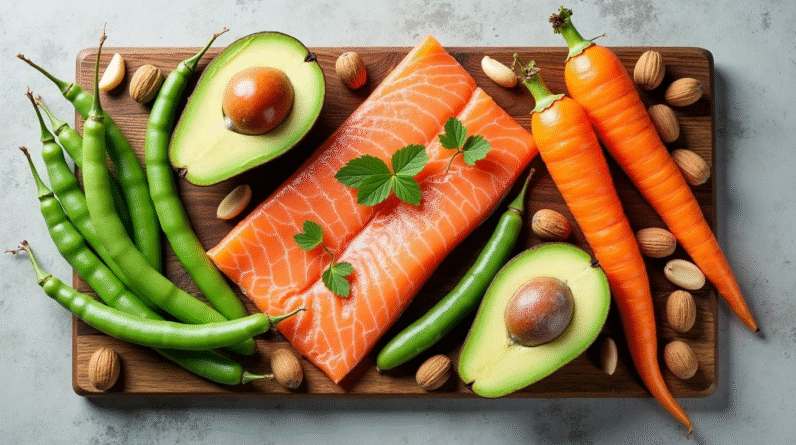
Ever feel like your energy dips at the worst possible time? The truth is, what you eat shapes how you feel, think, and perform each day. Food fuels more than your workouts—it powers your mind, mood, and focus too.
Simple food changes can help you unlock stronger, steadier energy. The right choices support your drive, speed up recovery, and help you stay sharp from your first task to your last. In this guide, you’ll learn which foods work best for lasting energy and how to build meals that make you feel your best, every day.
The Science Behind Food and Energy
Fueling your body is a bit like putting the right gas in a car. The choices you make at each meal influence how much energy you have, how well you focus, and how strong you feel—morning to night. Food isn’t just about satisfying hunger. The nutrients you take in act as fuel for every cell, nerve, and muscle, directly affecting your performance and drive.
How Nutrition Powers Body and Mind
Every movement, thought, and mood shift requires energy. Your meals break down into the fuel that lets your heart beat, your brain focus, and your muscles move. When food is lacking in quality or nutrients, energy dries up fast. High-quality nutrition leads to sharper thinking, faster reaction time, and steadier moods.
- Physical Performance: Strong muscles, quick recovery, and steady energy all rely on proper nutrients.
- Mental Performance: Focus, memory, and mood directly connect to food choices and nutrient levels.
The right foods help you avoid that mid-afternoon slump or foggy head during a meeting. Eating well supports a body and mind that can rise to any occasion.
Macronutrients: The Energy Builders
Food is made up of three main parts—carbohydrates, proteins, and fats. These macronutrients do more than fill you up. Think of them as the building blocks and fuel for everything your body does.
- Carbohydrates: Your body’s first choice for energy. These are found in fruits, oats, rice, potatoes, and whole grains. Good carbs break down into glucose, feeding your muscles and brain quickly during activity or stress.
- Protein: The repair crew of your body. Protein rebuilds muscle, helps recovery after stress or workouts, and supports immune health. Find it in eggs, chicken, fish, beans, and nuts.
- Fat: A long-lasting fuel source. Healthy fats keep you feeling full, help your body absorb vitamins, and support brain health. Focus on sources like olive oil, avocado, nuts, and salmon.
A mix of these in each meal gives you steady, reliable energy from breakfast to bedtime.
Micronutrients: The Small But Mighty Helpers
If macronutrients are the bricks and mortar, micronutrients are the spark plugs and wiring. Vitamins and minerals are needed in tiny amounts, but their impact is huge.
- Vitamins (like B12, C, and D): Support your immune system, create energy, and protect cells from damage.
- Minerals (like iron, magnesium, and potassium): Keep your heart beating, help muscles contract, and balance fluids.
Lack of just one nutrient can sap your strength or slow mental focus. That’s why colorful fruits, leafy greens, dairy, seeds, and a variety of whole foods should be part of your diet.
Putting It All Together
Balanced nutrition feeds strength, drive, and sharp thinking. Focus on meals with:
- Whole grains, starchy veggies, or fruit for carbs.
- Lean protein at each meal.
- Healthy fats in snacks and dishes.
- Plenty of colors from fruits and vegetables.
With the right fuel, you won’t just get through the day—you’ll power your best performance whether at work, in the gym, or running after your kids.
Top Foods for Lasting Energy
Smart food choices provide steady, long-lasting energy without the sugar crashes or afternoon grogginess. The right ingredients nourish your body, boost your focus, and help you power through both busy days and recovery time. Here’s how to build your meals and snacks around foods that keep your energy up for hours.
Whole Grains: The Slow-Burning Fuel
Whole grains work like a steady drip of energy, keeping your blood sugar level and your mind clear. Unlike refined grains, whole grains release glucose slowly. This avoids highs and crashes that leave you drained.
Some of the best options include:
- Brown rice: Great for a filling, energizing base in bowls, stir-fries, or paired with protein.
- Oats: Start your morning strong with unsweetened oatmeal. Add seeds or berries for flavor.
- Quinoa: This complete protein grain cooks fast and keeps you full for hours. Toss it in salads or serve warm with veggies.
Choose these over white bread or instant cereals for better focus and stronger energy. They help your body run like a well-tuned engine, providing the slow-release fuel your busy day demands.
Lean Proteins: Building and Repairing Muscles
Protein isn’t just for athletes. Your daily drive, focus, and ability to bounce back from stress all depend on steady protein intake. Lean proteins help build and repair muscles, and they keep hunger at bay between meals.
Top choices include:
- Chicken: Skinless chicken breast is affordable, easy to cook, and works with any seasoning.
- Fish: Salmon, tuna, and other fatty fish fuel you with protein and heart-healthy fats.
- Eggs: A classic breakfast option, eggs are quick, portable, and rich in key nutrients.
- Beans: Black beans, lentils, chickpeas, and other beans give you protein plus filling fiber.
Add a source of lean protein to every meal to help your energy last longer and speed up recovery after exercise. This routine supports stronger muscles and sharper thinking.
Healthy Fats: Staying Power for Mind and Body
Healthy fats offer more than flavor—they extend your energy and support your mental clarity. The right fats help keep your mood steady and your brain sharp.
Good sources of healthy fats include:
- Avocado: Creamy, satisfying, and loaded with good fats that keep you feeling full.
- Olive oil: Use in dressings or for sautéing to add depth and nutrition.
- Nuts and seeds: Almonds, walnuts, chia seeds, and pumpkin seeds make easy snacks and toppings.
Adding these fats in moderate amounts can help with mental alertness and mood stability. They’re a smart way to extend the effect of your meals and keep cravings in check.
Hydration: The Overlooked Energy Booster
Even a little dehydration can rob you of focus and zest. Staying hydrated keeps your energy steady and helps every system in your body function well.
Quick tips for hydration:
- Water: Keep a bottle close by and sip throughout the day. Water is always your first choice.
- Herbal teas: Caffeine-free teas like peppermint or chamomile hydrate and add variety.
- High-water foods: Snack on cucumber, watermelon, celery, or berries. These foods refresh and replenish fluids.
Drinking enough water is the simplest way to boost energy and stay performing at your best. Don’t wait until you feel thirsty—your body needs water all day for top performance.
Foods That Boost Drive and Motivation
The right food choices don’t just fuel your body—they wake up your mind, sharpen your focus, and keep your motivation steady when the day gets hectic. Some foods are natural powerhouses for drive, thanks to key nutrients that support mental clarity, hormone balance, and resilience against stress. Here’s how a few targeted food groups can help you tap into your best energy and ambition.
B-Vitamins: Spark Plugs for the Brain
B-vitamins are like tiny engines inside your food, switching on your brain’s clarity and keeping productivity high. These vitamins help convert what you eat into energy you can use, and they play a big part in keeping you mentally clear and focused all day.
Try adding these foods rich in B-vitamins to your everyday routine:
- Eggs: Loaded with vitamin B12 and choline for brainpower.
- Leafy greens (spinach, kale, Swiss chard): Packed with folate, which supports memory and mood.
- Whole grains (brown rice, oats, quinoa): Steady your energy and keep motivation stable.
- Nuts (almonds, walnuts, pistachios): Offer B6 and niacin, both key for mental stamina.
B-vitamins help your brain manage stress, boost neurotransmitter production, and keep you motivated from your morning coffee to late afternoon deadlines.
Iron and Magnesium: Powering Productivity
If your energy drops or your focus drifts, iron and magnesium might be missing from your meals. These two minerals battle fatigue and help your brain and muscles work in sync, so you can keep going strong.
Iron helps deliver oxygen throughout your body, which means more alertness and less tiredness. Magnesium keeps nerve cells firing and helps muscles recover from work or exercise.
Top foods rich in iron and magnesium include:
- Spinach: An easy addition to salads or smoothies for both minerals.
- Beef: Lean cuts pump up your iron stores fast.
- Pumpkin seeds: Snack on these for a natural magnesium boost.
- Lentils: Plant-based, hearty, and rich in both iron and magnesium.
Consistent intake of these minerals sharpens focus, supports hormone balance, and makes “brain fog” a thing of the past.
Omega-3s: Staying Sharp Under Pressure
Stress, busy schedules, and constant multitasking pull hard on your focus. Omega-3 fatty acids, found in a few powerhouse foods, calm the mind, support clear thinking, and act like oil for your brain’s gears.
Foods naturally rich in omega-3s include:
- Fatty fish (salmon, mackerel, sardines): Enjoy two servings a week for strong cognitive function.
- Walnuts: A snack that supports mood and mental clarity.
- Flaxseeds: Add to yogurt, smoothies, or oatmeal for an omega-3 punch.
Omega-3s help steady your nerves, reduce stress, and improve reaction time. They’re one of the simplest ways to stay clearheaded and motivated, whether you’re tackling a creative project or making quick decisions at work.
Make these foods regulars in your meals to support your drive, focus, and motivation, so you’re always ready to tackle what comes next.
Eating Habits for Peak Performance
What you eat matters, but when and how much you eat can make or break your energy levels. Fine-tuning these habits helps keep your drive strong from morning until night. Simple adjustments let you power through meetings, workouts, and daily challenges with a steady mind and a body that doesn’t crash.
Smart Meal Timing: Share how spacing meals and snacks supports energy all day.
Eating at the right times can keep your energy smooth and help you avoid sharp drops in focus or mood. Without steady fuel, your body starts dipping—and so does your drive.
Spacing meals and snacks makes a big difference:
- Eat every three to four hours. This rhythm prevents blood sugar crashes and reduces afternoon sluggishness.
- Don’t skip breakfast. A quick morning meal kick-starts your metabolism and sets the tone for the day.
- Plan small snacks between meals. Nuts, fruit, or yogurt bridge the gap and give you a boost when energy starts to lag.
- Avoid loading up late at night. Eating too much before bed can disrupt sleep, making you start the next day tired.
Think of mealtime like fueling a car before a trip—you want a steady source of power, not sudden bursts that leave you running on empty. By timing meals, your body always has what it needs to keep going strong.
Portion Control Without Counting Every Calorie: Give tips for intuitive eating and staying full without overdoing it.
Counting calories every day gets old fast. You can control portions and still feel satisfied without the math. Focus on listening to your body and building plates that keep you full and fueled.
Try these simple tips for intuitive eating:
- Use your hand as a guide:
- Protein: About a palm-sized piece.
- Carbs: A cupped handful.
- Fats: A thumb-sized portion.
- Veggies: Fill the rest of your plate.
- Eat slowly and mindfully. Pay attention as you eat. Stop when you feel about 80% full instead of stuffed.
- Turn off distractions. Put away your phone and step away from your desk so you recognize your hunger and fullness signals.
- Choose foods with fiber and protein. Beans, oats, eggs, and veggies keep you satisfied longer than empty calories.
- Drink water before meals. Sometimes thirst feels like hunger. Hydrating first keeps portions reasonable.
You don’t need charts, apps, or rules to eat well. With a bit of awareness and smart choices, you’ll find the right amount for your body, boost your drive, and stay energized without the hassle.
Foods and Habits That Drain Your Drive
Feeling slow, moody, or just plain wiped out can often be traced back to what’s on your plate and how you live day-to-day. Not all foods—or habits—are created equal. Some slowly chip away at your get-up-and-go, sapping your energy and focus even if you can’t pinpoint the cause. If you keep reaching for another cup of coffee or wonder why you need a nap after lunch, your routine may be running you down.
Let’s look at the common foods and habits that put the brakes on energy and motivation, and why being mindful about them matters.
Ultra-Processed Foods: Empty Fuel That Leaves You Dragging
Ultra-processed foods might be quick and cheap, but they come with a hidden cost. Think packaged snacks, sugary cereals, fast food, energy drinks, and anything packed with artificial flavors, colors, or preservatives.
When you rely on these foods, here’s what typically happens:
- Quick spikes, hard crashes: Ultra-processed foods hit your bloodstream fast, causing blood sugar highs followed by sharp crashes that drag down mood and focus.
- Fake fullness: These foods don’t keep you satisfied for long. Soon after eating, hunger and cravings come roaring back.
- Nutrition gaps: With most nutrients stripped away, your body misses the vitamins and minerals it needs for steady energy, sharp thinking, and strong willpower.
If your day starts or ends with these options, you’ll likely notice unpredictable energy, poor concentration, and a nagging need for more food soon after eating.
Sugar Overload: The Source of Quick Burnouts
Sugar finds its way into a lot of the foods marketed for “energy.” That short burst you feel after a sweet treat? It’s followed by an energy dip that leaves you yawning at your desk.
Too much sugar:
- Trips up blood sugar: Causes spikes and fast crashes, making you tired and irritable.
- Clouds your mind: After the sugar rush, brain fog moves in and focusing gets harder.
- Zaps long-term motivation: Regular sugar highs mess with hormone balance, making it harder to feel driven and alert over time.
When you satisfy hunger with sweets or sweetened drinks, it’s like pouring lighter fluid on a campfire. The flame burns bright for a second, then weakens just as fast.
Excess Caffeine: Short-Term Boost, Long-Term Slump
A strong coffee or energy drink feels like the answer on sluggish days. But piling on caffeine to “fix” fatigue actually drains drive if you’re not careful.
Problems with too much caffeine include:
- Jitters and anxiety: Instead of energy, you get nervousness, a racing heart, or even panic.
- Interrupts sleep: Extra caffeine, especially late in the day, wrecks your rest. Lack of deep sleep leaves you more tired coming into the next morning.
- Dependency: Relying on caffeine for motivation masks underlying tiredness and can make your natural drive even weaker over time.
Moderation is key. One or two cups in the morning can help, but using caffeine as a crutch through the afternoon spells disaster for your drive and mood.
Skipping Meals and Erratic Eating: The Energy Saboteurs
Sometimes the problem isn’t what you eat, but when. Skipping meals or going long hours without food sends your blood sugar plummeting. The result? You feel weak, distracted, and moody.
Habits that sap energy:
- Skipping breakfast: Leaves your engine cold when you want to be sharp.
- Long gaps between meals: Your body has no steady fuel, making you want to nap or reach for junk food.
- Yo-yo dieting: Sudden calorie drops slow your metabolism and leave you feeling sluggish.
A regular eating schedule, with balanced snacks and meals, keeps motivation high and mood even from day to night.
Ignoring Sleep and Hydration: The Overlooked Energy Killers
Nutrition is just one part of the drive equation. Energy drains also show up in daily choices outside the kitchen.
- Not enough sleep: Makes you crave sugar and caffeine, while stealing your ability to focus and feel motivated.
- Dehydration: Even mild dehydration slows reaction time and dulls thinking. You might mistake thirst for hunger, eating when what you really need is water.
Keeping a sleep routine and drinking water throughout the day help lock in the energy you get from quality food.
Turning up your drive means saying no to the habits and foods that drag you down. Stick with whole foods, get plenty of rest, and watch your motivation rise naturally—no sugar rush or caffeine fixes needed.
Conclusion
Food choices shape your energy, focus, and drive more than most people realize. Every balanced meal builds a foundation for steady power throughout your day. Even small changes make a difference—the switch from sugary snacks to whole grains, the habit of drinking more water, or adding more leafy greens at lunch.
Consistency beats perfection. The more often you reach for foods that support mind and body, the stronger and clearer you feel. Start with one change this week. Notice how your energy shifts, not just at the gym or desk, but in everything you do.
Thank you for reading and investing in your well-being. Share your favorite energy foods or meal ideas in the comments. Your commitment inspires others to take their next step toward better performance and lasting health.


