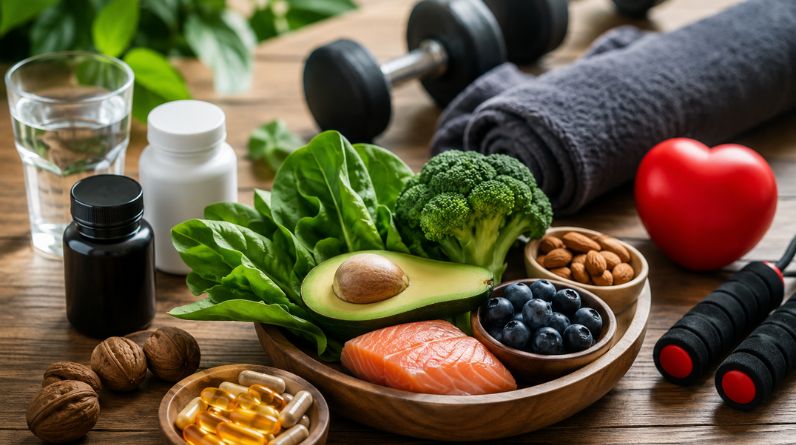
Following a 7-day protein diet plan for weight loss is one of the simplest ways to lose fat without feeling hungry all the time. Protein helps control appetite, keeps energy levels stable, and supports muscle health during weight loss. Many people struggle with dieting because they feel tired or constantly crave snacks. A structured protein-based plan solves this by keeping meals satisfying and balanced.
This plan is designed for beginners and busy people who want a clear, easy-to-follow routine. Each day includes simple meals using common foods. There is no need for complicated recipes or extreme restrictions. The goal is to help the body burn fat more efficiently while still feeling full and energized.
Why Protein Helps With Weight Loss
Protein plays a key role in fat loss. It increases satiety, which means you feel full for a longer time after eating. This naturally reduces calorie intake without forcing strict dieting.
Another benefit is thermogenesis. The body burns more calories digesting protein compared to fats or carbs. This gives a small but helpful boost to metabolism. Protein also helps preserve muscle mass. When losing weight, maintaining muscle is important because it keeps metabolism active.
A protein-rich diet also stabilizes blood sugar levels. This reduces sudden hunger spikes and prevents overeating. Over time, this leads to consistent and sustainable weight loss.
How This 7-Day Plan Works
This 7-day protein diet plan for weight loss is built around three main meals and one or two light snacks per day. Each meal includes a good source of protein along with vegetables and healthy fats.
Portion control is simple. Fill half the plate with vegetables, one-quarter with protein, and the rest with healthy carbs if needed. Drinking enough water is also important. Aim for at least 2–3 liters daily.
Light exercise such as walking or home workouts can improve results, but it is optional for beginners.
Day 1 Meal Plan
Breakfast includes boiled eggs with a slice of whole grain toast. This combination provides protein and steady energy. Lunch consists of grilled chicken breast with mixed vegetables. Dinner includes baked fish with steamed broccoli.
For snacks, Greek yogurt or a handful of nuts works well. This day sets the foundation with simple, clean protein sources that are easy to prepare.
Day 2 Meal Plan
Start the day with a protein smoothie made from milk, banana, and peanut butter. Lunch includes lentil curry with a small portion of rice. Dinner is a chicken salad with olive oil dressing.
Snacks can include boiled eggs or cottage cheese. This day adds plant-based protein while maintaining balance.
Day 3 Meal Plan
Breakfast is scrambled eggs with vegetables. Lunch includes grilled fish with a side of salad. Dinner features chickpea stir-fry with vegetables.
Snacks may include almonds or yogurt. This day mixes both animal and plant proteins for variety.
Day 4 Meal Plan
Begin with oatmeal mixed with protein powder or milk. Lunch is turkey or chicken sandwich on whole grain bread. Dinner includes grilled paneer or tofu with vegetables.
Snacks can include fruit with peanut butter. This day keeps meals simple and quick for busy schedules.
Day 5 Meal Plan
Breakfast includes boiled eggs and fruit. Lunch is grilled chicken with quinoa or rice. Dinner includes fish curry with vegetables.
Snacks can be yogurt or nuts. This day focuses on balanced protein and carbs for sustained energy.
Day 6 Meal Plan
Start with a protein smoothie or eggs. Lunch includes bean salad with olive oil. Dinner is grilled chicken or tofu with steamed vegetables.
Snacks include cottage cheese or peanuts. This day helps maintain variety while keeping protein intake high.
Day 7 Meal Plan
Breakfast includes omelette with vegetables. Lunch is grilled fish or chicken with salad. Dinner includes lentil soup with vegetables.
Snacks can include yogurt or seeds. This final day completes the weekly cycle with light, satisfying meals.
You can also check out our guide on 10 minute workout for beginners at home to support your weight loss journey alongside this diet plan.
Foods to Include in a High-Protein Diet
Choosing the right foods is essential for success. Lean meats like chicken and fish are excellent sources of protein. Eggs are affordable and versatile. Dairy products like yogurt and cottage cheese provide both protein and calcium.
Plant-based options such as lentils, beans, tofu, and chickpeas are also valuable. Nuts and seeds add healthy fats along with protein. Including a variety of these foods ensures balanced nutrition.
Foods to Avoid During the Plan
Certain foods can slow down weight loss. Sugary snacks, soft drinks, and processed foods should be limited. These foods increase calorie intake without providing satiety.
Refined carbs like white bread and pastries can cause energy crashes and hunger spikes. Fried foods and excessive oils should also be reduced. Keeping meals simple and clean improves results.
Common Mistakes to Avoid
One common mistake is not eating enough protein. Skipping protein leads to hunger and overeating later. Another mistake is ignoring portion control. Even healthy foods can slow progress if eaten in large amounts.
Some people rely too much on protein shakes instead of whole foods. While shakes are convenient, whole foods provide better nutrition. Staying hydrated is also important, as dehydration can feel like hunger. For extra nutrition tips and healthy eating advice, you can visit Natural Health Source.
My Personal Experience
From experience, switching to a protein-focused diet made a noticeable difference in hunger levels. Meals felt more satisfying, and there was less need for constant snacking. Energy levels also remained stable throughout the day.
The biggest change was consistency. Instead of trying extreme diets, following a simple structured plan made it easier to stay on track. Over time, this approach led to steady and sustainable weight loss without feeling restricted.
Final Thoughts
A 7-day protein diet plan for weight loss is a practical and effective way to start improving health. It focuses on real, simple foods that keep the body full and energized. By following a structured plan, it becomes easier to reduce calories naturally and avoid unhealthy eating habits.
Consistency is the key to success. Small daily improvements lead to long-term results. With the right balance of protein, healthy foods, and simple habits, achieving weight loss goals becomes much more manageable.