Understanding Male Hair Loss
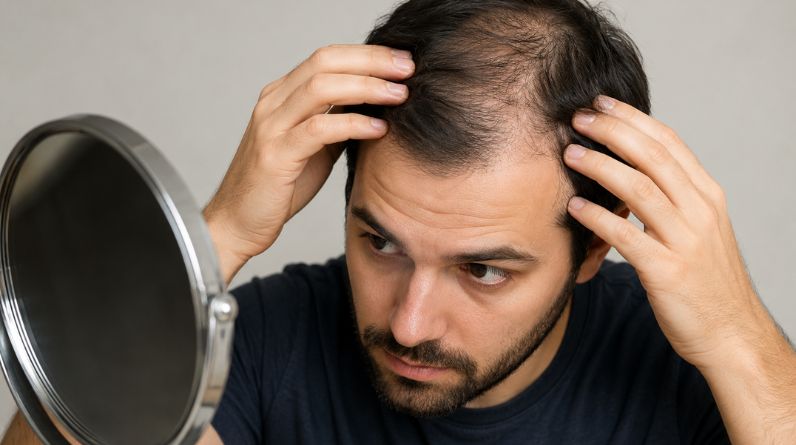
Male hair loss is most commonly caused by androgenetic alopecia, also known as male pattern baldness. This condition is influenced by genetics and hormones, particularly dihydrotestosterone (DHT), which gradually shrinks hair follicles over time. As follicles become smaller, they produce thinner and shorter hairs until they eventually stop growing visible hair.
Other factors that may contribute to hair loss include chronic stress, poor nutrition, certain medications, scalp conditions, hormonal imbalances, and medical conditions. Identifying the underlying cause is the first step toward finding the most effective treatment.
Start Treatment as Early as Possible
One of the biggest mistakes men make is waiting until significant hair loss has already occurred. Hair follicles respond much better to treatment while they are still active. Once a follicle has remained inactive for a long period, regrowing hair becomes much more difficult.
If you notice increased shedding, thinning hair, or a widening part, it’s wise to begin supporting your scalp and hair follicles sooner rather than later.
FDA-Approved Hair Loss Medications
When discussing the best treatment for male hair loss, two FDA-approved medications are often recommended.
Minoxidil is a topical treatment applied directly to the scalp. It works by increasing blood flow to hair follicles and extending the growth phase of the hair cycle. Many men notice reduced shedding after several months of consistent use.
Finasteride is an oral prescription medication that reduces DHT levels. Since DHT is one of the primary causes of male pattern baldness, lowering its effects can slow hair loss and help preserve existing hair. Some men also experience new hair growth with long-term use.
Both treatments require consistency, and results typically become noticeable after three to six months.
Natural Hair Growth Serums
Many men prefer natural topical products that nourish the scalp while supporting stronger, healthier hair. Hair growth serums often contain botanical extracts, peptides, vitamins, and moisturizing ingredients designed to improve scalp health and strengthen existing hair.
A quality serum may help:
- Reduce hair breakage
- Improve scalp hydration
- Support healthier hair follicles
- Increase the appearance of thicker hair
- Encourage healthier hair growth
While natural serums may not replace medical treatments for advanced hair loss, they can be valuable as part of a comprehensive hair care routine.
If you’re looking for a scalp-supporting solution, consider Profollica Revive Hair Growth Serum, available from Natural Health Source. It is formulated to nourish the scalp and support healthier-looking, fuller hair when used consistently alongside a healthy hair care routine.
Improve Your Nutrition
Hair follicles require a constant supply of nutrients to remain healthy. Nutritional deficiencies may contribute to excessive shedding and slower hair growth.
Focus on eating foods rich in:
- Protein
- Iron
- Zinc
- Biotin
- Vitamin D
- Vitamin E
- Omega-3 fatty acids
Lean meats, eggs, salmon, spinach, nuts, seeds, beans, and colorful vegetables provide many of these nutrients naturally.
Staying hydrated also supports healthy scalp function and overall hair quality.
Reduce Stress Levels
Chronic stress can disrupt the normal hair growth cycle and increase hair shedding. Emotional stress, illness, surgery, or major life events may trigger temporary hair loss known as telogen effluvium.
Managing stress may help support healthier hair growth over time.
Healthy stress management strategies include:
- Daily exercise
- Quality sleep
- Meditation
- Deep breathing
- Walking outdoors
- Yoga
- Limiting excessive caffeine
Reducing stress benefits not only your hair but also your overall physical and mental health.
Maintain Good Scalp Health
Healthy hair begins with a healthy scalp. Excess oil, dandruff, inflammation, and product buildup can interfere with normal follicle function.
To improve scalp health:
- Wash your hair regularly using a gentle shampoo.
- Avoid scratching your scalp.
- Massage your scalp for several minutes each day.
- Remove excess styling products.
- Keep the scalp clean without over-drying it.
A gentle scalp massage may also improve circulation, helping deliver nutrients to the hair follicles.
Avoid Damaging Hair Habits
Some daily habits unintentionally worsen hair thinning.
Try to avoid:
- Excessive heat styling
- Tight hairstyles
- Harsh chemical treatments
- Frequent bleaching
- Aggressive towel drying
- Constant pulling or twisting of hair
Treat your hair gently, especially when it is wet, since wet hair is more vulnerable to breakage.
Consider Low-Level Laser Therapy
Low-level laser therapy (LLLT) has gained popularity as a non-invasive treatment option for male hair loss. Laser caps and combs use low-energy light to stimulate hair follicles.
Some clinical studies suggest that consistent use may improve hair density and thickness, especially when combined with other treatments like Minoxidil.
Although results vary, many men appreciate this drug-free option.
Platelet-Rich Plasma (PRP)
PRP therapy uses your own blood to concentrate growth factors before injecting them into the scalp.
Some dermatologists recommend PRP for early male pattern hair loss because growth factors may help stimulate weakened follicles.
Several treatment sessions are usually required, followed by maintenance appointments every few months.
Hair Transplant Surgery
For men with advanced hair loss, hair transplantation offers one of the most permanent solutions.
Modern techniques, including follicular unit extraction (FUE), create natural-looking results by relocating healthy follicles from the back of the scalp to thinning areas.
Hair transplants involve higher costs and recovery time but can produce excellent long-term cosmetic improvements.
Build a Complete Hair Growth Routine
Rather than relying on a single product, the most effective approach often combines multiple healthy habits.
A comprehensive routine may include:
- Nutritious diet
- Regular scalp care
- Stress management
- Hair growth serum
- FDA-approved treatments when appropriate
- Gentle hair care practices
- Consistent daily use
Hair grows slowly, so patience and consistency are essential.
How Long Does Hair Treatment Take?
Many men become discouraged because results aren’t immediate.
In general:
- Reduced shedding: 2–3 months
- Early improvement: 3–6 months
- Noticeable thickening: 6–12 months
- Maximum results: around 12 months or longer
Stopping treatment too early often leads to losing the progress you’ve made.
When Should You See a Doctor?
While male pattern baldness is the most common cause of hair loss, sudden or severe shedding may indicate another medical issue.
Consult a healthcare professional if you notice:
- Rapid hair loss
- Bald patches
- Scalp pain
- Severe itching
- Redness
- Hair loss after starting a medication
- Hair loss accompanied by fatigue or unexplained weight changes
Early diagnosis may identify treatable underlying conditions.
Frequently Asked Questions
What is the best treatment for male hair loss?
The best treatment depends on the cause. Many men benefit from FDA-approved medications like Minoxidil or Finasteride, while others combine these with natural hair growth serums, improved nutrition, and healthy scalp care.
Can hair grow back after thinning?
Yes. If hair follicles are still active, consistent treatment may help improve thickness and encourage new growth.
Do natural hair growth products work?
Natural products may help support scalp health, strengthen existing hair, reduce breakage, and promote healthier hair growth. Results are typically best when combined with good nutrition and consistent hair care.
How long should I use hair loss treatments?
Most treatments require ongoing use. Hair growth is gradual, and maintaining results often depends on consistent long-term care.
Final Thoughts
If you’re wondering what is the best treatment for male hair loss, the answer is usually a combination of early action, consistent care, and evidence-based treatments. FDA-approved medications, healthy nutrition, stress reduction, proper scalp care, and quality hair growth serums can all play an important role in supporting healthier hair.
For men looking to complement their hair care routine with a nourishing topical product, Profollica Revive Hair Growth Serum offers ingredients designed to support scalp health and healthier-looking hair. Combined with patience and a healthy lifestyle, it may help you maintain fuller, stronger hair over time.