


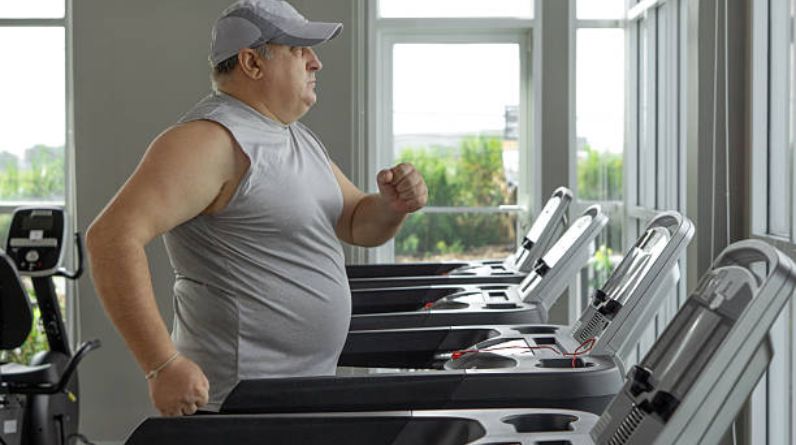
I used to think fat loss meant brutal workouts and nonstop running. Then I asked myself, is low intensity cardio better for fat loss — and the answer changed everything. Once I learned my ideal heart rate for weight loss and the best heart rate to burn fat, results finally came. In this guide, I’ll show you the best cardio for fat loss that actually works for real life.
What Is Low Intensity Cardio?
Low intensity cardio is simple movement that gets your heart working without leaving you exhausted. It’s the kind of workout you can do often and recover from fast. I like to think of it as the “easy win” for fat loss because it’s sustainable and effective.
When I first started training, I believed cardio had to hurt to work. I pushed too hard and quit too fast. Once I switched to low intensity cardio, fat loss finally became something I could stick with.
What Counts as Low Intensity Cardio?
Low intensity cardio is any activity that raises your heart rate but still feels comfortable. You should feel warm and slightly out of breath, but never drained. This is the zone where your body prefers to burn fat.
Walking is the easiest place to start. A brisk walk outside or on a treadmill works great for fat loss and joint health. I lost more fat walking daily than I ever did running.
Easy cycling is another great option. You should be able to pedal smoothly without straining. Your legs work, but your breathing stays calm.
Light jogging can count too if you keep the pace relaxed. You should be able to talk while jogging. If you’re gasping, slow down. Incline treadmill walking burns more calories without stressing your joints. It’s one of my favorite fat-burning workouts.
How Low Intensity Cardio Feels (Talk Test Method)
You should be able to talk in full sentences while doing low intensity cardio. If you can’t, you’re going too hard.
Your breathing should feel steady and controlled. You should never feel panicked or rushed.
Your heart rate should feel moderate, not pounding. You should feel it working, but not racing.
You should finish feeling better than when you started. That’s how you know you trained in the right zone.
Is Low Intensity Cardio Better for Fat Loss?
This is the question I hear all the time. I used to believe harder was always better. More sweat. More pain. More results. But once I learned how fat burning really works, my approach changed completely.
Low intensity cardio can be better for fat loss because it keeps your body in a zone where fat is the main fuel source. It’s easier to recover from, easier to repeat, and easier to stick with long term.
How Fat Burning Actually Works
Fat loss comes down to how your body uses energy. Your body burns calories from fat and carbs. The mix depends on how hard you’re working.
When you train very hard, your body uses more carbs for quick energy. When you move at a steady, moderate pace, your body prefers to burn fat.
This is why intensity matters. Going harder doesn’t always mean you burn more fat. It often just means you burn out faster.
Consistency beats intensity every time. A workout you can repeat five days a week will always beat a workout you quit after two.
Fat Burn vs Cardio Workout — What’s the Difference?
The fat burn zone is a heart rate range where your body uses a higher percentage of fat for fuel. This usually happens during low to moderate intensity cardio like walking or easy cycling.
The cardio zone is higher intensity. Your heart rate is higher and you burn more total calories, but a bigger share comes from carbs.
Both zones burn calories. But the fat burn zone is easier to sustain, easier on your joints, and easier to recover from.
My Personal Experience With Low Intensity Cardio for Fat Loss
For years, I believed fat loss meant pushing harder every week. More sweat, more pain, more exhaustion. If a workout felt easy, I thought it was useless. That mindset only led to frustration and stalled results.
I was tired all the time. My joints hurt. My motivation dropped. I was doing more work but getting less progress. That’s when I realized something had to change.
What I Tried That Didn’t Work
I went all in on HIIT workouts. Sprinting, circuits, and nonstop intensity. It worked for a short time, then my energy crashed.
I ran almost every day because I thought it was the fastest way to lose fat. Instead, my knees started hurting and my body felt beat up.
I pushed through workouts even when my body needed rest. That led to burnout, not fat loss.
What Finally Worked
I started walking every day. Just steady movement I could enjoy and repeat. Added Zone 2 cardio a few days a week. My heart rate stayed moderate and my breathing stayed calm. Combined cardio with strength training. That helped me burn fat and keep muscle. Most importantly, I built a routine I could follow long term.
My Results
Fat loss became steady instead of up and down. My recovery improved and soreness dropped. My energy stayed high all week. For the first time, I wasn’t burning out.
Ideal Heart Rate for Weight Loss (Simple Guide for Men)
If you want to burn fat, your heart rate matters. You don’t need to guess. You just need a clear target.
Training in the right zone helps your body use fat as fuel and keeps your workouts sustainable.
You can also explore natural wellness and fitness support products at Natural Health Source, a trusted source for quality health solutions.
What Is My Fat Burning Heart Rate?
Your fat burning heart rate is a range based on your age. Start with this simple formula. 220 minus your age equals your max heart rate. Your fat burning zone is 60 to 70 percent of that number.
For example, if you are 40 years old, your max heart rate is 180. Your fat burning zone is about 108 to 126 beats per minute.
Best Heart Rate to Burn Fat by Age
Here is a simple guide for most men.
Age 30
Max heart rate: 190
Fat burning zone: 114 to 133 bpm
Age 40
Max heart rate: 180
Fat burning zone: 108 to 126 bpm
Age 50
Max heart rate: 170
Fat burning zone: 102 to 119 bpm
Age 60
Max heart rate: 160
Fat burning zone: 96 to 112 bpm
Best Cardio for Fat Loss (Without Losing Muscle)
When fat loss is the goal, cardio should help you burn fat without stealing your muscle. I learned this the hard way after doing too much intense cardio and watching my strength drop. The best cardio for fat loss is the kind you can recover from and repeat week after week.
Low intensity cardio keeps your body in a fat-burning zone while protecting your joints and muscle. It works with your strength training, not against it. That balance is what makes fat loss sustainable.
If you want to speed up fat loss even more, combining cardio with smart training makes a huge difference — especially when you follow a structured plan like How to Balance Cardio and Strength for long-term results.
Best Low Intensity Options
Walking is the easiest and most underrated fat-burning workout. You can do it anywhere, every day, and recover fast. I lost more fat walking consistently than I ever did running.
Incline treadmill walking burns more calories without pounding your knees. It feels challenging but never overwhelming.
Cycling is smooth on the joints and easy to control. You can ride at a steady pace and stay in the fat-burning zone.
Rowing works your full body while keeping intensity moderate. It’s great if you want cardio and muscle engagement together.
Swimming at a relaxed pace burns fat while feeling easy on your body. It’s perfect if you deal with joint pain.
Cardio to Avoid When Cutting Fat
Too much HIIT can drain your energy and slow recovery. It’s powerful, but easy to overdo. Long-distance running can break down muscle if you don’t fuel and recover well. Fasted extreme cardio can spike stress hormones and make fat loss harder. Daily sprinting beats up your joints and nervous system fast. When cutting fat, your goal is progress, not punishment.
Low Intensity Cardio vs HIIT for Fat Loss
HIIT burns more calories in a short time, but low intensity cardio burns a higher percentage of fat during the workout. Both work, but they serve different roles.
Low intensity cardio is better for muscle because it doesn’t spike stress hormones as much. That makes recovery easier and training more consistent.
For men over 40, low intensity cardio is usually the smarter choice. It protects joints and keeps energy high.
Long term, low intensity cardio wins because you can stick with it. Consistency always beats intensity.
How to Use Low Intensity Cardio for Maximum Fat Loss
Fat loss works best with a simple plan you can follow. You don’t need extreme workouts. You need structure.
Low intensity cardio fits easily into any lifestyle. That’s what makes it powerful.
Weekly Fat Loss Cardio Plan
Walk or do low intensity cardio 3 to 5 days per week. Each session should last 30 to 45 minutes. Add strength training 2 to 4 days per week to protect muscle and boost fat loss. This combo keeps your metabolism high and your recovery strong.
Best Time to Do Fat Burning Cardio
Morning cardio can boost energy and set the tone for your day.Evening cardio helps reduce stress and improve sleep. Fasted cardio works for some men, but it’s not required. Post-workout cardio is great if you already lifted weights. The best time is the time you will stay consistent with.
Who Should Use Low Intensity Cardio?
Men over 40 who want fat loss without joint pain. Beginners who want simple, effective workouts. Overweight men who need low impact movement. Men with sore knees, hips, or back. Busy professionals who need efficient training. If you want fat loss without burnout, low intensity cardio is for you.
Conclusion
Fat loss doesn’t come from destroying your body with extreme workouts. It comes from building habits you can repeat every week. When I stopped chasing pain and started training smart, everything changed.
You don’t need fancy programs or brutal sessions. You need a simple plan you can follow even on busy days. Low intensity cardio works because it fits into real life. Walk more. Move daily. Train smart. Stay consistent.


