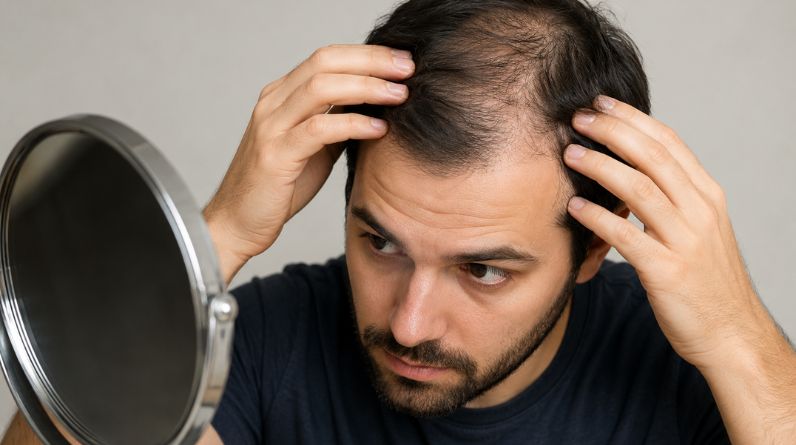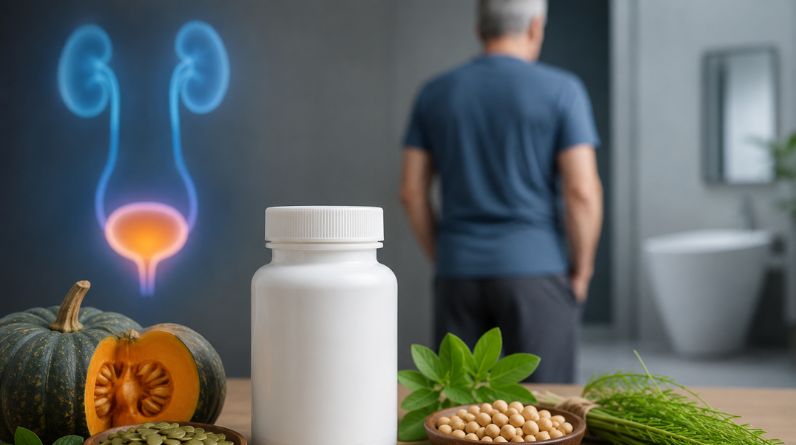
Learning how to check male fertility at home can help men understand their reproductive health early without visiting a clinic right away. Many couples start looking into fertility after months of trying to conceive, and home testing offers a private and convenient first step. Modern home fertility kits can measure sperm count and sometimes sperm movement within minutes.
Male fertility depends on sperm quality, hormone balance, lifestyle habits, and overall health. Factors like stress, smoking, poor sleep, obesity, and unhealthy eating may all affect fertility over time. Understanding how to check male fertility at home may help identify possible issues earlier and encourage healthier daily habits before seeking professional medical advice.
What Male Fertility Really Means
Male fertility refers to the ability to produce healthy sperm capable of fertilizing an egg. Fertility is not only about sperm quantity. Sperm quality, shape, and movement also play a major role in conception success. A man may feel healthy physically while still experiencing hidden fertility challenges.
Stress, poor sleep, smoking, alcohol, obesity, overheating, and nutritional deficiencies may all affect sperm health over time. Age can also influence fertility, even though men remain fertile longer than women in many cases. Understanding these factors helps create a more complete picture of reproductive health.
Signs That May Suggest Fertility Problems
Some men notice physical signs that could point toward fertility concerns. Others may experience no symptoms at all. Difficulty conceiving after one year of regular unprotected sex remains one of the most common warning signs for couples.
Possible signs may include low sex drive, erectile problems, pain or swelling near the testicles, reduced facial hair growth, fatigue, or hormone-related changes. Frequent overheating from hot tubs, tight underwear, or laptop use near the groin area may also affect sperm production gradually.
How To Check Male Fertility At Home With A Sperm Test Kit
A home sperm test kit remains one of the easiest ways to check fertility privately. These kits usually measure sperm concentration or sperm count using a small semen sample collected at home. Most kits provide results within minutes.
Many modern fertility kits connect to smartphone apps or small testing devices. Some advanced kits may also analyze sperm movement and motility. Reading the instructions carefully helps improve accuracy because improper collection methods may affect the final result.
What Home Fertility Tests Can Detect
Most at-home fertility tests focus mainly on sperm count. A healthy sperm count increases the chances of successful conception. Low sperm count may suggest fertility problems, although pregnancy can still happen naturally in some situations.
Some newer testing systems also examine sperm motility, which refers to how well sperm move toward the egg. Healthy movement is extremely important because sperm must travel effectively through the reproductive system. A few premium kits may even provide information about sperm concentration levels and semen quality.
What Home Fertility Tests Cannot Fully Measure
Home fertility tests can be useful, but they do not provide a complete fertility diagnosis. Many kits cannot accurately evaluate sperm shape, DNA quality, infection risk, or hormone levels. Fertility involves much more than sperm count alone.
Medical clinics use advanced laboratory analysis to study sperm under a microscope. Lab testing often checks sperm morphology, white blood cells, semen volume, and overall reproductive function. Home testing works best as an early screening tool rather than a full replacement for professional evaluation.
How To Prepare For An Accurate Home Fertility Test
Proper preparation improves the accuracy of home fertility testing. Most experts recommend avoiding ejaculation for two to five days before collecting a sample. This waiting period may help produce a more reliable sperm concentration result.
Alcohol, smoking, lack of sleep, illness, and certain medications may temporarily affect sperm quality. Staying hydrated and avoiding overheating before testing may also help support more consistent results. Reading the kit instructions fully before starting reduces mistakes during sample collection.
Step By Step Process For Using A Home Fertility Kit
The process usually begins by collecting semen in a sterile container provided with the kit. The sample may need to sit briefly before testing because semen naturally changes consistency after ejaculation. Timing matters carefully during this stage.
Most kits require placing a small amount of semen onto a testing strip or into a testing chamber. Results may appear as color changes, lines, or smartphone-generated analysis depending on the product. Following exact timing instructions remains important for proper interpretation.
Understanding Home Fertility Test Results
Normal test results usually indicate sperm levels within a healthy range. This can provide reassurance, although it does not guarantee fertility completely. Many other reproductive factors still affect conception success.
Low results may suggest reduced sperm count or possible fertility concerns. Temporary lifestyle factors sometimes influence results, so repeated testing after several weeks may provide better insight. Persistently abnormal results may justify professional medical evaluation for deeper investigation.
Lifestyle Habits That Affect Male Fertility
Lifestyle choices strongly influence sperm health over time. Smoking cigarettes may damage sperm quality and reduce motility. Heavy alcohol consumption may disrupt hormone production and testosterone balance. Poor diet habits may also reduce nutrient levels important for sperm development.
Obesity may contribute to lower testosterone and increased inflammation in the body. Long-term stress may raise cortisol levels, which sometimes interfere with reproductive hormones. Improving sleep, nutrition, exercise, and hydration often supports better overall fertility health naturally. Many men also search for ways to improve reproductive health naturally, especially after learning more about How To Improve Male Fertility Naturally.
Best Foods To Support Male Fertility Naturally
Nutrient-rich foods may help support healthy sperm production. Zinc, selenium, vitamin C, vitamin D, folate, and omega-3 fatty acids all play important roles in reproductive health. Many fertility-focused diets emphasize whole foods instead of processed meals.
Leafy greens, eggs, nuts, fish, berries, citrus fruits, pumpkin seeds, and lean protein sources often appear in fertility-friendly meal plans. Antioxidant-rich foods may help protect sperm cells from oxidative stress caused by inflammation and environmental toxins.
Can Testosterone Levels Affect Fertility?
Hormone balance plays a major role in male reproductive health. Low testosterone may sometimes reduce sperm production, energy levels, and libido. However, excessively high testosterone from anabolic steroids or certain supplements may also lower sperm count unexpectedly.
Many men assume testosterone boosters automatically improve fertility, but this is not always true. Hormone balance requires careful management because reproductive hormones work together closely inside the body. Severe hormonal imbalances may require medical treatment rather than self-diagnosis alone.
When To See A Fertility Specialist
Home testing can provide useful information, but professional help may become important in certain situations. Couples who struggle to conceive after one year often benefit from medical fertility evaluation. Men over age 35 or those with previous reproductive issues may consider earlier testing.
Pain, swelling, erectile dysfunction, major hormone symptoms, or extremely low home test results should not be ignored. Fertility specialists can perform detailed semen analysis, hormone testing, ultrasound imaging, and advanced reproductive evaluations to identify underlying problems more accurately. Some men also explore natural fertility support supplements like Fertility Factor 5 to help support reproductive health and sperm quality naturally.
Emotional Stress And Male Fertility
Fertility concerns may create emotional stress for many men. Anxiety, frustration, and embarrassment sometimes prevent open conversations about reproductive health. Mental stress may even influence hormone balance and sexual performance over time.
Open communication between partners often reduces pressure during the fertility journey. Many couples benefit from focusing on overall health improvements together instead of treating fertility as a personal failure. Better emotional support may improve confidence and reduce long-term stress levels naturally.
Final Thoughts
Understanding how to check male fertility at home gives men a simple starting point for learning more about reproductive health. Home fertility kits offer convenience, privacy, and fast insight into sperm health without needing immediate clinic visits. These tests may help identify possible issues earlier and encourage healthier lifestyle habits.
Although home tests can be helpful, they cannot replace full medical evaluation completely. Fertility depends on many factors beyond sperm count alone. Combining healthy daily habits with proper medical guidance often creates the best long-term approach for improving male reproductive health naturally.