


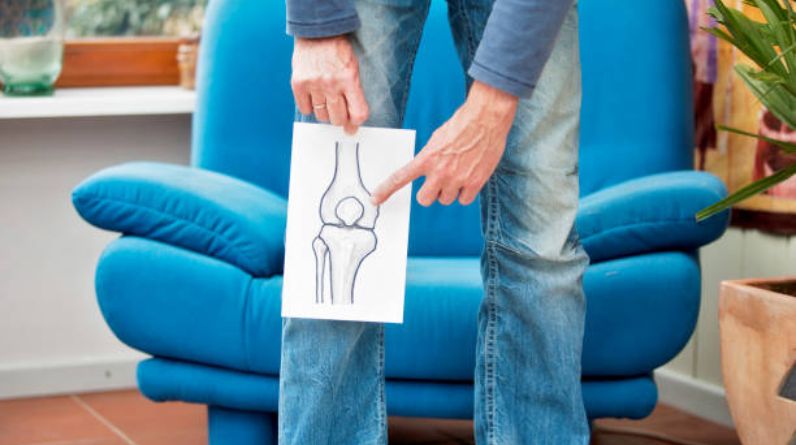
How to reduce bone loss is a common concern for people who want to stay strong, active, and healthy as they age. Bone loss can happen slowly because of poor nutrition, low physical activity, hormonal changes, and unhealthy lifestyle habits. The good news is that simple daily changes like eating calcium-rich foods, exercising regularly, improving vitamin D levels, and avoiding harmful habits can help protect bone strength naturally and lower the risk of weak bones and fractures over time.
Why Bone Loss Happens
Bones constantly rebuild themselves throughout life. New bone tissue forms while old tissue breaks down. As people age, this process becomes slower, and the body may lose more bone than it creates. Hormonal changes, poor diet, inactivity, smoking, stress, and vitamin deficiencies can all speed up bone loss.
Bone density naturally starts to decline with age, especially after 30. Low calcium intake, lack of vitamin D, and sitting for long periods can make the problem worse. Some people also experience faster bone loss because of certain medications or medical conditions.
Early Signs Of Bone Loss
Bone loss often develops quietly. Many people do not notice symptoms at first. However, the body sometimes gives small warning signs before serious problems appear.
Common signs may include:
- Frequent back pain
- Weak grip strength
- Loss of height over time
- Poor posture
- Brittle nails
- Increased risk of fractures
- Joint stiffness
Paying attention to these early signs can help prevent bigger health issues later.
Eat More Calcium Rich Foods
Calcium is one of the most important nutrients for strong bones. The body uses calcium to maintain bone structure and support overall strength. If calcium intake stays too low, the body may pull calcium from bones to keep other systems working properly.
Good calcium-rich foods include:
- Milk
- Yogurt
- Cheese
- Sardines
- Almonds
- Kale
- Broccoli
- Tofu
Adding calcium-rich foods to daily meals can support bone density naturally. Many people find it easier to spread calcium intake throughout the day instead of eating large amounts at once.
Increase Vitamin D Intake
Vitamin D helps the body absorb calcium properly. Without enough vitamin D, even a healthy diet may not fully support bone health. Sunlight is one of the best natural sources of vitamin D, but many people do not get enough daily exposure.
Foods that contain vitamin D include fatty fish, egg yolks, and fortified dairy products. Some people may also benefit from supplements after speaking with a healthcare professional.
Spending time outdoors in moderate sunlight can support healthier vitamin D levels and improve overall wellness.
Strength Training Helps Protect Bones
Exercise is one of the best ways to reduce bone loss naturally. Weight-bearing and resistance exercises encourage the body to build stronger bones. Physical activity also improves balance, flexibility, and muscle strength, which lowers the risk of falls and fractures.
Helpful exercises include:
- Walking
- Light jogging
- Resistance band workouts
- Bodyweight exercises
- Weight lifting
- Stair climbing
Consistency matters more than intensity. Even moderate activity done several times each week can improve bone strength over time.
Protein Supports Bone Health
Many people focus only on calcium, but protein also plays an important role in bone health. Bones contain protein structures that help maintain strength and flexibility. Low protein intake may weaken bones and muscles.
Healthy protein sources include:
- Chicken
- Fish
- Eggs
- Greek yogurt
- Lentils
- Beans
- Nuts
Balanced meals with enough protein can support stronger bones and better overall health.
Reduce Sugary And Processed Foods
Highly processed foods and sugary drinks may negatively affect bone health when consumed too often. Some processed foods contain large amounts of sodium, which may increase calcium loss through urine.
Soft drinks may also affect mineral balance in the body. Replacing sugary beverages with water, milk, or healthier alternatives can support stronger bones over time.
Focusing on whole foods, vegetables, fruits, and lean proteins creates a healthier foundation for long-term wellness.
Avoid Smoking And Excess Alcohol
Smoking has been linked to lower bone density and slower bone healing. Harmful chemicals in cigarettes can interfere with the body’s ability to rebuild healthy bone tissue.
Excess alcohol consumption may also weaken bones and increase the risk of fractures. Heavy drinking can affect calcium absorption, hormone levels, and balance.
Reducing smoking and limiting alcohol intake may help protect bone health and improve overall quality of life.
Sleep And Stress Affect Bone Health
Poor sleep and long-term stress may contribute to weaker bones. Chronic stress increases cortisol levels, which can negatively impact bone formation over time.
Lack of sleep may also affect hormone balance and recovery. Building healthier sleep habits can support bone health naturally.
Helpful habits include:
- Maintaining a regular sleep schedule
- Reducing screen time before bed
- Managing stress through relaxation
- Staying physically active
- Limiting caffeine late in the day
Small lifestyle improvements often create long-term benefits for overall health.
Maintain A Healthy Body Weight
Being underweight can increase the risk of bone loss because the body may not get enough nutrients to maintain strong bones. On the other hand, excessive body weight may increase pressure on joints and reduce mobility.
Maintaining a balanced body weight through healthy eating and regular activity supports both bone and muscle health.
Crash diets and extreme calorie restriction should generally be avoided because they may reduce important nutrient intake.
Magnesium And Vitamin K Matter Too
Calcium and vitamin D get most of the attention, but other nutrients also support bone strength. Magnesium helps the body use calcium properly, while vitamin K supports bone mineralization.
Foods rich in magnesium include nuts, seeds, spinach, and whole grains. Vitamin K can be found in leafy green vegetables like kale and spinach.
A balanced diet with a variety of nutrients gives the body better support for maintaining strong bones naturally.
Stay Active As You Age
Many people become less active with age, but movement remains extremely important for protecting bones. Sitting too much can weaken both muscles and bones over time.
Simple daily movement can make a big difference. Walking, stretching, gardening, and light home workouts help improve mobility and circulation.
Staying active also supports independence and confidence later in life.
Regular Health Checkups Can Help
Bone density tests may help identify problems before fractures happen. People with a family history of osteoporosis or other risk factors may benefit from regular screenings.
Healthcare professionals can recommend personalized strategies based on age, lifestyle, and overall health. Early action often works better than trying to reverse severe bone loss later.
Natural Support For Healthy Aging
Some people look for additional nutritional support to maintain strength and wellness as they age. Products designed for bone and joint health may help support healthy lifestyles when combined with proper nutrition and exercise.
You can also explore natural wellness support options through Natural Health Source for healthy aging and overall wellness support.
Improving daily movement can also help protect long-term strength. Reading about Best Exercises For Hormone Health may provide additional healthy lifestyle ideas.
Conclusion
Understanding how to reduce bone loss starts with simple daily habits. Healthy eating, strength training, quality sleep, stress management, and proper nutrients all work together to support stronger bones. Small consistent changes often create the biggest long-term improvements.
Protecting bone health early can improve mobility, reduce injury risk, and support a healthier, more active life for years to come.


