Your immune system works around the clock to defend your body against viruses, bacteria, and other harmful invaders. While no single food or supplement can guarantee that you won’t get sick, making healthy lifestyle choices can strengthen your body’s natural defenses. If you’ve been wondering how to improve immune system naturally, the good news is that simple daily habits can make a significant difference over time.
This guide explains practical, science-backed strategies to support a healthy immune system naturally while improving your overall well-being.
Eat a Nutrient-Dense Diet
The foods you eat provide the vitamins, minerals, and antioxidants your immune system needs to function properly. A balanced diet rich in whole foods helps your body produce immune cells and reduce inflammation.
Focus on including plenty of colorful fruits and vegetables every day. Citrus fruits provide vitamin C, carrots and sweet potatoes offer vitamin A, leafy greens contain folate, and berries deliver powerful antioxidants. Whole grains, legumes, nuts, seeds, and lean proteins also contribute essential nutrients that support immune health.
Healthy fats from olive oil, avocados, walnuts, and fatty fish like salmon provide omega-3 fatty acids, which may help regulate inflammation and support normal immune function.
Prioritize Quality Sleep
Sleep is one of the most important factors for maintaining a strong immune system. During sleep, your body repairs tissues, produces protective proteins, and strengthens immune responses.
Adults should aim for seven to nine hours of quality sleep each night. Establishing a consistent bedtime routine, limiting screen time before bed, and keeping your bedroom cool and dark can improve sleep quality.
Poor sleep over time can weaken your immune defenses and make it harder for your body to respond effectively to infections.
Stay Physically Active
Regular exercise supports circulation, reduces inflammation, and helps immune cells move efficiently throughout the body.
You don’t need intense workouts every day. Moderate activities such as brisk walking, cycling, swimming, or strength training for at least 150 minutes per week can provide significant health benefits.
Exercise also supports heart health, weight management, and mental well-being, all of which contribute to better immune function.
Manage Daily Stress
Chronic stress can negatively affect the immune system by increasing stress hormones such as cortisol. Long-term elevated cortisol levels may reduce your body’s ability to fight illness effectively.
Healthy stress management techniques include meditation, deep breathing exercises, prayer, journaling, spending time outdoors, and connecting with family and friends.
Even taking a short walk or practicing mindfulness for ten minutes each day can help lower stress levels.
Stay Properly Hydrated
Water supports nearly every function in your body, including the immune system. Proper hydration helps transport nutrients, remove waste products, and maintain healthy tissues.
Most adults benefit from drinking water consistently throughout the day rather than waiting until they feel thirsty. Fruits, vegetables, soups, and herbal teas can also contribute to daily fluid intake.
If you exercise frequently or spend time in hot weather, you may need additional fluids.
Get Enough Vitamin D
Vitamin D plays an important role in regulating immune responses. Many people have lower vitamin D levels, particularly during winter or if they spend little time outdoors.
Safe sunlight exposure may help your body produce vitamin D naturally. Foods such as salmon, sardines, egg yolks, and fortified dairy products also provide vitamin D.
If you’re concerned about your vitamin D status, speak with your healthcare provider about testing and whether supplementation may be appropriate.
Include Immune-Friendly Nutrients
Several nutrients work together to support immune health.
Vitamin C helps protect cells from oxidative stress and supports the production of immune cells. Zinc contributes to normal immune function and wound healing. Selenium supports antioxidant defenses, while vitamin E helps protect healthy cells from damage.
These nutrients can be found naturally in foods such as citrus fruits, nuts, seeds, seafood, beans, spinach, eggs, and lean meats.
A varied, balanced diet is generally the best way to obtain these nutrients.
Support Gut Health
A large portion of the immune system is connected to the digestive tract. Maintaining a healthy gut microbiome may support normal immune function.
Include fiber-rich foods such as vegetables, fruits, oats, beans, and whole grains to nourish beneficial gut bacteria.
Fermented foods including yogurt with live cultures, kefir, kimchi, sauerkraut, and miso may also help support a healthy balance of gut microorganisms.
Limiting highly processed foods and excessive added sugars may further benefit gut health.
Avoid Smoking and Limit Alcohol
Smoking damages immune cells and increases inflammation throughout the body. Quitting smoking provides immediate and long-term health benefits.
Excessive alcohol consumption may also impair immune responses and reduce the body’s ability to fight infections. Drinking alcohol in moderation, or avoiding it altogether, supports overall wellness.
Making these lifestyle changes can positively impact many aspects of your health beyond immunity.
Maintain a Healthy Weight
Being overweight or underweight may affect immune function. Maintaining a healthy body weight through balanced nutrition and regular physical activity helps support the body’s natural defenses.
Rather than following restrictive diets, focus on sustainable eating habits that include a variety of nutrient-rich foods.
Small lifestyle improvements practiced consistently often produce better long-term results than short-term diets.
Spend Time Outdoors
Fresh air, sunlight, and physical activity all contribute to better overall health.
Walking in nature may reduce stress, improve mood, and encourage movement while providing natural sunlight that supports vitamin D production.
Even spending twenty to thirty minutes outdoors most days can benefit both physical and mental health.
Consider Natural Immune Support Supplements
Although a healthy lifestyle should always come first, some people choose supplements to help fill nutritional gaps.
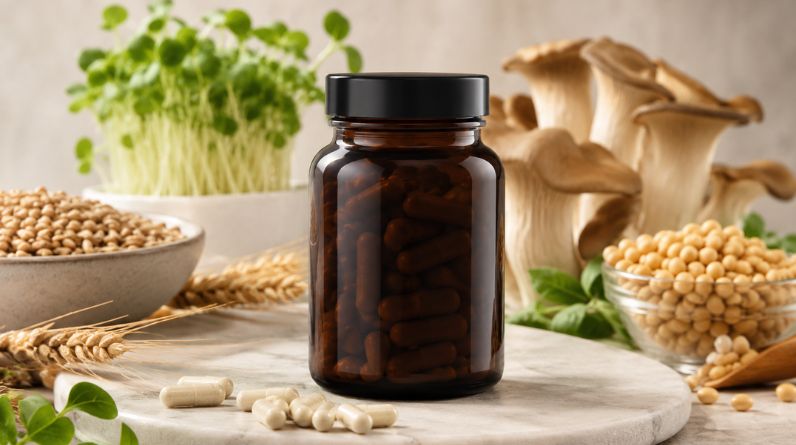
If you’re looking for additional nutritional support alongside a balanced diet, you may consider immune-support formulas designed to provide vitamins, minerals, antioxidants, and herbal ingredients that complement healthy daily habits.
Supplements should never replace nutritious food, regular exercise, quality sleep, or medical advice.
Practice Good Hygiene
Simple hygiene habits remain one of the easiest ways to reduce exposure to harmful germs.
Wash your hands regularly with soap and water, especially before eating and after using public spaces. Keep commonly touched surfaces clean, avoid touching your face with unwashed hands, and stay home when you’re feeling unwell to help protect others.
These everyday practices work together with your immune system to reduce illness.
Build Healthy Habits That Last
Improving your immune system naturally isn’t about finding one miracle solution. It’s about consistently making choices that support your body’s natural defenses every day.
Eating nutritious foods, exercising regularly, sleeping well, managing stress, staying hydrated, and maintaining healthy relationships all contribute to stronger overall health.
The more consistent you are with these habits, the more likely your immune system will function at its best over the long term.
Final Thoughts
Learning how to improve immune system naturally begins with taking care of your entire body. There is no quick fix, but healthy lifestyle habits can strengthen your immune defenses and improve your quality of life.
Focus on balanced nutrition, regular exercise, adequate sleep, stress management, hydration, and healthy daily routines. Combined with appropriate medical care when needed, these habits provide a strong foundation for lifelong wellness and resilience.