


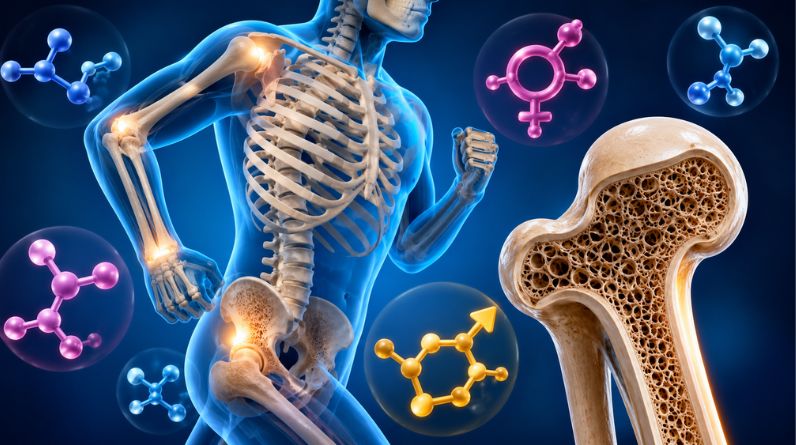
Bone growth is something many people associate with childhood and teenage years. However, the process of building and maintaining strong bones continues throughout life. One of the biggest factors behind healthy bone development is hormones. If you have ever wondered what effects do hormones have on bone growth, the answer is significant. Hormones control how bones grow, repair themselves, and stay strong as you age.
When hormone levels become unbalanced, bone health can suffer. This may lead to weaker bones, slower growth, or a higher risk of fractures. Understanding the connection between hormones and bone growth can help you make better choices for your long-term health.
Why Hormones Matter For Bone Growth
Bones are living tissues that constantly change. Old bone cells break down while new bone cells form. Hormones help regulate this process and keep bone development balanced.
During childhood and adolescence, hormones stimulate rapid bone growth. In adulthood, they help maintain bone density and strength. Without proper hormonal support, bones may not reach their full potential or remain healthy over time.
Hormones act like messengers throughout the body. They tell bone cells when to grow, when to rebuild, and how much calcium to absorb. Because of this, even small hormonal changes can have a major impact on bone health.
Growth Hormone And Bone Development
Growth hormone is one of the most important hormones involved in bone growth. It is produced by the pituitary gland and plays a critical role during childhood and adolescence.
This hormone stimulates the growth plates found at the ends of long bones. These growth plates allow bones to lengthen and increase in size. As a result, growth hormone helps determine overall height and skeletal development.
Children with low levels of growth hormone often experience delayed growth and shorter stature. On the other hand, healthy growth hormone levels support normal bone development and stronger bones.
Even in adults, growth hormone continues to help maintain bone density and repair damaged bone tissue.
Testosterone And Bone Strength
Testosterone is often known for its role in male health, muscle development, and sexual function. However, it is also essential for strong bones.
During puberty, testosterone helps increase bone size, thickness, and density. This is one reason why men generally develop larger and denser bones than women.
As men age, testosterone levels naturally decline. Lower testosterone levels can contribute to reduced bone density and an increased risk of osteoporosis.
Many men do not realize that low testosterone may affect their bones long before symptoms become obvious. Maintaining healthy hormone levels can help protect bone strength throughout life.
Estrogen’s Role In Bone Growth
Although estrogen is commonly associated with women, it plays an important role in both men and women.
Estrogen helps regulate bone remodeling by slowing the breakdown of bone tissue. This allows bones to remain strong and dense.
In girls, estrogen supports normal bone growth during puberty. It also helps close growth plates when skeletal development is complete.
Women often experience a rapid decline in estrogen levels during menopause. This hormonal shift can accelerate bone loss and increase the risk of fractures.
Men also produce small amounts of estrogen, and research shows that estrogen contributes significantly to maintaining healthy bones in males as well. Men looking to support natural growth hormone levels may benefit from HyperGH 14X HGH Releaser as part of a healthy lifestyle focused on bone strength and overall vitality.
Thyroid Hormones And Bone Health
The thyroid gland produces hormones that regulate metabolism and influence many body functions, including bone growth.
Proper thyroid hormone levels help support normal bone formation and development. However, too much thyroid hormone can speed up bone turnover.
When bone breakdown occurs faster than bone formation, bone density may decrease over time. This can increase the likelihood of osteoporosis and fractures.
People with untreated thyroid disorders often experience changes in bone health. Managing thyroid function is important for maintaining a healthy skeletal system.
Cortisol And Bone Loss
Cortisol is commonly known as the stress hormone. It helps the body respond to physical and emotional stress.
While cortisol is necessary for survival, chronically elevated levels can negatively affect bone growth and maintenance.
High cortisol levels may reduce the activity of bone-building cells. At the same time, cortisol can increase bone breakdown and reduce calcium absorption.
Long-term stress, certain medications, and medical conditions can cause cortisol levels to remain elevated for extended periods.
This is one reason why chronic stress may contribute to weaker bones over time. If you struggle with low energy after waking up, read How To Increase Cortisol In The Morning to learn natural ways to support healthy hormone balance and improve daily vitality.
Insulin And Bone Formation
Most people think of insulin as a hormone that controls blood sugar. However, insulin also plays a role in bone health.
Insulin helps stimulate bone-forming cells called osteoblasts. These cells are responsible for creating new bone tissue.
Healthy insulin function supports normal bone growth and maintenance. Individuals with insulin resistance or poorly controlled diabetes may face challenges related to bone strength and healing.
Researchers continue to study the complex relationship between insulin and skeletal health, but it is clear that balanced blood sugar contributes to healthier bones.
Parathyroid Hormone And Calcium Regulation
Parathyroid hormone is another key player in bone growth. It helps regulate calcium levels in the bloodstream.
Calcium is one of the primary minerals found in bones. When blood calcium levels drop, parathyroid hormone signals the body to release calcium from bones.
This process is necessary for normal body function. However, excessive parathyroid hormone activity can lead to bone loss over time.
Balanced calcium intake and proper hormonal regulation help ensure that bones remain strong and healthy.
Hormonal Changes During Puberty
Puberty is one of the most important periods for bone growth. During this stage, hormone levels rise dramatically.
Growth hormone, testosterone, and estrogen work together to increase bone length, density, and overall skeletal size.
This period allows young people to build much of the bone mass they will rely on throughout adulthood.
Healthy nutrition, physical activity, and hormonal balance during puberty can have lasting effects on bone health later in life.
How Aging Affects Hormones And Bones
As people get older, hormone production naturally changes.
Men typically experience a gradual decline in testosterone levels. Women experience a more significant drop in estrogen during menopause.
These hormonal shifts can accelerate bone loss and increase the risk of osteoporosis.
Bone density often peaks during early adulthood and slowly decreases with age. Maintaining healthy hormone levels, staying active, and consuming adequate nutrients can help reduce this decline.
The earlier you focus on bone health, the better your chances of preserving strong bones later in life.
Signs Hormones May Be Affecting Bone Health
Hormonal imbalances do not always cause obvious symptoms. However, certain signs may indicate hormone-related bone issues.
Frequent fractures, loss of height, poor posture, chronic fatigue, reduced muscle mass, and unexplained bone pain may all be warning signs.
Men with low testosterone may notice reduced energy, lower libido, and decreased strength. Women experiencing estrogen decline may notice symptoms associated with menopause.
If you suspect a hormonal imbalance, discussing your concerns with a healthcare professional may help identify potential issues before significant bone loss occurs.
Supporting Healthy Hormones And Strong Bones
While aging cannot be stopped, several lifestyle habits can support both hormone balance and bone health.
Regular strength training exercises help stimulate bone formation and support hormone production. Weight-bearing activities such as walking, jogging, and resistance training are especially beneficial.
A balanced diet rich in calcium, vitamin D, magnesium, and protein supports healthy bones. Getting enough sleep is also important because many hormones are produced and regulated during rest.
Managing stress can help control cortisol levels and reduce unnecessary strain on the body.
Avoiding smoking and limiting excessive alcohol consumption may further protect bone health as you age.
Conclusion
Understanding what effects do hormones have on bone growth helps explain why hormones are so important throughout life. Growth hormone, testosterone, estrogen, thyroid hormones, cortisol, insulin, and parathyroid hormone all contribute to bone development and maintenance.
When hormone levels remain balanced, bones have the support they need to grow, repair, and stay strong. When hormones become disrupted, bone health can suffer.
Taking care of your hormonal health through proper nutrition, exercise, stress management, and regular medical checkups can help support stronger bones for years to come. Healthy hormones and healthy bones often go hand in hand, making both essential parts of long-term wellness.


