


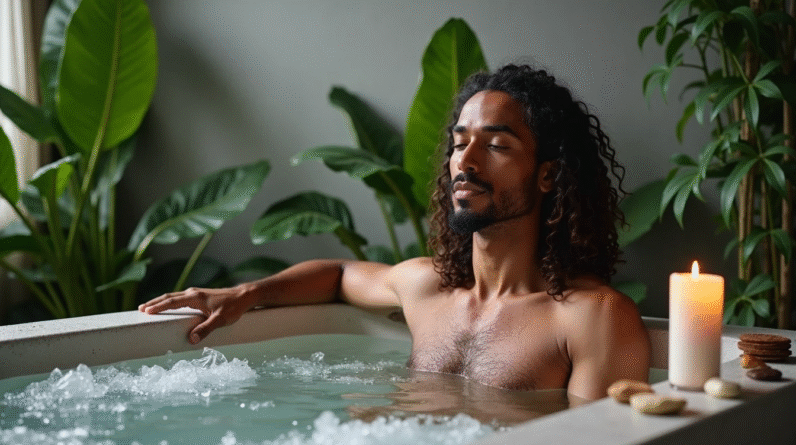
Cold showers, saunas, and ice baths are everywhere these days. Social media is full of guys swapping stories about icy plunges, red faces post-sauna, and the “rush” that follows. But are these wellness rituals real paths to better health, more energy, and a longer life—or just the latest trend?
Plenty of men want simple habits that actually work. This post cuts through hype and hits the basics. Get the facts, find out what’s worth your time, and see how these practices might fit into your daily life.
The Science Behind Cold Exposure and Heat Therapy
There’s more to cold showers, ice baths, and sweaty saunas than simple shock value. These rituals trigger specific reactions in your body that go far beyond willpower or grit. By understanding the basic science behind cold and heat exposure, it’s easier to see why they keep showing up in health routines—and why some folks swear by them.
How Cold Showers and Ice Baths Affect the Body
Stepping into cold water instantly wakes up your body. The shock you feel is only the beginning; underneath, there’s a flurry of changes happening:
- Vasoconstriction: Cold water causes your blood vessels to tighten. This process, called vasoconstriction, helps redirect blood from your skin and limbs toward your core. Picture your body’s version of “huddle up for warmth.” This helps protect your vital organs and can even reduce swelling in sore muscles.
- Endorphin Release: Cold exposure triggers a release of endorphins, those natural feel-good chemicals. This is why many people feel a rush or even a sense of euphoria after a cold shower or ice bath.
- Boosted Metabolism: When your body tries to warm itself back up, your metabolism revs up and you burn more calories than usual, at least for a short time. This process, known as thermogenesis, is like your body stoking its internal furnace.
- Reduced Inflammation: Cold immersion works much like an ice pack on a sore knee. By cooling down tissues, it can limit inflammation and help muscles recover faster after a tough workout.
- Muscle Recovery: Athletes often use ice baths to help bounce back after hard training. Cold therapy can reduce muscle soreness and shorten downtime.
- Strengthened Immune Response: Regular cold exposure may prime your immune system. Some studies suggest it can increase white blood cell counts and help your body fend off illness, though it’s not a magic cure.
All of these responses mean that cold showers and ice baths aren’t just about toughness. They let your body practice handling physical stress in a controlled way. Over time, this can make you more resilient—both mentally and physically.
Saunas and Heat Therapy: What Happens Internally?
Saunas take you to the opposite extreme, but the science is just as fascinating. High heat does more than make you sweat; here’s what’s really happening inside:
- Improved Circulation: Heat causes blood vessels to widen (vasodilation), which means better blood flow. More blood to your skin and muscles brings nutrients and helps your body clear out waste products quicker.
- Heat Shock Proteins: Saunas cause your body to make special proteins called heat shock proteins. These help repair damaged cells and protect against stress, a bit like an internal cleanup crew.
- Cardiovascular Benefits: Sitting in a sauna raises your heart rate, kind of like a gentle workout. Over time, this can help strengthen your heart and lower your risk of high blood pressure.
- Detoxification: Sweating in a sauna helps your body flush out some toxins, including heavy metals and certain chemicals. While your kidneys and liver do most of the heavy lifting, sweating adds a little boost.
- Eased Joint and Muscle Pain: The warmth from saunas can relax tight muscles and soothe stiff joints, helping ease post-workout aches or chronic pain.
Saunas and heat therapy offer more than relaxation. They challenge your body in a different way, boosting heart health, helping repair cells, and supporting natural detox. Whether you prefer an icy plunge or a sweaty session, these methods unlock powerful responses beneath the surface.
Potential Health and Longevity Benefits
Cold showers, ice baths, and saunas promise more than just a jolt of energy or a good sweat. Many men reach for these practices hoping for less soreness, sharper focus, and even a stronger immune system. So what does the research say about their real-world benefits for health and aging? Here’s a look at the biggest potential perks backed by science.
Physical Performance and Muscle Recovery
Many men jump into ice baths or fire up the sauna after tough workouts. It isn’t just a feel-good ritual—there’s research behind it.
- Reduced Muscle Soreness: Studies show cold water immersion can cut post-exercise muscle soreness by up to 20 to 50 percent. For guys hitting the gym or the trails, a cool plunge may mean bouncing back faster for tomorrow’s workout.
- Faster Recovery: Sauna sessions and cold showers both help flush out metabolic waste and decrease swelling. The process helps your muscles repair and adapt after intense training.
- Muscle Adaptation: Alternating heat and cold, sometimes called contrast therapy, may support muscle growth and reduce the risk of overuse injuries. This approach helps the body handle more training by improving blood flow and muscle resilience.
- Men’s Performance: The effects can be slightly different for men. Testosterone and other male hormones influence how men respond to heat and cold. Some early studies suggest cold therapy after exercise could limit big muscle gains if used too often, but it’s great when used with purpose—like speeding up recovery during a packed training week.
For everyday athletes and weekend warriors, the benefits are clear: cold and heat routines can make staying active less of a pain, literally.
Mental Health, Mood, and Stress Reduction
Cold and heat exposure don’t just help the body—they impact the mind too. Maybe you’ve heard it builds “mental toughness.” There’s more under the surface.
- Brain Chemistry Boost: Both ice baths and saunas prompt your brain to release endorphins, dopamine, and even norepinephrine. These chemicals help lower anxiety and improve your outlook, making you feel sharper and more upbeat.
- Stress and Resilience: Regular heat exposure, such as sauna use, is linked to lower self-reported stress and better sleep. Cold showers can create a sort of “controlled stress” that, over time, seems to help guys handle daily hassles with more grit.
- Anxiety and Depression: Several small studies and anecdotal reports highlight cold therapy as a tool for lowering symptoms of anxiety and depression. The science is early but growing, especially in men who pair these routines with other healthy habits.
- Clearer Thinking: Saunas may protect against cognitive decline over time, possibly by improving blood flow to the brain or reducing inflammation. Regular sauna use (around 4 sessions a week) has even been linked in some studies to a lower risk of dementia and Alzheimer’s in men.
You don’t have to sit in an icy bath every day to feel the mental perks. Even adding a few cold showers or sauna visits each week can help you reset after long days.
Immune System and Disease Prevention
Staying healthy long-term is the real prize for most men. So can these simple routines keep you from getting sick—or even help you live longer?
- Sharper Immune Response: Repeated cold exposure, such as regular cold showers or ice baths, has been shown to ramp up your body’s production of white blood cells. These are your “front line” against bugs and viruses.
- Saunas and Longevity: Large studies from Finland show that men who use saunas several times a week report fewer colds, less pneumonia, and even lower overall death rates. The effect seems strongest in men who hit the sauna most often and for longer sessions.
- Fewer Sick Days: Some research suggests that people who finish their showers with cold water miss fewer days from work due to illness. It’s not a fail-safe, but regular practice could boost your odds against the office flu season.
- Chronic Disease: Saunas may lower the risk of heart disease, stroke, and high blood pressure. Regular heat therapy improves blood vessel flexibility, reduces inflammation, and helps your heart work better under stress.
While none of these rituals is a cure-all, both cold and heat seem to “train” your immune system much like a good workout shapes your muscles. Consistency is key—a few minutes most days can add up over time.
Risks, Contraindications and Common Misconceptions
Chilling down in an ice bath or sweating it out in a sauna can feel like shortcuts to better health, but not everyone should jump in. Men with certain health issues need to think twice before trying these trends. There’s also plenty of misinformation floating around. Let’s clear the air about real risks, who should avoid these routines, and what science actually supports.
Who Should Avoid Cold or Heat Therapies?
Both cold and heat therapies can be safe for most healthy men, but some folks run real risks. Here are the groups who should steer clear or at least talk to a doctor first:
- Heart Problems: Men with serious heart disease, arrhythmias, or a history of heart attacks should avoid intense cold plunges or sauna sessions. Rapid temperature changes can put extra stress on the heart and even trigger dangerous rhythms.
- Uncontrolled High Blood Pressure: Cold showers and ice baths cause blood vessels to tighten, which may spike blood pressure. Saunas, on the other hand, can drop blood pressure quickly, sometimes leading to fainting. If your blood pressure is tricky to manage, skip these extremes.
- Circulatory Disorders: Issues like Raynaud’s disease, poor circulation in the limbs, or certain vascular conditions can get worse with cold exposure. Cold water can cause blood to leave extremities, making symptoms flare up.
- Recent Surgery or Open Wounds: Both hot and cold exposure can slow healing on fresh surgical sites or open wounds. Let your body heal before starting any new therapy.
- Epilepsy: Extreme temperature changes may increase the risk of seizures for men with epilepsy.
- Serious Illness or Compromised Immune Systems: If you have cancer, a severe infection, or take immune-suppressing meds, both heat and cold can sometimes make matters worse.
Listen to your body. Dizziness, irregular heartbeat, chest pain, or severe discomfort mean it’s time to stop right away and talk to your doctor.
Separating Myths from Evidence-Based Facts
There’s no shortage of bold claims on social media and in locker rooms. Let’s bust some of the biggest myths—and focus on what the science actually says.
Here are a few of the most common cold and heat therapy myths:
- Myth: Ice baths or cold showers melt away belly fat in days.
- Reality: While shivering can burn some extra calories, there’s no magic fat-loss effect. Lasting weight loss comes from long-term changes in diet and activity—not cold water alone.
- Myth: Saunas flush toxins and heavy metals out of your body.
- Reality: Sweating in a sauna does help the body release a tiny amount of some metals, but your liver and kidneys do almost all the real detox work. Don’t rely on sweat sessions for “detoxing” after heavy drinking or poor lifestyle choices.
- Myth: More sauna or ice bath time means better results.
- Reality: Overdoing it with heat or cold can stress your body far past the point of benefit. Most studies focus on short sessions—under 20 minutes for saunas and less than 10 for ice baths.
- Myth: Ice baths or cold showers always boost immunity and cure colds.
- Reality: Regular cold exposure may help train your immune response over months, but it’s not a miracle shield against germs or illness. If you feel sick, stick with your normal care plan.
- Myth: Saunas are dangerous for all men with heart or blood pressure problems.
- Reality: Light sauna use may actually support heart health in otherwise stable men, but extremes and sudden temperature flips are risky for anyone with existing conditions.
When in doubt, look for real data from trusted sources, not just before-and-after selfies or viral posts. Keep your expectations realistic and choose routines that fit your health and goals.
Best Practices and Real-World Application
Putting cold showers, ice baths, and saunas into your routine is easier when you have a clear plan. It’s not about chasing extremes or posting wild videos, but about steady, daily actions that fit your lifestyle and goals. Safe routines keep the risk low and benefits high, while advice from seasoned experts shows what works in the real world.
How to Safely Integrate Cold and Heat Therapies
If you’re eager to start but don’t want to get in over your head, a simple approach works best. The goal? Build habits that stick and make you feel better, not stressed.
Getting Started:
- Cold Showers: Begin by ending your usual warm shower with 30 seconds of cold water. Let it hit your neck, chest, and back. Try adding 15 seconds every few days until you reach 2-3 minutes.
- Ice Baths: Fill your tub with cold water and a few bags of ice. Start with short dips (around 2 minutes) and add time slowly. Never go past 10 minutes, especially in the beginning.
- Saunas: Try sauna sessions between 10-20 minutes at a moderate temperature (160–180°F). Take breaks, drink water, and never push through dizziness or nausea.
Key Safety Tips:
- Always listen to your body. If you feel faint, short of breath, or experience chest pain, stop right away.
- Stay hydrated, especially during sauna or contrast therapy.
- Avoid using these therapies after heavy drinking or if you’re sleep-deprived.
- Don’t combine alcohol with saunas or ice baths. The combo increases your risk of overheating or dangerous heart rhythms.
- If you have any medical conditions, talk to your doctor first (especially heart or circulation issues).
Sustainable Routine Ideas:
Most men see the best results with a routine they can do year-round:
- 3-4 times per week: Try cold showers or sauna sessions on non-consecutive days.
- Post-workout: Use cold therapy after a tough workout to help recovery, or try a sauna session to relax muscles.
- Contrast therapy: Alternate 2-3 minutes in cold water with 10-15 minutes in a sauna, repeating for 2-3 rounds. Always end on cold if you want an energy boost, or on heat for relaxation.
Consistency and moderation win every time. You don’t need to shiver or sweat for an hour to get the benefits.
What the Experts & High Performers Do
Ever wonder how professional athletes, top doctors, and biohackers use these therapies? Their routines are surprisingly simple, and most avoid pushing to extremes. Here’s what sets them apart:
Pro Tips from the Pros:
- Habit over heroics: High performers stick to regular, moderate exposures instead of chasing record times or temps.
- Personalization: They tailor routines based on daily stress, workouts, and sleep—not just a strict schedule.
- Tracking results: Many track sleep quality, recovery, or mood in a simple journal or app.
- Mindful practice: Athletes and experts often pair cold or heat therapy with deep breathing, meditation, or light stretching.
Examples from Leading Voices:
- Wim Hof (Iceman method): Focuses on gradual adaptation, not instant heroics. Start small and breathe deeply through cold discomfort.
- Dr. Rhonda Patrick: Recommends 4-7 sauna sessions a week, 20 minutes each, but only if you’re healthy and used to the heat.
- NBA and NFL teams: Use 10-15 minute cold plunges for post-game recovery. They monitor body temp and don’t force players to stay in longer than feels safe.
- Biohackers: Many use contrast therapy 2-3 times a week, not daily. They often combine it with mobility work for best results.
What You Can Take Away:
- Make these practices fit your life, not the other way around.
- Small, regular steps matter more than chasing viral challenges.
- You’ll see better results with a routine you actually enjoy and look forward to.
By keeping it simple, safe, and sustainable, anyone can try cold and heat therapies with confidence. Adapt your plan as you go, and let your body guide your progress.
Conclusion
Cold showers, saunas, and ice baths aren’t miracle fixes or passing fads—they’re useful tools when used wisely. The best results come from steady, moderate routines that fit real life. These habits can bring energy, sharper focus, and relief from aches, but they work best as part of a healthy lifestyle, not a replacement for it.
Always check with your doctor before starting if you have any health issues or concerns. Think about what you want to achieve and tune your routine to match your goals. Thanks for reading—your thoughts and experiences can help others, so feel free to share what’s worked for you. Your path to better health doesn’t have to look like anyone else’s.


