


Feeling tired, stressed, or low on motivation can sometimes connect to poor hormone balance. Many people notice changes in energy, sleep, mood, weight, and strength as hormone levels shift over time. Daily habits play a huge role in keeping the body balanced, and exercise is one of the most powerful natural tools available.
The best exercises for hormone health help support testosterone, cortisol balance, insulin sensitivity, growth hormone production, and overall energy levels. The right workout routine can improve both physical and mental wellness without extreme diets or complicated fitness plans.
Why Exercise Matters For Hormone Health
Hormones control many important functions inside the body. They affect metabolism, mood, recovery, sleep, muscle growth, and energy production. Poor lifestyle habits often disrupt these natural systems over time.
Regular exercise helps the body regulate hormone production more effectively. Movement improves blood flow, lowers stress, supports healthy body composition, and improves insulin function.
Exercise may also help reduce chronic inflammation. High inflammation levels can negatively affect hormone balance and overall health.
Consistency matters more than intensity. Short workouts done regularly often support hormone health better than extreme exercise routines followed inconsistently.
Strength Training Supports Healthy Hormones
Strength training remains one of the best exercises for hormone health because it supports muscle growth and natural hormone production.
Lifting weights can help support healthy testosterone and growth hormone levels. Resistance training also improves insulin sensitivity, which helps the body manage blood sugar more efficiently.
Compound exercises usually create the strongest hormonal response. These movements train multiple muscle groups at once and require more overall energy.
Best Strength Exercises For Hormone Support
- Squats
- Deadlifts
- Bench press
- Pull-ups
- Lunges
- Overhead press
- Push-ups
- Barbell rows
These exercises challenge large muscle groups and improve overall strength and metabolism.
Training three to four times weekly often works well for most people. Rest and recovery remain important because excessive heavy training may increase stress hormones too much.
Walking Helps Lower Stress Hormones
Walking may seem simple, but it can greatly support hormonal balance. Chronic stress often raises cortisol levels, which may affect sleep, fat storage, energy, and recovery.
Daily walking helps calm the nervous system and reduce mental stress. Many people notice improved mood and better sleep quality after regular walks.
Outdoor walking may provide additional benefits through sunlight exposure and fresh air. Morning sunlight can help support circadian rhythm and natural hormone cycles.
Walking after meals may also help improve blood sugar control and insulin function.
A consistent walking habit remains one of the easiest ways to support long-term health naturally.
High-Intensity Interval Training Can Improve Hormone Function
High-Intensity Interval Training, often called HIIT, combines short bursts of intense exercise with recovery periods. These workouts can support metabolism and improve cardiovascular fitness quickly.
HIIT may help stimulate growth hormone production while improving insulin sensitivity. Short sessions often provide strong fitness benefits without long workout times.
Sprint intervals, cycling, rowing, and bodyweight circuits are popular HIIT options.
A simple session might include:
- 30 seconds of hard effort
- 60 seconds of recovery
- Repeat for 15–20 minutes
Moderation matters with HIIT. Too much intense training without recovery may increase fatigue and stress hormone levels.
Two or three weekly HIIT sessions usually work well for balanced fitness and recovery.
Yoga Helps Balance Stress And Recovery
Yoga supports hormone health differently than heavy training. It focuses more on flexibility, breathing, relaxation, and nervous system balance.
Stress strongly affects hormone function. Constant tension and anxiety may raise cortisol levels and disrupt sleep quality.
Yoga helps the body shift into a calmer recovery state. Controlled breathing and stretching may improve relaxation and reduce stress-related symptoms.
Many people notice better sleep, improved mood, and lower anxiety after regular yoga practice.
Gentle yoga styles often work best for recovery and hormone support. Evening yoga sessions may help prepare the body for restful sleep.
Resistance Bands And Bodyweight Training Still Work
Gym equipment is not always necessary for hormone-supportive exercise. Resistance bands and bodyweight workouts can still improve strength, mobility, and muscle activation.
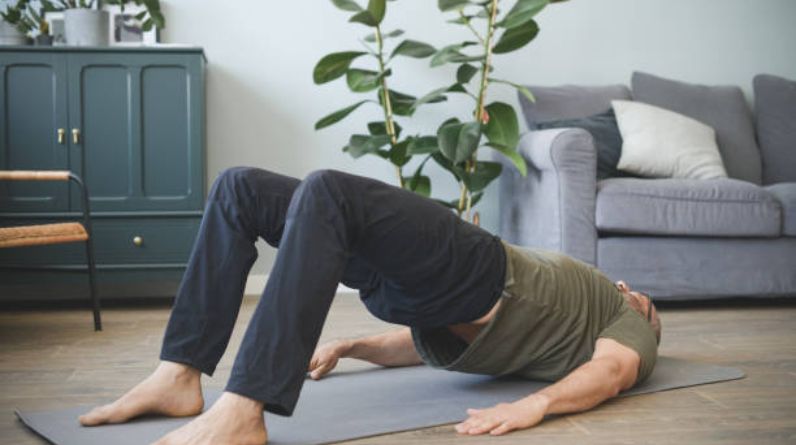
Push-ups, squats, glute bridges, planks, and resistance band rows provide effective training at home.
Consistent muscle engagement helps maintain metabolism and supports healthy aging.
Home workouts may also reduce excuses and improve workout consistency. Short sessions performed regularly often produce better long-term results than occasional intense workouts.
Cardio Supports Heart Health And Hormone Balance
Cardio exercise supports circulation, endurance, and metabolic health. Balanced cardiovascular fitness can positively affect hormone function over time.
Moderate cardio activities include:
- Cycling
- Swimming
- Jogging
- Hiking
- Rowing
- Fast walking
Long-duration excessive cardio may increase stress hormones in some people, especially without proper recovery and nutrition.
Moderate sessions usually provide the best balance between fitness improvement and hormone support.
Listening to recovery signals matters. Constant exhaustion after workouts often suggests the body needs more rest.
Exercise Helps Improve Sleep Quality
Poor sleep can negatively affect testosterone, cortisol balance, appetite hormones, and recovery.
Regular physical activity often improves sleep quality naturally. Many people fall asleep faster and feel more rested after maintaining a consistent workout routine.
Exercise may also help regulate the body’s internal clock. Better sleep supports muscle recovery, energy production, and hormone balance throughout the day.
Late-night intense workouts may affect sleep for some individuals, especially sensitive sleepers. Morning or afternoon training often works better for recovery.
Maintaining Healthy Body Fat Supports Hormones
Body composition strongly affects hormone balance. Excess body fat may negatively influence insulin sensitivity, testosterone levels, and inflammation.
Exercise helps maintain healthy muscle mass while supporting fat loss naturally.
Strength training combined with moderate cardio often creates the best long-term body composition improvements.
Crash dieting and excessive exercise can sometimes worsen hormone problems instead of improving them. Balanced routines usually produce more sustainable results.
Recovery Is Essential For Hormone Health
Recovery plays a major role in hormonal balance. Too much training without rest can increase cortisol levels and reduce performance.
Rest days help muscles repair and allow the nervous system to recover properly.
Signs of poor recovery may include:
- Constant fatigue
- Poor sleep
- Low motivation
- Decreased strength
- Increased soreness
- Mood changes
Stretching, hydration, sleep, and proper nutrition all support better recovery quality.
Balanced training programs include both effort and recovery instead of nonstop intense exercise.
Best Weekly Exercise Routine For Hormone Health
A simple balanced routine often works best for long-term results.
Example Weekly Plan
Monday: Strength training
Tuesday: Walking or light cardio
Wednesday: HIIT workout
Thursday: Yoga or stretching
Friday: Strength training
Saturday: Outdoor activity or walking
Sunday: Rest and recovery
This type of structure supports both fitness improvement and hormonal recovery.
Foods And Habits That Support Exercise Recovery
Exercise works best alongside healthy daily habits.
Protein supports muscle repair and recovery. Healthy fats may help support hormone production naturally.
Hydration remains important because dehydration can increase fatigue and reduce workout performance.
Managing stress outside the gym also matters. Constant mental stress may reduce the positive effects of exercise on hormones.
Simple habits like sleep consistency, sunlight exposure, balanced meals, and movement throughout the day all work together to support wellness.
Final Thoughts
The best exercises for hormone health combine strength training, movement, stress reduction, and proper recovery. Balanced workouts can improve energy, mood, metabolism, and overall wellness naturally over time.
Strength exercises help support muscle and healthy hormone production, while walking, yoga, and moderate cardio help control stress and recovery. Consistency usually matters more than extreme workouts or complicated fitness programs.
Small daily habits often create the biggest long-term improvements. A balanced exercise routine paired with recovery and healthy nutrition can support better hormone function and overall vitality naturally.


