


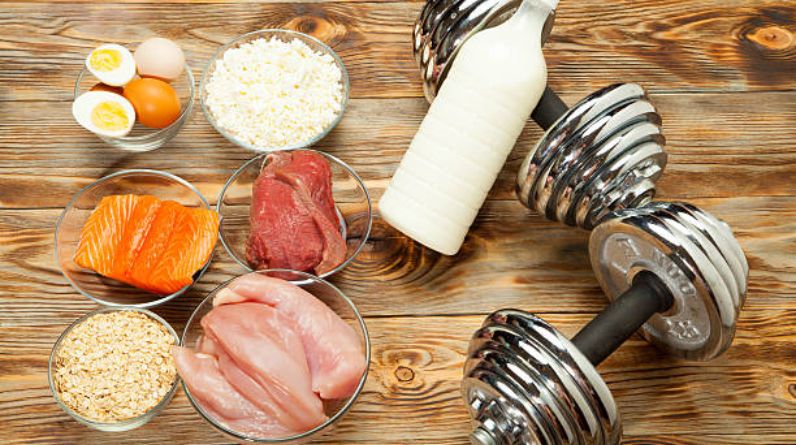
Finding the best protein for lean muscle growth can make a huge difference in strength, recovery, and overall fitness results. Many people train hard in the gym but fail to build lean muscle because they do not get enough high-quality protein in their daily diet. The right protein source helps repair muscles after workouts, improves recovery speed, and supports muscle growth without adding extra body fat. Whether the goal is building a lean athletic body, improving workout performance, or increasing strength naturally, choosing the right protein can help maximize long-term results.
Why Protein Matters For Lean Muscle Growth
Protein contains amino acids that help repair damaged muscle fibers after exercise. During resistance training, muscles go through tiny tears. The body uses protein to rebuild those fibers stronger and bigger than before. Without enough protein intake, muscle recovery becomes slower, and strength gains may stop completely.
Lean muscle growth also depends on protein timing, workout consistency, sleep quality, and calorie balance. Eating high-quality protein throughout the day helps maintain steady muscle protein synthesis, which is important for building a lean and athletic body.
What Makes A Protein Good For Lean Muscle
Not all protein sources are the same. Some proteins contain more essential amino acids and digest faster than others. The best protein for lean muscle growth should support recovery without adding excess sugar, unhealthy fats, or unnecessary calories.
A quality muscle-building protein usually includes:
- High amino acid content
- Fast or moderate digestion speed
- Low added sugar
- High biological value
- Good leucine content for muscle recovery
- Easy digestion and absorption
Many athletes and fitness enthusiasts prefer clean protein sources that support lean muscle instead of bulking with excess fat gain.
Whey Protein For Fast Muscle Recovery
Whey Protein is one of the most popular choices for muscle growth because it digests quickly and contains all essential amino acids. It is especially rich in leucine, which helps trigger muscle protein synthesis after workouts.
Whey isolate is often considered better for lean muscle because it contains less fat and fewer carbohydrates compared to whey concentrate. It also absorbs faster, making it ideal after workouts when muscles need nutrients immediately.
People who train intensely often use whey protein after exercise to reduce soreness and improve recovery speed. It can also help maintain muscle while reducing body fat during cutting phases.
Casein Protein For Overnight Muscle Support
Casein Protein digests much slower than whey. Instead of giving a quick amino acid release, it provides a steady supply of protein for several hours. This makes it useful before bedtime.
Many athletes take casein protein at night because muscles continue recovering during sleep. Slow digestion helps reduce muscle breakdown and supports overnight recovery. It may not absorb as quickly as whey, but it works well for long-lasting muscle support.
Combining whey during the day and casein before sleep can create a balanced muscle-building strategy for lean gains.
Plant-Based Protein For Clean Muscle Growth
Plant proteins have become more popular among people looking for dairy-free or vegan options. Common sources include pea protein, brown rice protein, hemp protein, and soy protein.
Pea Protein is especially popular because it contains a good amount of branched-chain amino acids and is easier to digest for many people. Some plant protein blends combine multiple sources to create a complete amino acid profile.
Plant-based protein may slightly digest slower than whey, but it still supports lean muscle growth when total protein intake remains high. Many modern plant proteins now have improved taste and texture compared to older formulas.
Egg Protein For High-Quality Nutrition
Egg Protein is another excellent option for lean muscle development. Eggs naturally contain complete proteins with essential amino acids that help muscle recovery and growth.
Egg protein powder can be useful for people who cannot tolerate dairy but still want a complete animal-based protein source. Whole eggs also provide healthy fats, vitamins, and minerals that support overall performance and recovery.
Many bodybuilders include eggs in breakfast meals because they help increase fullness while supporting muscle repair throughout the day.
How Much Protein Do You Need
Protein requirements depend on activity level, training intensity, and body weight. Most active individuals aiming for lean muscle growth benefit from consuming around 1.6 to 2.2 grams of protein per kilogram of body weight daily.
Someone who weighs 70 kilograms may need roughly 112 to 154 grams of protein each day to maximize muscle recovery and growth. Splitting protein across multiple meals helps maintain steady amino acid availability.
Consuming enough protein becomes even more important during fat loss phases because the body may break down muscle tissue when calories are too low.
Best Time To Take Protein
Protein timing is not as important as total daily intake, but certain times can improve recovery and performance. After workouts, muscles become more sensitive to nutrients, making post-workout protein highly beneficial.
Morning protein intake may also help reduce muscle breakdown after overnight fasting. Many people also benefit from consuming protein before sleep to support recovery during the night.
A balanced protein schedule may include:
- Breakfast protein source
- Post-workout shake
- Protein-rich lunch and dinner
- Evening protein snack
Consistency matters more than perfect timing.
Whole Foods Vs Protein Supplements
Protein supplements are convenient, but whole foods should still remain the foundation of a healthy diet. Foods like chicken, fish, eggs, lean beef, yogurt, and beans provide additional nutrients beyond protein alone.
Supplements mainly help people reach protein goals more easily. Busy schedules sometimes make it difficult to prepare high-protein meals throughout the day. In those situations, protein shakes can provide fast and practical nutrition support.
A combination of whole foods and quality supplements usually works best for long-term lean muscle growth.
Common Mistakes That Slow Muscle Growth
Many people believe protein alone builds muscle, but several mistakes can limit results even with high protein intake. One common issue is not eating enough total calories. Muscle growth requires sufficient energy along with resistance training.
Poor sleep also slows muscle recovery because important growth hormones release during deep sleep cycles. Another problem is inconsistent workouts. Muscles need progressive overload to continue adapting and growing.
Some people also depend too heavily on supplements while ignoring balanced nutrition. Real muscle growth comes from combining proper training, recovery, hydration, sleep, and protein intake together.
Choosing The Right Protein Supplement
When selecting a protein powder, ingredient quality matters. Some products contain unnecessary fillers, artificial sugars, or low protein percentages. Reading labels carefully can help avoid poor-quality supplements.
Good protein products often contain:
- At least 20 grams of protein per serving
- Minimal added sugar
- Low artificial ingredients
- Third-party testing
- Complete amino acid profile
People with lactose intolerance may prefer whey isolate or plant-based proteins for easier digestion.
For more nutrition and recovery support, visit Natural Health Source.
Internal Link Anchor Text: Boost Strength And Workout Recovery
Final Thoughts
Finding the best protein for lean muscle growth depends on your goals, digestion, lifestyle, and training routine. Whey protein works well for fast recovery, casein supports overnight repair, and plant-based proteins offer clean alternatives for dairy-free nutrition.
Protein alone will not transform the body overnight, but consistent intake combined with strength training and proper recovery can produce noticeable lean muscle gains over time. Focusing on quality protein sources, balanced meals, and smart training habits creates the strongest foundation for long-term performance and muscle development.


