I used to think sore knees and stiff shoulders were just part of getting older — until I learned how to strengthen joints naturally. Simple changes like joint strengthening exercises, better food choices, and natural anti-inflammatory methods made a huge difference.
By adding foods that strengthen joints and the best vitamins for joint health, my energy and flexibility came back fast. If you want to relieve stiff joints naturally and strengthen tendons and ligaments, you’re in the right place. Let’s rebuild your joint strength — the natural way.
Why Strong Joints Matter More Than You Think
I used to wake up with stiff knees and aching shoulders and thought it was just part of aging. But the truth is, strong joints matter because they keep you moving freely and pain-free. When they weaken, every step, lift, or stretch becomes harder.
Most men ignore early warning signs until pain slows them down. Healthy joints protect your balance, stability, and energy — they’re your body’s shock absorbers. Studies show that over 70% of men over 40 feel joint discomfort, yet few do anything about it.
Here’s what I learned through experience: you can rebuild joint strength naturally — no pills, no gimmicks, just smarter habits. Once you start caring for your joints, your body begins to thank you with strength, comfort, and freedom again.
The Foundation — How Joints Actually Work
To really care for your body, you need to understand what keeps it moving. Your joints are like hinges — made up of cartilage that cushions, ligaments that stabilize, tendons that connect muscle to bone, and a slick fluid called synovial fluid that keeps everything gliding smoothly.
As we age, stress, poor posture, or long hours of sitting can dry out those tissues and wear them down. That’s why stiffness, cracking, or swelling often show up long before serious pain does. When you strengthen tendons and ligaments, you protect the entire joint system from breaking down.
Nutrition That Rebuilds and Protects Joints
Foods That Strengthen Joints
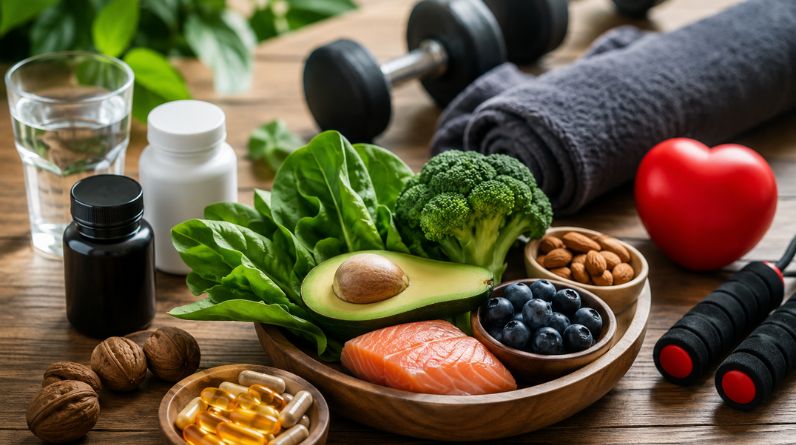
What you eat can make or break your joint health. Foods that strengthen joints do more than just ease stiffness — they help rebuild the tissue that keeps your body moving smoothly. Collagen-rich foods like bone broth, eggs, and fish support cartilage repair, while citrus adds vitamin C to boost collagen production.
Add anti-inflammatory choices like salmon, olive oil, turmeric, and leafy greens to your plate. These reduce swelling and keep your joints flexible. I learned the hard way that cutting back on processed sugar, fried foods, and alcohol made my knees stop aching within weeks.
Best Vitamins for Joint Health
Strong joints start with strong nutrition. The best vitamins for joint health include Vitamin D for bone strength, Vitamin C and K2 for collagen and calcium balance, and magnesium for flexibility. Omega-3s and zinc also fight inflammation and support tissue repair.
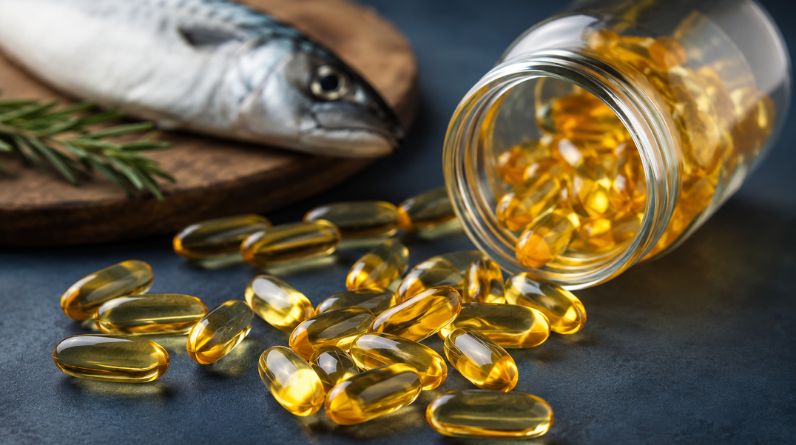
I started taking fish oil and a daily collagen supplement — nothing fancy — and noticed my morning stiffness fade away. Sometimes, the simplest changes bring the biggest results.
Pro Tip: When diet alone isn’t enough, I trust Natural Health Source for clean, research-based supplements that support healthy joints, hormones, and recovery.
Natural Anti-Inflammatory Methods That Work
Inflammation is your body’s alarm system — but you can calm it naturally. Simple natural anti-inflammatory methods like staying hydrated, sleeping well, and managing stress go a long way.
Add turmeric, ginger, and omega-3-rich foods to your meals, and take short daily walks to boost circulation. I started drinking turmeric with black pepper tea each morning, and within weeks, my stiffness eased.
Studies show turmeric’s curcumin can reduce inflammation almost as effectively as pain meds — without the side effects. Small daily habits make a big difference in how your joints feel and move.
Joint Strengthening Exercises You Can Do at Any Age
You don’t need fancy equipment or heavy weights to build strong, pain-free joints. The best joint strengthening exercises are low-impact movements that keep your body flexible and stable. Walking, swimming, cycling, or resistance band work can all help strengthen the knees, hips, shoulders, and wrists without stress or strain.
Safe Starter Exercises
Start slow and listen to your body — progress comes from consistency, not pain. Try bodyweight squats and wall sits to build leg stability, dead hangs to loosen tight shoulders, and gentle mobility stretches to keep joints moving freely. Always warm up before resistance work and focus on form over intensity.
Even 10 minutes a day of mindful movement can rebuild strength, protect your joints, and keep you moving with confidence at any age.
How to Relieve Stiff Joints Naturally
Many people confuse stiffness with pain, but they’re not the same. Stiffness often means your joints need movement, not medicine. Understanding how to relieve stiff joints naturally starts with gentle daily activity and better recovery habits.
Simple things help — try contrast showers, light massage, or an Epsom salt bath to relax tight muscles and boost blood flow. I noticed my knees loosened up after just a 10-minute morning walk, and that small routine made a huge difference.
Avoid sitting too long; your joints crave motion. Even short stretch breaks or a few steps every hour can keep them flexible, strong, and pain-free.
Strengthen Tendons and Ligaments (The Secret to Long-Term Joint Power)
Strong muscles mean little without strong connective tissue. To stay active and pain-free, you need to strengthen tendons and ligaments — the cables and anchors that hold your body together. These tissues adapt slower than muscle, so they need time, patience, and consistent training.
The best way to build them isn’t through speed or heavy weights but through slow, controlled resistance. Try Farmer’s carries, isometric holds, or walking lunges. Focus on form and steady tension — not on rushing reps.
When I switched to slow, controlled training, my knees stopped popping and my balance improved fast. It’s proof that lasting joint power comes from steady progress, not pushing harder.
Lifestyle Habits for Lifelong Joint Health
Strong joints aren’t built in the gym alone — they’re built through daily habits. Good posture, steady hydration, quality sleep, and recovery matter more than heavy workouts ever will.
Avoid sitting too long; your joints thrive on movement. Stand, stretch, or walk for a minute every hour to keep them lubricated and mobile. Maintaining a healthy weight also makes a big difference — every pound of weight loss removes about four pounds of pressure from your knees.
My Personal Routine for Stronger Joints
My routine for joint health is simple but powerful. Every morning, I start with light mobility — hip circles, shoulder rolls, and slow squats to wake everything up. A few minutes of movement keeps my joints loose and ready for the day.
Nutrition is the next key. I focus on collagen-rich foods, omega-3s, and plenty of water. I also take a basic supplement stack: vitamin D, magnesium, and fish oil — nothing fancy, just what keeps my body running smoothly.
Recovery is where real progress happens. I stretch before bed, rest when needed, and never skip sleep. Your joints are your foundation — take care of them, and they’ll carry you through life.
Final Thoughts
No matter your age or how long you’ve been dealing with stiffness, it’s never too late to rebuild strength. Your body has an incredible ability to heal when you give it the right care, movement, and fuel.
Don’t wait for pain to remind you of your potential — start today, one step at a time. Each stretch, walk, and meal choice moves you closer to lasting strength and freedom.
If this helped, check out my guide on best foods for men’s joint health for more ways to protect and power up your joints naturally.