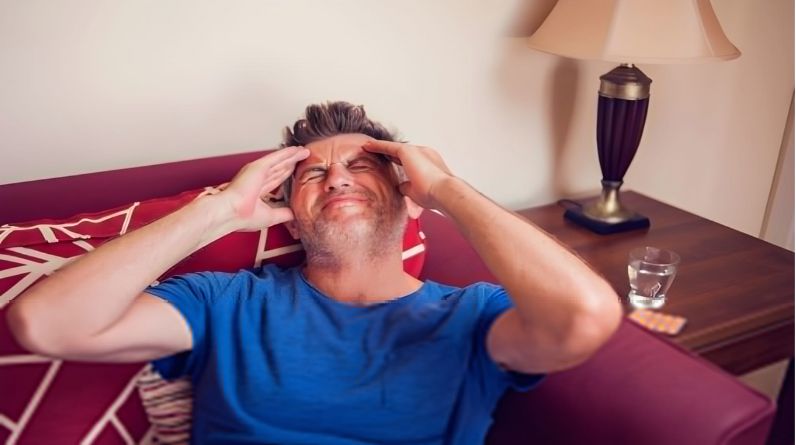
Some mornings I’d wake up with a dull, nagging ache behind my eyes. I blamed it on long work hours or poor sleep, but deep down I wondered — can high cholesterol cause headaches? Later, I learned how our blood flow, diet, and daily habits quietly shape how our body feels.
High cholesterol doesn’t just affect the heart; it can also slow oxygen to the brain, causing tension or dizziness. Through trial, mistakes, and better choices, I’ve seen how small lifestyle shifts can help. Let’s talk about what really causes high cholesterol and the natural ways to bring it back in balance.
What Causes High Cholesterol in Men?
High cholesterol builds up slowly through daily habits. Most men don’t notice the signs until they feel tired or dizzy. What causes high cholesterol is often simple — poor diet, stress, and lack of movement. I used to skip breakfast and eat fast food late at night. It felt easy, but my numbers kept rising.
There are two kinds of cholesterol. The “good” HDL helps clean your blood. The “bad” LDL sticks to your arteries and slows blood flow. Too much LDL makes the heart work harder and lowers energy. These are common signs of high cholesterol men often ignore.
Stress and fried food make things worse. Hormones released under stress can raise LDL and drop HDL. Processed snacks, sugar, and oily meals are foods that raise cholesterol.
High stress can make cholesterol worse. Learn simple ways to calm your mind in our post How to Reduce Stress Naturally — practical tips that actually work.
Can High Cholesterol Really Cause Headaches?
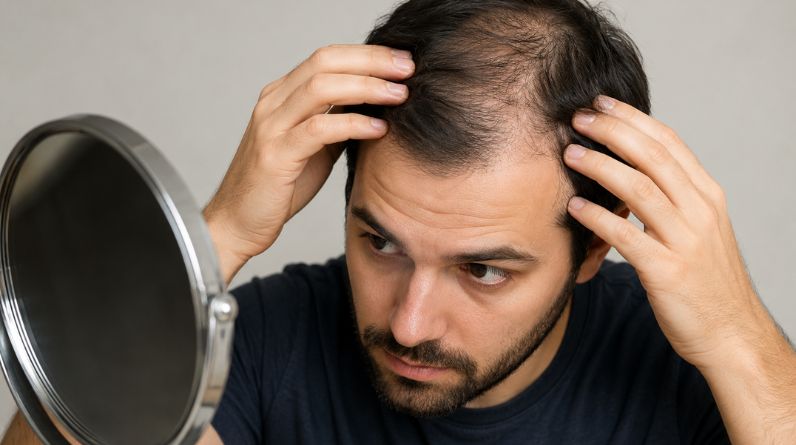
Yes, it can — but not for everyone. Can high cholesterol cause headaches? Sometimes it does. When fat builds up in the arteries, blood flow slows, and the brain gets less oxygen. This can cause dull or tight pain — common high cholesterol headache symptoms.
Some people never feel it. Headaches mostly appear if cholesterol also raises blood pressure or blocks circulation. Dizziness or heavy pressure in the head can be early signs too.
10 Warning Signs of High Cholesterol You Shouldn’t Ignore
High cholesterol often hides without clear pain, but your body gives small signals. These early signs can appear long before major issues start.
10 Warning Signs to Watch For:
- Frequent headaches or dizziness
- Chest tightness or fatigue
- Numbness in hands or legs
- Blurred or unclear vision
- Shortness of breath after light activity
- Slow healing cuts or wounds
- Yellow skin patches (xanthomas)
- Swollen feet or ankles
- Memory fog or irritability
- Irregular or racing heartbeat
These signs may seem small, but they often point to poor blood flow or blocked arteries. Noticing them early helps protect your heart and energy.
Natural Ways to Lower Cholesterol and Prevent Headaches
Good news — you can control your cholesterol with small daily habits. These natural ways to lower cholesterol also help reduce headaches and boost your energy.
Eat Heart-Healthy Foods
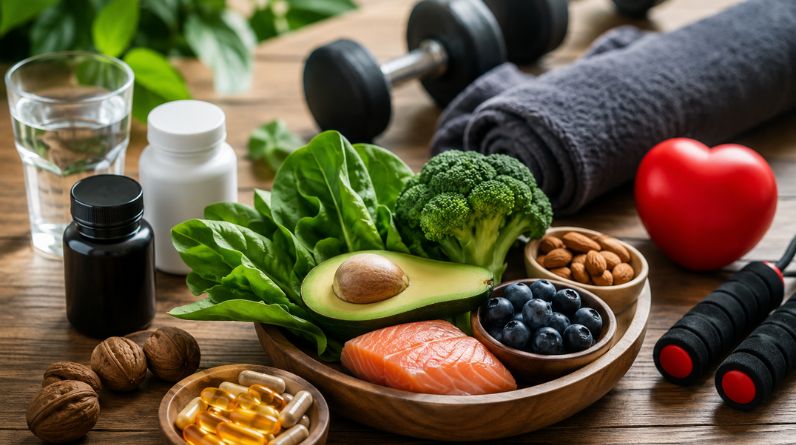
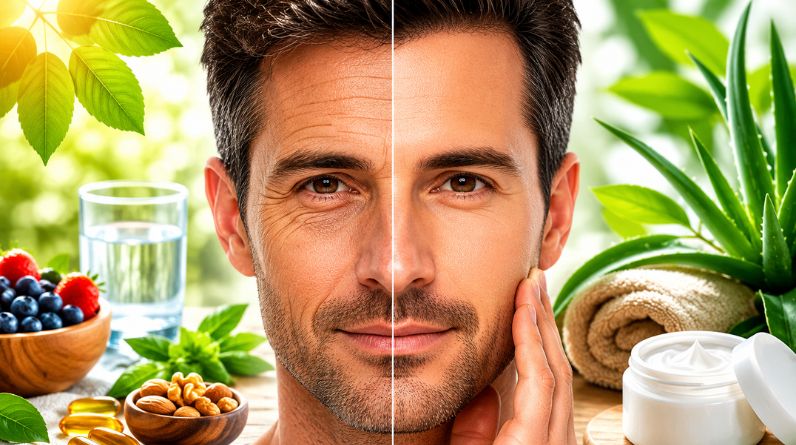
Start with foods that heal from inside. Foods that lower cholesterol naturally include oats, olive oil, avocados, nuts, and fatty fish. These help raise good HDL and lower bad LDL. Avoid fried meals, sugar, and red meat — they build fat in your arteries and slow blood flow.
Move Your Body Daily
Exercise keeps your heart and brain active. A short walk, light weights, or stretching for 30 minutes a day helps clear fat from your blood. Daily movement improves oxygen flow and can ease pressure headaches linked to cholesterol.
Manage Stress and Sleep
Stress and poor sleep raise cortisol, which can increase cholesterol. Deep breathing, quiet walks, or a good night’s rest help your body stay balanced. Calm mind, clear blood — that’s how natural healing starts.
Try Natural Supplements
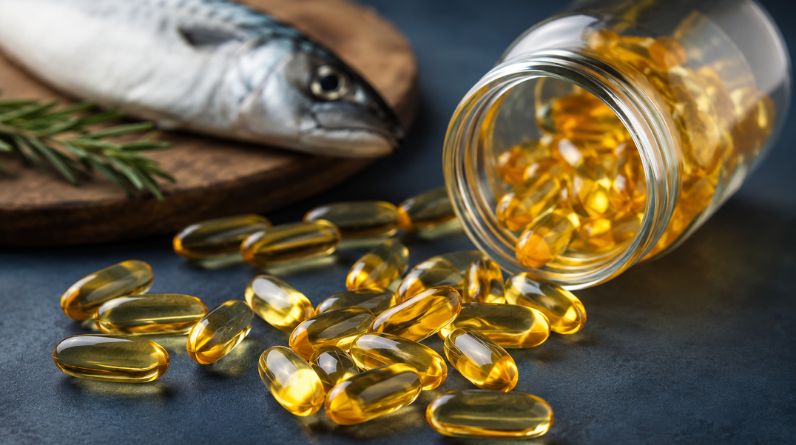
Some natural supplements support heart health by improving circulation and energy. Omega-3s, plant sterols, and niacin are great examples. For trusted, high-quality options, explore NaturalHealthSource.com — their wellness products are designed to support your cholesterol naturally.
When to See a Doctor
High cholesterol often builds up quietly, so regular checkups matter more than most men realize. A simple blood test can detect rising levels early and help you take control before symptoms grow serious. If you often feel dizzy, tired, or have pressure headaches, it’s a good idea to see your doctor for a full checkup. Regular blood and pressure tests can spot small issues before they turn into heart problems.
Headaches that don’t go away or come with dizziness may also point to circulation trouble. Checking your blood pressure and heart rate helps your doctor understand how well your heart is working. Catching these signs early keeps your heart strong and your mind clear.
FAQs
What are the first signs of high cholesterol in men?
Fatigue, tightness in the chest, and sometimes unexplained headaches are early signs many men overlook.
Can lowering cholesterol reduce headaches?
Often yes. Better blood flow improves oxygen to the brain, which can ease tension and reduce headaches.
Can stress raise cholesterol levels?
Absolutely. Long-term stress increases cortisol, which can raise bad LDL cholesterol and affect your energy levels.
Final Thoughts
Your headaches may be your body’s way of asking for balance. Simple changes can turn things around faster than you think. Eat clean food, move a little each day, and get enough rest. These habits improve blood flow, lower stress, and keep your heart strong.
Taking care of your health doesn’t have to feel hard — it’s about small, steady steps. Listen to your body and give it what it needs.