


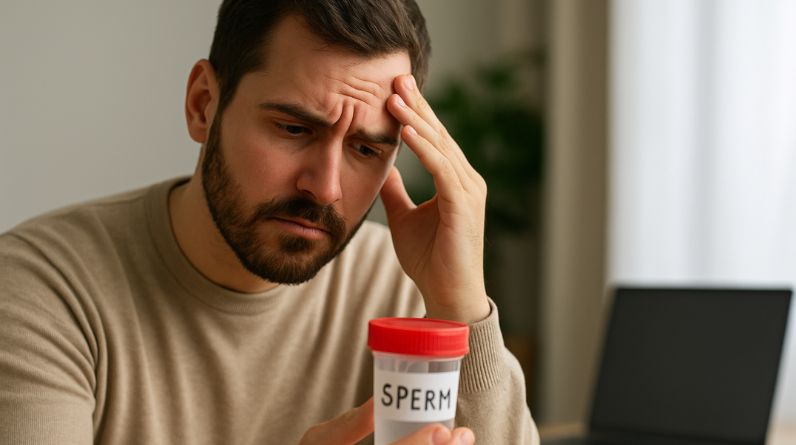
I asked myself a hard question: how long after stopping testosterone does sperm count increase? The answers were not clear. I felt stress in my chest and doubt in my head. Many men ask the same thing. Some fear testosterone makes you infertile. Others think it can make you sterile forever.
I’ve been through it. The truth gave me peace. I’ll share my full story, what helped, and how long it took. You are not alone.
Understanding Why Testosterone Affects Sperm Count
Testosterone therapy can lower your sperm count. It surprised me too. I thought more T meant better health. But that’s not how it works.
Your brain controls sperm with two key signals: LH and FSH. TRT turns those off. That means your body stops making sperm. It’s like hitting pause on the system.
Does Testosterone Make You Infertile?
Yes, testosterone can make you infertile while you’re on it. It shuts down sperm-making signals in your brain. These are the ones that tell your body to create sperm.
I had no idea this would happen. I felt stronger on TRT, but my sperm count went way down. That scared me. It turns out, this is normal—and it’s not forever.
Does Taking Testosterone Make You Sterile?
No, testosterone does not cause permanent sterility in most men. It just stops your body from making sperm for a while. Once you stop, your system wakes back up.
That gave me hope. At first, I worried I’d never recover. But sperm came back. Slow at first, then more. Most men bounce back like this.
Does Low Testosterone Cause Infertility?
Yes, low testosterone can affect fertility. You may still make sperm, but not well. You may feel tired, lose drive, or notice weak performance.
That’s how I felt before I started TRT. My sperm count was lower, but not gone. Low T hurts you slowly. TRT shuts things off fast.
How Long After Stopping Testosterone Does Sperm Count Increase?
Most men see sperm count rise within 3 to 6 months after stopping testosterone.
Some notice changes sooner. Others need more time. I fell somewhere in the middle.
After quitting TRT, I watched and waited. I felt nervous. I kept asking, “Is anything happening?” Then, one morning, things started to shift—more energy, better mood, stronger drive. That gave me hope.
Your body needs time to restart. But it does restart. And I’ve lived through that reset myself.
Typical Sperm Recovery Timeline (Month-by-Month)
Here’s what you can expect if you’re like most men:
Month 1:
Hormone signals start to return. You may not feel much yet. But deep inside, your system is waking up.
Months 2–3:
Sperm production begins again. You might notice more volume. Libido can rise too. I felt more “myself” around this point.
Months 4–6:
Fertility often returns to normal in this stage. Sperm count improves. Mood lifts. I saw big changes in energy and clarity.
Months 6–12:
Full recovery happens for many men here. This depends on your age, TRT dose, and habits. But most men bounce back within a year.
I kept a journal during this time. Looking back, I saw steady progress—even when it felt slow.
What If Your Sperm Count Doesn’t Improve Quickly?
Some men take longer to recover. That’s normal.
Don’t panic. There are simple reasons why it can be slow.
You might need more time due to:
- Long-term use of TRT
- Higher doses
- Older age
- Stress
- Poor sleep
- Bad diet
- Lack of movement
I slipped in some of these too. Once I fixed my sleep and food, things improved fast. You don’t need to be perfect. You just need to stay consistent.
Most of all—be patient. Your body wants to recover. It just needs your help.
Sperm Count After Stopping Testosterone — What Actually Happens
Testosterone shuts things down. But once you stop, your body begins to reboot. That’s what happened to me. Slowly but surely, things turned back on. Let me explain how.
How the Body Reboots Hormone Production
After quitting testosterone, your brain starts sending LH and FSH again. These are the messengers that tell your testes to wake up. Without TRT in the way, the signal flows again.
At first, you may not feel much. But deep inside, your body is starting to work. I remember feeling flat at first, but that changed. After a few weeks, I felt more like me.
It’s not instant. Think of it like warming up an old engine. It starts slow… then runs strong.
Signs Your Sperm Production Is Increasing
You’ll know your sperm count is rising by watching simple signs.
Here’s what I noticed over time:
- Higher volume during ejaculation
- Better sperm motility (based on test results)
- Stronger libido and more morning energy
These signs gave me real hope. I kept track with a notebook. It felt like progress, even on slow days.
I also started sleeping better. My skin cleared up. I had fewer mood swings. All these little things told me: your hormones are coming back online.
Fertility Recovery After Quitting TRT — Factors That Affect Your Timeline
Fertility recovery after quitting TRT depends on many factors. Some men bounce back fast. Others need more time. I learned this the hard way. I kept asking, “Why is it taking longer for me?” The answer was hidden in these key things:
Age
Younger men often recover faster than older men. Your body heals better in your 20s and 30s. I was in my 30s when I stopped TRT. My recovery was steady, not fast. If you’re over 40, it might take longer—but it’s still possible.
Length of TRT Use
Longer TRT use = more time needed for recovery. I had been on boost testosterone for over a year. That made things a bit slower. A friend who was on it for just 3 months bounced back much faster.
Dose
High doses can delay sperm production. Some men use more than their body needs. That can hit fertility hard. I stayed on a moderate dose, but even that had a strong effect. Lower doses may recover quicker.
Genetics
Your body’s natural hormone rhythm matters. Some men are built to recover fast. Others need support. You may not know until you go through it. I learned mine was average—no superpower, but not broken either.
Stress
Stress can slow down hormone recovery. I saw this firsthand. During a high-stress month, my progress stalled. Cortisol fights against sperm production. Deep sleep, walks, and breathing helped turn things around.
Lifestyle
What you eat, how you move, and how you sleep matter. Junk food, late nights, and no exercise? That delayed me. Clean eating, light workouts, and solid sleep pushed me forward. Small changes made a big difference.
Overall Hormone Balance
Your full hormone picture—not just testosterone—affects recovery.
Low thyroid, high cortisol, low DHEA—all play a role. I checked my full panel. Fixing those helped speed things up. Don’t guess. Test and support your system.
My Personal Recovery Journey (What Worked for Me)
I didn’t fix my sperm count overnight. But I made real changes—and they worked. Here’s what helped me most during my recovery.
Supplements That Helped
Some supplements can support sperm production after quitting testosterone. I kept it simple. I took zinc, vitamin D, and ashwagandha. These helped my energy, mood, and recovery. I also added L-carnitine for sperm health. Within two months, I felt more alive.
I didn’t go overboard. Just 2–3 key supplements, taken daily, made a clear difference.
Foods That Boosted My Sperm Health
What you eat affects how fast your body recovers. I focused on real, clean foods—eggs, salmon, spinach, and walnuts. These support hormone balance and sperm quality. I also added garlic, dark chocolate, and pumpkin seeds. They sound basic, but they work.
I avoided sugar, alcohol, and processed junk. My energy went up. My sperm tests improved. It wasn’t magic—it was nutrition.
Sleep & Training Changes
Sleep is where the magic happens. I started sleeping 7–8 hours a night. Before that, I was barely getting 5. My body couldn’t recover, and my sperm count stayed low.
I also changed how I trained. I moved from heavy lifting to lighter, full-body workouts. Walks, stretches, and bodyweight moves helped my stress go down—and my fertility go up.
Emotional Impact & Motivation
Recovery isn’t just physical—it’s mental too. There were days I felt broken. I doubted myself. But I kept going. I leaned on people I trust. I tracked progress in a notebook. That helped me stay focused.
Each small win—more drive, better sleep, good lab results—kept me motivated. It reminded me: healing is not a sprint. It’s a climb.
How to Naturally Increase Sperm Count After Stopping Testosterone
You don’t need magic pills to recover. Simple habits can help your sperm come back stronger. I tried them all. Some worked better than others—but together, they made a real difference.
Science-Backed Habits That Improve Fertility
- Take Zinc, D-Aspartic Acid, and Vitamin D
These are proven to support sperm quality and testosterone levels. I took them daily. Within weeks, I felt more energy and noticed changes in my labs. - Lower Stress and Cortisol
Stress kills hormones. I practiced deep breathing, took daily walks, and turned off screens before bed. This lowered my cortisol—and boosted my sperm count. - Stop Smoking (or Vaping)
Smoking hurts sperm motility and DNA quality. I quit cold turkey. It was hard—but I could feel the shift in both health and mood. - Avoid Heat Around the Testicles
Hot tubs, laptops, and tight underwear? I skipped them all. I switched to loose boxers and stayed cool. That one small change helped more than I thought. - Sleep Well and Stay Hydrated
Sleep is when your hormones reset. I aimed for 7–9 hours every night. I also drank lots of water—clear pee, clear mind. It’s basic, but it works.
Lifestyle Changes I Used to Speed My Recovery
I kept things simple but consistent. Here’s what worked best:
- Morning sunlight to boost natural testosterone
- 30-minute daily walks for blood flow and stress relief
- Whole foods like leafy greens, fish, and nuts
- Cold showers 3–4 times per week
- No alcohol for 90 days—tough, but worth it
I tracked all this in a journal. Seeing the habits stack up kept me motivated.
When to See a Healthcare Provider
If your sperm count doesn’t improve after 6 to 12 months, it’s a good idea to talk to a provider.
You don’t need to wait forever. Some things are best checked by a pro.
I waited about six months before asking for help. By then, I had made solid lifestyle changes. But I still felt off. A simple check gave me peace of mind—and a clear path forward.
Here are signs it might be time to get support:
- You feel tired all the time, even with rest
- No morning erections or very low libido
- No change in sperm volume or motility after many months
- Mood swings, brain fog, or poor sleep
- You were on TRT for years or used high doses
How long after stopping testosterone does sperm count increase?
Most men see improvement in 3–6 months. Full recovery may take up to a year.
Does testosterone make you infertile?
Yes, TRT can cause temporary infertility by stopping sperm production.
Can testosterone make you sterile permanently?
No, permanent sterility is rare. Most men recover after stopping TRT.
Final Thoughts
Recovery is real. I’ve been there, and I know how it feels to wonder if your body will bounce back. It can—and it does. You just need time, patience, and the right habits.
I didn’t do everything perfectly. I made mistakes. Doubted myself. But I kept going. Slowly, I saw changes. My energy came back. So did my sperm count—and my confidence.
You’re not broken. You’re rebuilding. So take care of your body. Be kind to yourself. And trust the process. You’re not alone on this road. You may explore trusted natural male hormone support at NaturalHealthSource com.


