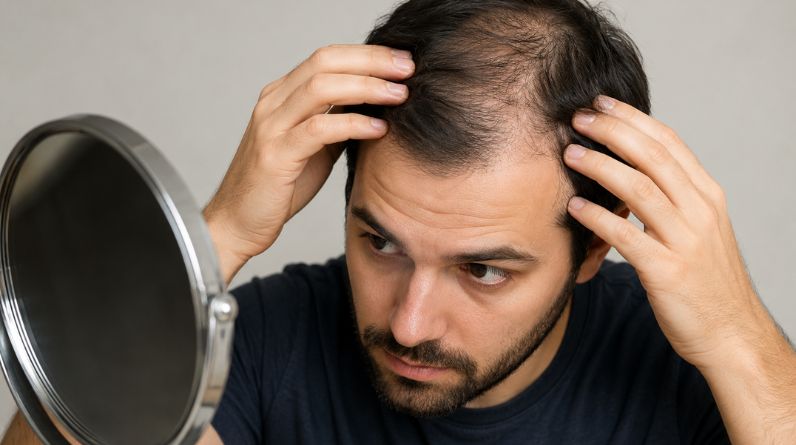
Are you over 50 and feeling tired, gaining belly fat, or losing strength and drive? After age 50, testosterone naturally drops 1–2% per year. This affects muscle, energy, mood, sleep, and sex drive. The good news? You can boost testosterone naturally with science-backed lifestyle changes — no risky shortcuts. This guide explains how men over 50 can increase testosterone naturally, improve free testosterone, fix daily habits, and support overall health. Simple, safe steps. No fads. No extreme diets.
Understand your testosterone after 50: test, signs, and what is normal
Start with a baseline. Testosterone has two key parts, total and free. Total T is everything your body makes. Free T is the part your cells can use. As men age, a protein called SHBG often rises. SHBG binds testosterone, which can lower free T even when total T looks okay.
A simple morning blood test gives helpful context. Morning levels tend to be higher, so testing early keeps results consistent. Avoid a heavy late night and get good sleep going into the test. If possible, repeat the test on a different morning to confirm your baseline.
Why look at both total and free? Free T often tracks more closely with how you feel, like strength, sex drive, and recovery. SHBG helps explain the picture. You might see normal total T with low free T if SHBG is high.
Symptoms matter too. Lots of things can sap energy or mood. Thyroid issues, low vitamin D, high stress, or poor sleep can look like low T. That is why a set of labs, not just one number, helps you choose the right next step. Keep the tone in your head friendly and calm. You are gathering data, not chasing a magic number.
Common signs of low T in men over 50
- Low sex drive
- Low morning energy
- Weaker erections
- Slower recovery from workouts
- Belly fat gain and muscle loss
- Mood swings or flat mood
- Poor sleep or snoring
- Brain fog or low focus
These signs have many causes, so testing helps you sort them out.
What is a healthy total and free testosterone range after 50?
Labs use reference ranges based on large groups, and they vary by lab. Focus on both total and free T, plus SHBG. Free T reflects the part your body can use. Fasting morning tests, done twice, give better information than a single afternoon draw.
Use how you feel alongside numbers. If labs look fine yet symptoms persist, keep digging into sleep, training, nutrition, and other hormones.
When to see your doctor and which labs to request
If symptoms are strong or ongoing, see your doctor. Ask about:
- Total testosterone
- Free testosterone or calculated free T
- SHBG
- LH and FSH
- Prolactin
- Thyroid panel (TSH, free T4, sometimes free T3)
- Vitamin D
- A1C or fasting glucose
- Lipid panel
- CBC
Some medications lower T, such as opioids, steroids, and some antidepressants. Sleep apnea lowers T and harms heart health. Bring up snoring, gasping at night, or daytime sleepiness.
Hidden lifestyle drains on testosterone after 50
- Sleep debt or irregular sleep times
- Heavy alcohol, especially late
- Very low calorie diets for long stretches
- Ultra-processed foods and high sugar
- Long hard cardio every day with no recovery
- High stress with no outlet
- Little daylight exposure
- Heating food in plastic containers
Daily habits that raise testosterone naturally and safely
You do not need to train like an athlete. You need simple, repeatable routines. Strength work, steady cardio, better sleep, and stress control work together. Consistency beats intensity.
Use a sample week as a guide:
- Two to three full-body lifts on nonconsecutive days.
- Two to three easy Zone 2 cardio sessions.
- One short sprint session if joints allow.
- Daily walks and light mobility.
- One full rest day.
Keep sessions short if needed. Forty minutes with focus is enough. Warm up, move well, and progress slowly. Good sleep holds the gains you make. A few minutes of calm breathing and morning light help set your rhythm.
Strength training plan for men over 50
Lift 2 to 3 times per week. Use full-body sessions.
- Squat or leg press
- Hinge, like deadlift or hip hinge with dumbbells
- Push, bench, incline press, or push-ups
- Pull, rows or pull-downs
- Carry, farmer carry or suitcase carry
Do 2 to 4 sets of 5 to 12 reps. Rest 1 to 2 minutes between sets. Add small amounts of weight or reps each week. Warm up with easy sets and light mobility. Keep form tight, protect your joints, and stop a rep or two before failure.
Cardio that helps hormones, not hurts them
Aim for 120 to 180 minutes of easy Zone 2 cardio weekly. Brisk walking, cycling, swimming, or hiking all count. Add one short sprint session, for example 6 to 8 sprints of 10 to 20 seconds with full recovery between. Keep daily steps high. Avoid pushing hard every day with no rest, which can tank energy and drive.
Sleep like a hormone booster
Shoot for 7 to 9 hours. Keep a steady bedtime and wake time, even on weekends. Make your room cool, dark, and quiet. Get morning sunlight on your eyes. Stop screens 60 to 90 minutes before bed. Avoid heavy late meals and late alcohol. If you snore, wake a lot, or feel sleepy during the day, ask about a sleep apnea check.
Lower stress and recover better
Use simple tools you can do daily.
- 5 minutes of calm nasal breathing
- A short walk outside
- Light stretching or mobility
- A hobby that absorbs you
- Time with friends or family
If you have access, sauna can aid recovery. Stay hydrated. Plan one full rest day weekly. Recovery is training too.
Foods and supplements that support testosterone after 50
Food quality sets the base. Build meals around protein, healthy fats, and smart carbs. Time carbs near training for performance. Keep it budget friendly, consistent, and simple.
Protein supports muscle and recovery. Healthy fats support hormones. Carbs help you train and sleep. Micronutrients round out the plan. Add fiber and cruciferous vegetables for gut and metabolic health. Limit ultra-processed snacks and added sugars that crowd out real food.
Build meals for higher T
- Aim for protein at each meal, about 0.6 to 0.8 grams per pound of goal body weight per day, or 1.6 to 1.8 grams per kg.
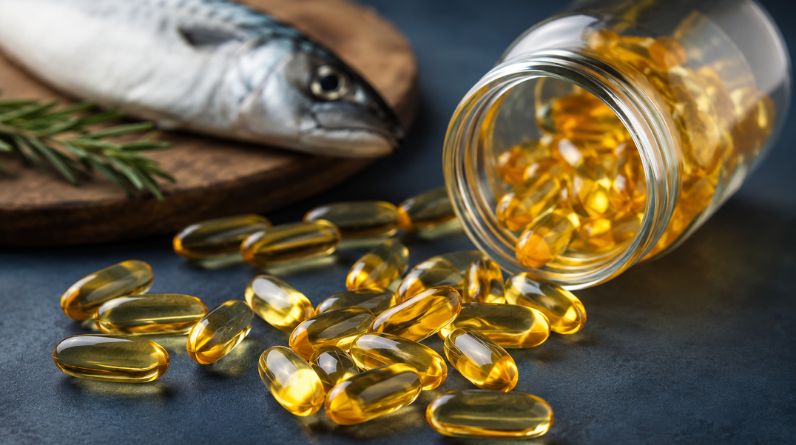
- Include healthy fats from eggs, olive oil, avocado, nuts, seeds, and fatty fish.
- Use carbs around training and in the evening if sleep is poor. Potatoes, rice, oats, beans, and fruit work well.
- Add fiber and cruciferous vegetables like broccoli, cabbage, and Brussels sprouts.
- Limit ultra-processed foods and added sugars that spike and crash energy.
Key nutrients many men over 50 miss
- Zinc, found in oysters, beef, and pumpkin seeds
- Magnesium, found in leafy greens, beans, and nuts
- Vitamin D, from sunlight, salmon, and fortified foods
- Boron, found in prunes, raisins, and avocados
Consider a vitamin D test before using high-dose supplements. Brazil nuts provide selenium, which supports hormone and thyroid health. A few nuts go a long way.
Natural supplements with the best evidence
Use supplements to fill gaps, not replace habits.
- Vitamin D if you are low
- Magnesium glycinate if intake is low
- Creatine monohydrate, 3 to 5 grams daily, for strength and recovery
- Ashwagandha, 300 to 600 mg daily, may help with stress and sleep
- Fenugreek extract may support free T in some men
Tribulus has weak evidence. DHEA can affect many hormones and should be guided by a doctor. Choose third-party tested brands and check for drug interactions.
For men looking for additional support, supplements like Testodren can be considered as part of a comprehensive approach to hormonal health after 50.
Alcohol, hydration, and timing tips that move the needle
Keep alcohol to 0 to 1 drinks on most days, and take a few dry days each week. Drink water through the day, not just at meals. Try a protein-forward breakfast to steady energy. Finish dinner 2 to 3 hours before bed. Avoid extreme fasting if it hurts sleep, energy, or training. Consistency beats perfection.
Conclusion
The formula is simple: test, train, sleep, stress control, smart food, and a few safe supplements. Try this 30-day plan. Week 1, get labs, set a steady bedtime, and plan 2 to 3 lifting sessions. Week 2, stock protein and micronutrient-rich foods. 3 Week , add a sprint day and daily light exposure. Week 4, review progress and schedule a follow-up test if needed.
Stay consistent and patient. If symptoms persist, check in with a clinician and fine-tune the plan. Your body can respond at any age when you give it the right signals.