Many people want to know how to combat oxidative stress because it can affect energy levels, skin health, recovery, and overall wellness. Oxidative stress happens when free radicals build up faster than the body can remove them. Poor diet, lack of sleep, smoking, stress, and pollution can all increase this imbalance. The good news is that simple lifestyle changes may help protect the body naturally. Eating antioxidant-rich foods, staying active, reducing stress, and improving sleep habits can all support healthier cells and reduce oxidative damage over ti
What Is Oxidative Stress?
Oxidative stress happens when the body has more free radicals than antioxidants. Free radicals are unstable molecules that can damage healthy cells. The body naturally produces them during digestion, exercise, and normal metabolism. Outside factors like pollution, smoking, processed foods, poor sleep, alcohol, and chronic stress can increase them even more.
When antioxidant levels become too low, the imbalance may contribute to faster aging and long-term health issues. Many experts also connect oxidative stress to inflammation, weaker immunity, and reduced physical performance.
Common Signs Of Oxidative Stress
Many symptoms linked to oxidative stress develop slowly over time. People often ignore them because they seem normal during busy life periods. Constant tiredness, headaches, poor concentration, muscle soreness, and low motivation are common warning signs.
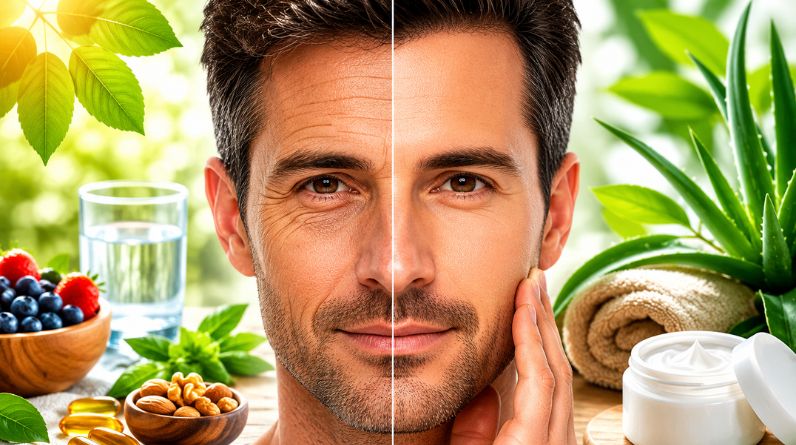
Skin problems can also appear. Premature wrinkles, dryness, acne flare-ups, and uneven skin tone may become more noticeable when oxidative damage builds up. Some people also experience weaker immunity and get sick more often.
Why Modern Lifestyle Increases Oxidative Stress
Modern living exposes the body to more stressors than ever before. Fast food, lack of sleep, emotional stress, and long screen time can all increase oxidative damage. Air pollution and chemicals from household products may also affect the body’s natural defense system.
Many people spend most of their day indoors with little movement and poor nutrition. Over time, these habits reduce antioxidant protection. This is why learning how to combat oxidative stress has become more important for long-term health and recovery.
Eat More Antioxidant Rich Foods
One of the best ways to lower oxidative stress naturally is through diet. Antioxidants help neutralize harmful free radicals before they damage cells. Fruits and vegetables are some of the best natural sources.
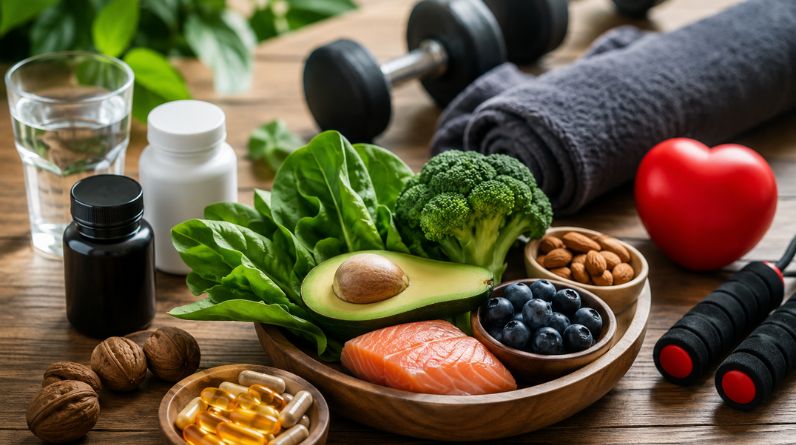
Berries, spinach, kale, broccoli, carrots, oranges, tomatoes, and purple grapes contain powerful antioxidants that support the body. Green tea, dark chocolate, nuts, and olive oil can also help reduce oxidative damage when eaten in moderation.
A colorful diet usually provides a wider variety of protective nutrients. Many nutrition experts recommend eating different colored fruits and vegetables every day for better antioxidant coverage.
Increase Vitamin C Intake
Vitamin C plays a major role in fighting oxidative stress. It supports immune function and helps regenerate other antioxidants inside the body. Citrus fruits, strawberries, kiwi, bell peppers, and guava are excellent natural sources.
Some people notice improved energy and skin health after increasing vitamin C intake regularly. While supplements are available, whole food sources often provide better overall nutritional support alongside fiber and other beneficial compounds.
Get Enough Quality Sleep
Poor sleep dramatically increases oxidative stress levels. During sleep, the body repairs damaged cells and restores balance. Lack of rest can raise inflammation and weaken antioxidant defenses.
Most adults need around seven to nine hours of quality sleep each night. Creating a relaxing bedtime routine can make a huge difference. Reducing screen time before bed, keeping the room cool, and following a consistent sleep schedule often improve sleep quality naturally.
People who consistently sleep well usually recover faster from physical and mental stress.
Exercise Without Overtraining
Regular exercise helps the body build stronger antioxidant defenses over time. Moderate physical activity improves circulation, metabolism, and cellular repair. Walking, swimming, cycling, and strength training are all beneficial.
However, excessive intense exercise without recovery may increase oxidative stress instead of lowering it. Many people make the mistake of training too hard while ignoring sleep and nutrition.
Balancing workouts with recovery days helps the body stay healthier and more resilient.
Reduce Processed Food Consumption
Highly processed foods often contain unhealthy fats, excess sugar, and artificial ingredients that may increase inflammation and oxidative stress. Frequent consumption can make the body work harder to maintain balance.
Replacing processed snacks with whole foods can improve energy and overall health surprisingly fast. Simple swaps like nuts instead of chips or fresh fruit instead of candy may support antioxidant activity naturally.
Cooking more meals at home also gives better control over ingredients and nutrition quality.
Stay Hydrated Throughout The Day
Water helps remove toxins and supports many essential body functions. Dehydration can place additional stress on cells and reduce physical performance. Even mild dehydration sometimes contributes to headaches, fatigue, and poor concentration.
Drinking enough water consistently may help support healthy metabolism and recovery. Herbal teas and water-rich foods like cucumber and watermelon can also contribute to hydration.
Many people feel more energetic after improving hydration habits for just a few days.
Manage Emotional Stress
Chronic emotional stress is one of the biggest hidden causes of oxidative stress. Constant worry and mental pressure can increase inflammation and affect hormone balance. Over time, this may weaken the immune system and impact overall health.
Stress management techniques can help protect the body naturally. Meditation, deep breathing, journaling, walking outdoors, and spending time with supportive people often improve mental well-being.
Even ten to fifteen minutes of relaxation daily can make a noticeable difference. For more natural wellness and antioxidant support information, visit Natural Health Source
Avoid Smoking And Excess Alcohol
Smoking exposes the body to a massive amount of free radicals. It damages cells directly and reduces antioxidant levels quickly. Alcohol in excess may also increase oxidative damage, especially in the liver and brain.
Reducing or avoiding these habits can significantly improve long-term health. Many people notice better skin, improved breathing, and higher energy levels after quitting smoking or lowering alcohol intake.
The body often begins repairing itself surprisingly fast once these stressors are reduced.
Add Healthy Fats To Your Diet
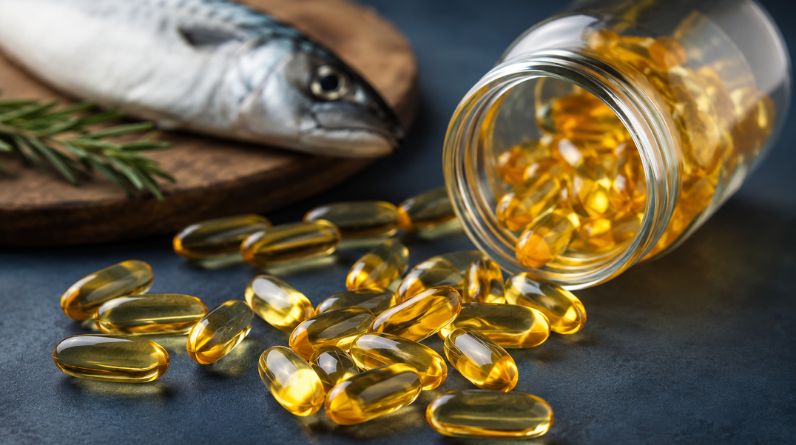
Healthy fats help support cell function and reduce inflammation. Omega-3 fatty acids are especially beneficial for fighting oxidative stress. Fatty fish like salmon, sardines, and mackerel are excellent sources.
Plant-based options such as flaxseeds, chia seeds, walnuts, and avocado also provide valuable nutrients. Replacing unhealthy trans fats with healthier fat sources may improve heart health and brain function over time.
Balanced nutrition supports the body’s natural repair systems more effectively than restrictive dieting.
Spend More Time Outdoors
Fresh air and moderate sunlight exposure may help improve mood, vitamin D levels, and overall well-being. Spending time in nature also helps reduce mental stress, which indirectly lowers oxidative damage.
Even short daily walks outside can support better circulation and mental clarity. Many people feel calmer and more refreshed after spending time away from screens and busy indoor environments.
Natural movement outdoors often supports healthier lifestyle habits overall.
Can Supplements Help Oxidative Stress?
Some people use antioxidant supplements for additional support. Common options include vitamin C, vitamin E, selenium, CoQ10, and glutathione support supplements. These may help certain individuals, especially when dietary intake is poor.
However, supplements work best alongside healthy habits rather than replacing them. A balanced lifestyle usually provides better long-term results than relying only on pills.
Before taking high-dose supplements regularly, it is often wise to consult a healthcare professional.
The Connection Between Oxidative Stress And Aging
Many researchers believe oxidative stress plays a major role in the aging process. Cell damage builds up gradually over time and may affect skin, muscles, brain function, and energy levels.
Healthy lifestyle habits can slow this process naturally. People who prioritize sleep, nutrition, exercise, and stress management often maintain better physical and mental health as they age.
While aging cannot be stopped completely, reducing oxidative stress may help the body function more efficiently for longer.
Conclusion
Learning how to combat oxidative stress naturally can improve overall health, energy, recovery, and long-term wellness. Simple habits like eating antioxidant-rich foods, sleeping better, exercising moderately, and managing stress often create powerful results over time.
Consistency matters more than perfection. Small healthy choices repeated daily can help protect the body from oxidative damage and support healthier aging naturally.