


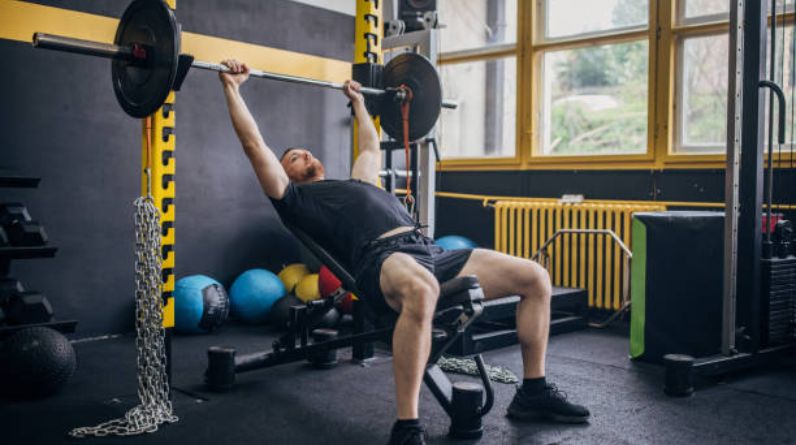
Building a stronger bench press takes more than lifting heavier weights every week. Many people stay stuck at the same number for months because small mistakes hold back progress. Poor recovery, weak form, and inconsistent training often slow down strength gains faster than expected.
Learning how to increase bench press strength starts with improving technique, building supporting muscles, and following a smarter routine. Small changes in sleep, nutrition, grip position, and workout structure can make a huge difference over time.
Why Bench Press Strength Stops Improving
Many lifters hit a plateau after the beginner stage. Early progress feels fast, but strength gains slow down once the body adapts to the same training style. Repeating the same weight and rep range every week often leads to stalled progress.
Poor recovery also plays a major role. Muscles grow and become stronger during rest, not only during workouts. Lack of sleep, stress, and low protein intake can reduce performance and recovery speed.
Weak supporting muscles may also limit bench press strength. Triceps, shoulders, upper back, and core muscles all help stabilize the movement. A weak upper body chain makes heavy pressing harder to control.
Focus On Proper Bench Press Form
Good technique improves strength faster than most people expect. Small form adjustments help create better power and reduce wasted energy during the lift.
Start by keeping feet flat on the floor. Strong leg drive creates stability and helps push more force through the body. Many experienced lifters use leg pressure to improve pressing power.
The shoulder blades should stay pulled back and tight against the bench. This creates a stronger pressing base and protects the shoulders during heavy sets.
Grip width also matters. A grip that feels too narrow may overload the triceps, while a very wide grip can stress the shoulders. Most people perform best with hands slightly wider than shoulder width.
Lower the bar with control instead of rushing the movement. Touch the lower chest area gently, then press upward in a straight and controlled path.
Train Bench Press More Than Once Per Week
One weekly chest workout often is not enough for serious strength growth. Increasing training frequency helps the body practice the movement more often.
Many strength-focused programs include bench press two or three times weekly. One session may focus on heavy lifting, while another uses lighter weight and higher reps for muscle growth and technique work.
Frequent practice improves muscle coordination and confidence under heavier weights. The body becomes more efficient with the movement over time.
Recovery still matters, so avoid training heavy every day. Alternating intensity levels helps prevent overtraining while improving strength steadily.
Use Progressive Overload Correctly
Progressive overload means slowly increasing training demands over time. This remains one of the most effective ways to improve bench press performance.
Adding small weight increases every few weeks works better than jumping too heavy too quickly. Even adding 2.5 to 5 pounds consistently can lead to major progress across several months.
Increasing reps can also help. Completing more reps with the same weight builds strength and muscle endurance before moving to heavier loads.
Tracking workouts helps identify progress clearly. Logging sets, reps, and weight makes it easier to spot improvement patterns and avoid random training.
Strengthen Supporting Muscles
A stronger chest alone does not guarantee a bigger bench press. Several muscle groups support pressing strength and stability.
Build Strong Triceps
Triceps play a huge role during the lockout phase of the bench press. Weak triceps often cause failed reps near the top of the movement.
Close-grip bench press, dips, rope pushdowns, and skull crushers help improve tricep strength effectively.
Improve Shoulder Strength
Strong shoulders stabilize the bar and help control heavy loads safely. Overhead presses, lateral raises, and front raises can improve shoulder power and endurance.
Healthy shoulders also reduce injury risk during intense pressing sessions.
Train The Upper Back
Upper back muscles create stability during pressing movements. Weak back muscles make the bench feel unstable and harder to control.
Barbell rows, face pulls, pull-ups, and seated cable rows help improve upper body balance and support stronger pressing mechanics.
Improve Bench Press Explosiveness
Explosive power helps move the bar faster and more efficiently. Slow pressing speed often makes heavy lifts harder to complete.
Paused bench presses help build strength from the bottom position. Pausing for one or two seconds before pressing upward improves control and starting power.
Speed bench training can also help. Using lighter weights with explosive reps teaches the body to generate force more quickly.
Medicine ball chest throws and plyometric push-ups may also improve upper body explosiveness for athletic lifters.
Eat Enough To Support Strength Growth
Nutrition plays a major role in strength performance. Low calorie intake often reduces workout energy and slows recovery.
Protein supports muscle repair and growth. Many strength athletes aim for protein intake from lean meats, eggs, fish, dairy, or protein supplements daily.
Carbohydrates also matter because they fuel intense workouts. Low carb intake may reduce training performance and endurance during heavy sessions.
Hydration affects muscle performance too. Dehydration can lower energy levels, reduce focus, and increase fatigue during training.
Balanced meals before workouts may improve lifting power and recovery quality.
Sleep And Recovery Matter More Than Most People Think
Many lifters focus only on training while ignoring recovery quality. Poor sleep can reduce strength, focus, hormone balance, and workout performance.
Most adults perform better with seven to nine hours of sleep nightly. Consistent sleep schedules may improve energy and recovery over time.
Rest days also help muscles repair properly. Constant heavy lifting without recovery often increases fatigue instead of improving strength.
Stretching, walking, and light recovery workouts may help reduce soreness and improve mobility between training sessions.
Avoid Common Bench Press Mistakes
Several common mistakes slow strength progress unnecessarily.
Lifting Too Heavy Too Often
Trying maximum weights every workout usually leads to fatigue and poor recovery. Most strength gains happen through consistent training, not constant testing.
Ignoring Warm-Ups
Cold muscles perform poorly and increase injury risk. Light warm-up sets prepare joints and muscles for heavier lifting safely.
Poor Bar Path
Pressing the bar unevenly wastes energy and reduces efficiency. Controlled movement improves consistency and strength output.
Skipping Back Training
Too much chest work without upper back training creates muscle imbalance. Balanced training improves stability and posture during pressing movements.
Best Exercises To Increase Bench Press Strength
Several exercises support faster strength gains effectively.
- Paused bench press
- Incline dumbbell press
- Close-grip bench press
- Weighted dips
- Barbell rows
- Pull-ups
- Overhead press
- Push-ups
- Cable chest flys
- Skull crushers
Combining these exercises with proper recovery and progressive overload can improve pressing performance steadily.
How Long Does It Take To Increase Bench Press Strength?
Progress speed depends on training experience, recovery quality, body weight, and consistency.
Beginners often gain strength quickly during the first few months. Intermediate lifters usually progress more slowly but can still improve steadily with proper programming.
Small improvements add up over time. Adding only a few pounds monthly may lead to major strength increases across a full year.
Consistency matters more than perfection. Following a structured plan regularly often produces better results than extreme workouts done inconsistently.
Final Thoughts
Understanding how to increase bench press strength requires more than simply pushing heavier weight every workout. Proper form, balanced training, recovery, nutrition, and consistent progression all work together to improve performance safely.
Building stronger triceps, shoulders, and upper back muscles can improve stability and power during pressing movements. Better sleep, hydration, and workout structure also support faster recovery and long-term progress.
Steady improvements may feel slow at times, but consistent effort usually leads to noticeable strength gains over time.


