Many men wonder how to increase semen volume naturally as part of improving their overall reproductive health and sexual wellness. While semen volume can vary from person to person, several lifestyle factors, dietary choices, and daily habits can influence how much semen the body produces.
Semen is made up of fluids from various glands within the male reproductive system, including the seminal vesicles and prostate gland. Factors such as hydration, nutrition, hormone levels, age, and overall health can affect semen production. Understanding these factors can help men take practical steps toward improving semen volume naturally.
In this guide, we’ll explore effective ways to support healthy semen production, improve reproductive health, and enhance overall vitality.
Stay Properly Hydrated
One of the simplest ways to increase semen volume naturally is to stay adequately hydrated. Semen contains a significant amount of water, and dehydration can reduce the amount of fluid your body produces.
Drinking enough water throughout the day helps support normal bodily functions, including reproductive health. Men who are consistently dehydrated may notice reduced semen volume and overall energy levels.
Aim to drink water regularly throughout the day, especially during hot weather or after exercise. Maintaining proper hydration can help support optimal semen production.
Eat A Nutrient-Rich Diet
Nutrition plays a major role in reproductive health. A balanced diet rich in vitamins, minerals, antioxidants, and healthy fats can help support sperm production and semen volume.
Foods that may support semen production include:
- Eggs
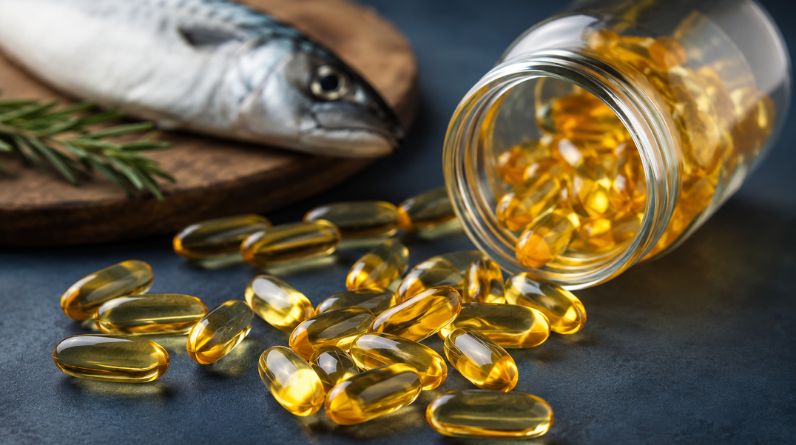
- Fish rich in omega-3 fatty acids
- Leafy green vegetables
- Nuts and seeds
- Citrus fruits
- Whole grains
- Lean protein sources
These foods provide nutrients such as zinc, selenium, vitamin C, vitamin E, and folate, which are associated with healthy reproductive function.
A consistent nutrient-rich diet helps provide the building blocks your body needs for optimal semen production.
Increase Zinc Intake
Zinc is one of the most important minerals for male reproductive health. It plays a role in testosterone production, sperm development, and semen quality.
Foods naturally high in zinc include:
- Oysters
- Beef
- Pumpkin seeds
- Chickpeas
- Cashews
- Turkey
Low zinc levels have been linked to reduced reproductive function in some men. Including zinc-rich foods regularly may help support healthy semen production.
Exercise Regularly
Regular physical activity can support hormone balance and improve overall health, both of which may positively influence semen volume.
Exercise helps:
- Support healthy testosterone levels
- Improve circulation
- Reduce stress
- Maintain healthy body weight
Strength training and moderate cardiovascular exercise are particularly beneficial. However, excessive exercise without proper recovery can sometimes negatively affect hormone balance.
A balanced fitness routine can contribute to better reproductive health and increased vitality.
Maintain Healthy Testosterone Levels
Testosterone is a key hormone involved in male reproductive function. Low testosterone levels can sometimes affect semen production, libido, and overall sexual health.
Natural ways to support healthy testosterone levels include:
- Getting enough sleep
- Exercising regularly
- Managing stress
- Maintaining a healthy weight
- Consuming adequate protein and healthy fats
Hormone balance plays an important role in supporting healthy semen volume and reproductive wellness.
Prioritize Quality Sleep
Sleep is essential for hormone production and recovery. During sleep, the body regulates many important biological processes, including testosterone production.
Men who consistently get poor sleep may experience:
- Reduced testosterone levels
- Lower energy
- Increased stress
- Impaired reproductive health
Most adults benefit from seven to nine hours of quality sleep each night. Improving sleep habits can support overall health and may positively impact semen production.
Reduce Chronic Stress
Long-term stress can negatively affect hormone levels and reproductive function. Elevated stress hormones may interfere with testosterone production and overall sexual health.
Effective stress-management techniques include:
- Meditation
- Deep breathing exercises
- Walking outdoors
- Yoga
- Regular exercise
- Spending time with family and friends
Reducing stress supports both mental and physical well-being while promoting a healthier hormonal environment.
Limit Alcohol Consumption
Excessive alcohol intake may negatively affect reproductive health and hormone balance. Heavy drinking has been associated with reduced testosterone levels and impaired sperm quality.
Moderate alcohol consumption or reducing alcohol intake altogether may help support healthy semen production and overall wellness.
Making healthier lifestyle choices often provides long-term benefits for reproductive health.
Avoid Smoking
Smoking exposes the body to harmful chemicals that can negatively affect sperm health and reproductive function.
Research has linked smoking with:
- Reduced sperm quality
- Lower sperm count
- Increased oxidative stress
Quitting smoking can improve overall health and may help support healthier reproductive function over time.
Maintain A Healthy Weight
Being overweight or obese can affect hormone levels and reproductive health. Excess body fat may contribute to hormonal imbalances that impact semen production.
Maintaining a healthy weight through proper nutrition and regular exercise can help support:
- Healthy testosterone levels
- Better energy levels
- Improved reproductive function
Even modest weight loss can provide meaningful health benefits for many men.
Include Healthy Fats In Your Diet
Healthy fats are essential for hormone production. Testosterone and other hormones rely on dietary fats for proper synthesis.
Good sources of healthy fats include:
- Avocados
- Olive oil
- Nuts
- Seeds
- Fatty fish
Including these foods as part of a balanced diet can support overall hormone health and reproductive function.
Consume Antioxidant-Rich Foods
Oxidative stress can affect sperm health and reproductive wellness. Antioxidants help protect cells from damage caused by free radicals.
Foods rich in antioxidants include:
- Blueberries
- Strawberries
- Spinach
- Kale
- Tomatoes
- Green tea
Adding a variety of colorful fruits and vegetables to your diet can help support reproductive health naturally.
Consider Specialized Men’s Health Supplements
Some men choose to support reproductive health with specialized men’s wellness supplements that contain vitamins, minerals, amino acids, and herbal ingredients.
For those interested in exploring additional support, products such as Semenax may be worth researching as part of a broader wellness strategy:
Remember that supplements work best when combined with healthy lifestyle habits, proper nutrition, and regular exercise.
Stay Sexually Healthy
Regular sexual activity may help maintain normal reproductive function. While frequency varies between individuals, maintaining a healthy sex life can be part of overall reproductive wellness.
It’s also important to practice safe sex and address any reproductive health concerns with a qualified healthcare professional.
Good reproductive health starts with overall physical and mental well-being.
Be Patient With Results
Natural improvements in semen volume typically do not happen overnight. The body requires time to respond to healthier habits, improved nutrition, and lifestyle changes.
Consistency is key. Men who focus on hydration, nutrition, exercise, sleep, and stress management often experience broader improvements in overall health, energy, and vitality over time.
Small daily improvements can lead to meaningful long-term benefits.
Conclusion
If you’re looking for ways to increase semen volume naturally, focusing on overall health is the most effective approach. Staying hydrated, eating nutrient-rich foods, exercising regularly, maintaining healthy testosterone levels, managing stress, and getting enough sleep can all support healthy semen production.
While individual results vary, adopting these healthy habits can improve reproductive wellness and overall vitality. Consistency, patience, and a commitment to a healthy lifestyle remain the foundation for achieving lasting results.