For many men, the journey to parenthood can be fraught with challenges, one of which is a low sperm count. It’s a condition that can cause significant stress and anxiety. However, the good news is that there are several natural methods that can help improve sperm health& How to increase sperm count naturally.
Maintaining a healthy lifestyle is crucial. This includes a balanced diet rich in antioxidants, regular exercise, and avoiding harmful substances like tobacco and excessive alcohol. Nutritional supplements and certain foods have also been shown to positively impact sperm count.
Understanding Male Fertility and Sperm Health
Understanding male fertility and sperm health is crucial for couples trying to conceive. Male fertility is a complex interplay of factors that determine a man’s ability to fertilize an egg. Sperm health, in particular, plays a vital role in this process.
Sperm count, motility, and morphology are key indicators of male fertility. A healthy sperm count is just one aspect; the sperm must also be able to move effectively towards the egg and have the right structure to fertilize it.
What is a Normal Sperm Count?
A normal sperm count is considered to be at least 15 million sperm per milliliter of semen. However, having a count within the normal range does not necessarily guarantee fertility, as other factors like sperm motility and morphology also play critical roles.
Common Causes of Low Sperm Count
Several factors can contribute to a low sperm count, including hormonal imbalances, certain medical conditions, lifestyle factors such as excessive alcohol consumption and smoking, and exposure to environmental toxins. Stress is also believed to potentially impact sperm count, although the exact mechanisms are still being researched.
Signs and Symptoms of Low Sperm Count
Often, a low sperm count does not present with noticeable symptoms. However, some men may experience signs such as decreased sex drive, erectile dysfunction, or swelling or pain in the testicles. If you’re experiencing difficulty conceiving, it’s essential to consult a healthcare provider for a comprehensive evaluation.
Maintaining a healthy lifestyle, including a balanced diet rich in vitamins for male fertility such as vitamin C and E, and managing stress, can support sperm health. Understanding these factors can help men take proactive steps towards improving their fertility.
How to Increase Sperm Count Naturally Through Lifestyle Changes
Lifestyle modifications play a crucial role in enhancing sperm health and fertility. By incorporating simple yet effective changes into daily routines, individuals can naturally improve their sperm count and overall reproductive health.
Exercise and Weight Management
Regular physical activity and maintaining a healthy weight are essential for optimal sperm production. Exercise has been shown to improve sperm count and motility by enhancing overall health and reducing oxidative stress. A balanced diet combined with regular exercise helps in maintaining a healthy weight, which is also linked to better sperm health.
Key Exercise Tips:
- Engage in moderate-intensity exercise, such as brisk walking or cycling, for at least 150 minutes per week.
- Incorporate strength training exercises to improve overall muscle mass and health.
- Avoid excessive exercise, as it can negatively impact sperm production.
Improving Sleep Quality
Getting adequate sleep is vital for reproductive health. Poor sleep quality can disrupt hormone levels, including testosterone, which is crucial for sperm production. Ensuring 7-8 hours of quality sleep per night can help improve sperm count and motility.
Does Stress Reduce Sperm Count?
High levels of stress can negatively impact sperm count and fertility. Chronic stress can alter hormone levels and reduce sperm production. Managing stress through various techniques can help mitigate its effects on fertility.
Stress Management Techniques for Fertility
Implementing stress-reducing practices can improve overall well-being and sperm health. Techniques such as meditation, yoga, and deep breathing exercises can help manage stress levels.
- Practice mindfulness meditation to reduce stress and improve mental clarity.
- Engage in yoga or tai chi to enhance physical and mental well-being.
- Use deep breathing exercises to calm the mind and body.
Avoiding Excessive Heat Exposure
Exposure to high temperatures can impair sperm production. Avoiding excessive heat, such as that from saunas or hot tubs, and wearing loose-fitting clothing can help maintain optimal testicular temperature.
| Heat Source | Potential Impact on Sperm | Prevention Tips |
| Saunas and Hot Tubs | Can significantly raise testicular temperature, impairing sperm production. | Limit or avoid use, especially during fertile periods. |
| Tight Clothing | Increases scrotal temperature, potentially reducing sperm count. | Wear loose-fitting underwear and clothing. |
| Laptops on Lap | Can slightly increase scrotal temperature. | Use a lap desk or tray to keep laptops off the lap. |
Quitting Smoking and Limiting Alcohol
Smoking and excessive alcohol consumption can negatively impact sperm health. Quitting smoking and limiting alcohol intake can improve sperm count and overall fertility.
“Quitting smoking is one of the most significant steps you can take to improve your overall health, including your reproductive health.” – American Cancer Society
By implementing these lifestyle changes, individuals can naturally improve their sperm count and enhance their fertility. It’s about making sustainable choices that promote overall health and well-being.
Foods That Increase Sperm Count
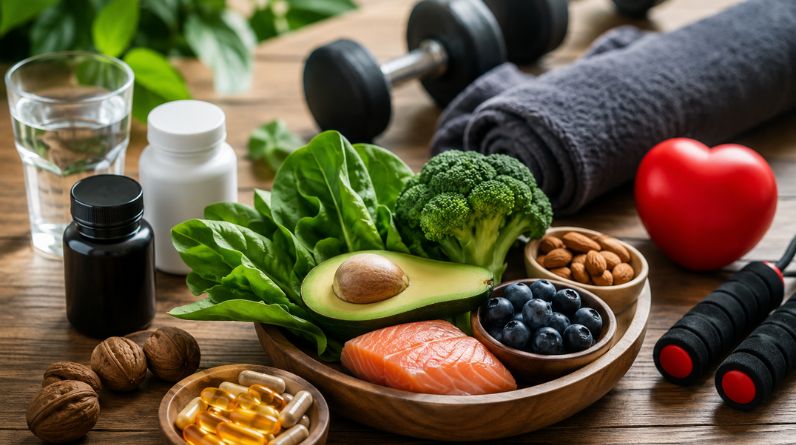
Eating the right foods can boost sperm count and overall fertility. A diet rich in essential nutrients not only improves sperm health but also enhances overall well-being. Certain foods have been identified as particularly beneficial for male fertility.
Antioxidant-Rich Foods for Sperm Health
Antioxidants play a crucial role in protecting sperm from oxidative stress, which can damage DNA and impair fertility. Foods high in antioxidants include berries, leafy greens, and other fruits and vegetables. Incorporating these foods into your diet can help improve sperm count and motility.
Berries such as blueberries and strawberries are rich in vitamin C, a powerful antioxidant. Leafy greens like spinach are packed with folate, which is essential for sperm health.
Omega-3 Fatty Acids Sources
Omega-3 fatty acids are vital for maintaining healthy sperm membranes and improving sperm motility. Foods rich in omega-3s include fatty fish, nuts, and seeds. Adding these to your diet can support sperm health.
- Fatty fish like salmon and sardines
- Nuts and seeds such as walnuts and chia seeds
Zinc and Selenium-Rich Foods
Zinc and selenium are minerals that are crucial for sperm production and health. Zinc-rich foods include oysters, beef, and chicken, while selenium can be found in Brazil nuts, fish, and turkey. Including these foods in your diet can help boost sperm count.
Oysters are particularly noted for their high zinc content, making them a beneficial choice for men looking to improve their fertility.
Foods to Avoid for Optimal Fertility
Just as certain foods can improve sperm count, others can negatively impact fertility. It’s essential to limit or avoid foods high in processed meats, saturated fats, and excessive sugar. Maintaining a balanced diet is key to supporting sperm health.
Avoiding excessive alcohol consumption and processed foods can also contribute to better fertility outcomes.
Vitamins and Supplements for Male Fertility
Male fertility is significantly influenced by nutritional factors, with certain vitamins and supplements showing promise in enhancing sperm count and quality. A well-balanced diet combined with targeted supplementation can support sperm health and overall fertility.
Essential Vitamins for Sperm Production
Vitamins play a crucial role in sperm production and health. Vitamin D, for instance, has been linked to improved sperm motility. Folate is another essential vitamin, as it helps in the synthesis of DNA and other genetic material. Ensuring adequate intake of these vitamins through diet or supplements is vital.
- Vitamin D: Found in fatty fish, fortified dairy products, and sunlight exposure.
- Folate: Abundant in leafy greens, legumes, and fortified cereals.
Best Supplements for Sperm Count
Several supplements have been identified as beneficial for sperm count. Zinc is crucial for testosterone production and sperm development. Antioxidants like Vitamin C and E help protect sperm from oxidative stress. Other beneficial supplements include Coenzyme Q10 (CoQ10) and L-Carnitine, which support energy production within sperm.
| Supplement | Benefit | Food Sources |
| Zinc | Testosterone production, sperm development | Oysters, beef, chicken |
| CoQ10 | Energy production within sperm | Fatty fish, meat, whole grains |
| L-Carnitine | Improves sperm motility | Red meat, dairy products, avocados |
How to Improve Sperm Motility Naturally
Sperm motility is a critical factor in male fertility. Besides vitamins and supplements, lifestyle changes such as regular exercise, maintaining a healthy weight, and avoiding excessive heat can improve motility. Certain nutrients like Omega-3 fatty acids also support sperm health.
Supplements Specifically for Motility
L-Carnitine and CoQ10 are particularly beneficial for improving sperm motility. These supplements work by enhancing the energy production within sperm, thereby improving their ability to move effectively.
Proper Dosage and Timing
When it comes to supplementation, proper dosage and timing are crucial. It’s essential to consult with a healthcare provider to determine the best regimen. Generally, consistency is key, and supplements should be taken as directed to achieve optimal benefits.
By incorporating the right vitamins and supplements into their daily routine, men can take a proactive approach to enhancing their fertility and overall sperm health. Learn more men’s health tips at HealthyTipsForMen.com
Conclusion
Boosting sperm count naturally requires a multi-faceted approach that incorporates lifestyle changes, a balanced diet, and essential vitamins and supplements. By understanding the importance of male fertility and sperm health, individuals can take proactive steps to improve their reproductive well-being.
Incorporating foods that increase sperm count, such as antioxidant-rich foods and omega-3 fatty acids sources, can significantly enhance sperm quality. Additionally, vitamins for male fertility, including zinc and selenium, play a crucial role in sperm production and motility.
By implementing these natural methods and maintaining a healthy lifestyle, individuals can build a sustainable plan for sperm health. This comprehensive approach will not only improve sperm count but also overall fertility, empowering individuals to take control of their reproductive health.
FAQ
What are some natural ways to boost sperm count?
Incorporating antioxidant-rich foods, omega-3 fatty acids, zinc, and selenium into your diet can help. Additionally, maintaining a healthy weight, exercising regularly, managing stress, and getting adequate sleep can also contribute to a healthy sperm count.
Are there any specific vitamins that can help improve sperm count?
Yes, vitamins such as vitamin C, vitamin E, and folate are known to support sperm health. Vitamin D and zinc are also crucial for sperm production and motility. Explore natural fertility support at NaturalHealthSource.com
Does stress really affect sperm count?
Yes, high levels of stress can negatively impact sperm count and motility. Engaging in stress-reducing activities like meditation, yoga, or deep breathing exercises can help mitigate this effect.