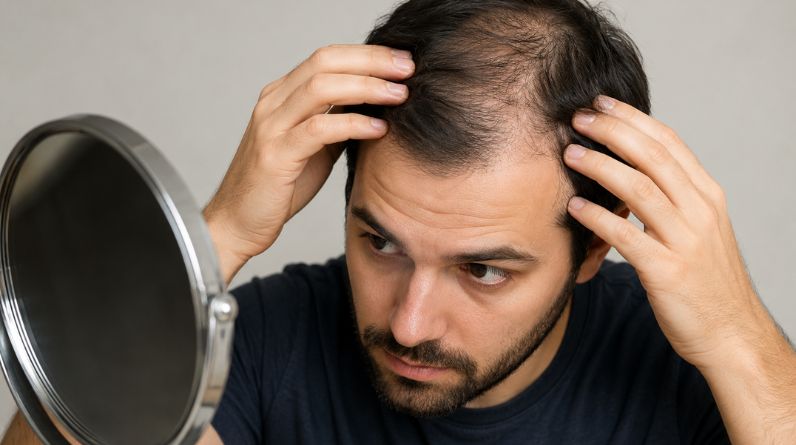
I used to think lifting weights alone would keep my hormones in check—until my energy dipped, fat crept up, and my results stalled. That’s when I started learning how to reduce estrogen in men naturally, and honestly, it changed how I eat and train for good. Once I understood the estrogen dominance in men and the signs of high estrogen in men, things finally clicked. In this article, I’ll break down how diet and exercise shape hormones, share natural ways to lower estrogen in men, and show you simple, real-life lifestyle changes to lower estrogen in men that actually work—starting today.
Understanding Testosterone and Estrogen in Men
Hormones can seem complicated, but once you understand the basics, everything gets clearer. I’ve seen how small changes in food, training, and sleep can shift hormones fast. Testosterone and estrogen work together, not against each other.
When hormones feel off, fixing one habit isn’t enough. I explain this more clearly in my guide on how diet and exercise impact testosterone levels, where I break down how training and nutrition work together to support hormone balance.
What Testosterone Does in the Male Body
Testosterone is what helps you build muscle, feel strong, and stay focused. It supports libido, energy, confidence, and mental sharpness. When my testosterone was healthy, workouts felt effective and daily life felt easier. Recovery was faster, and I didn’t feel wiped out after training.
It also plays a major role in performance and recovery. Testosterone helps repair muscle and adapt to stress from exercise. When levels drop, progress slows and soreness lingers longer than it should.
Why Estrogen Matters for Men Too
Most men don’t realize estrogen has a role in male health. In small amounts, it supports bone strength, joints, and brain function. The goal isn’t to eliminate estrogen, but to keep it in check.
Problems begin when estrogen becomes too dominant. This imbalance can lead to fat gain, low motivation, and mental fog. Understanding this balance helped me see why diet and lifestyle matter so much for long-term hormone health.
Signs of High Estrogen in Men
One of the earliest signs I noticed was stubborn fat around the chest and belly. Even with solid workouts and clean eating, those areas refused to lean out. This type of fat gain is a common sign of high estrogen in men.
Low motivation often comes next. You may still go through the motions, but drive and libido feel lower than normal. These high estrogen symptoms in men are easy to dismiss until they start affecting daily life.
Mood swings and brain fog can also show up. Feeling unfocused, irritable, or mentally slow is often tied to hormone imbalance. Many men experience this before they realize estrogen is involved.
Finally, gym progress can stall despite real effort. You train hard, but strength and muscle gains don’t move. From experience, this is often a hormone issue, not a training problem.
Estrogen Dominance in Men – Common Causes
Estrogen dominance doesn’t happen overnight. It usually builds slowly through daily habits most men don’t think twice about. Understanding these causes helped me spot what was quietly working against my hormones.
Poor Diet Choices
Highly processed foods are one of the biggest triggers. They’re low in nutrients and often mess with hormone balance. Excess sugar and regular alcohol intake make it worse by increasing fat storage, which raises estrogen levels over time.
Sedentary Lifestyle
Sitting too much slows metabolism and promotes fat gain. Less movement means less natural hormone regulation. Without regular resistance training, the body loses one of its strongest signals to support healthy testosterone.
Chronic Stress & Poor Sleep
Constant stress keeps cortisol high. When cortisol stays elevated, hormone balance suffers. Poor sleep only amplifies this, making estrogen dominance harder to reverse.
How Diet Impacts Testosterone Levels
What you eat every day sends a clear signal to your hormones. I learned the hard way that training alone isn’t enough if diet is off. When food quality improved, testosterone support and hormone balance followed.
For men who want to explore evidence-based natural approaches, I always suggest checking trusted natural health resources like Natural Health Source for deeper education on hormone and lifestyle support.
Foods That Support Testosterone Production
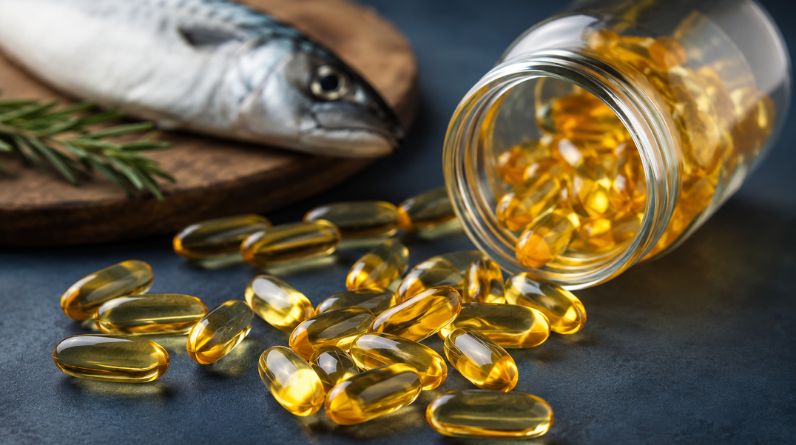
Healthy fats are essential for testosterone. I focus on foods like eggs, olive oil, nuts, and fatty fish. Quality protein also matters, especially from whole food sources that support muscle and recovery.
Micronutrients play a quiet but important role. Zinc and magnesium help hormone function and recovery, especially if training is intense. Even small deficiencies can slow progress.
Foods That Reduce Estrogen in Males
Certain foods help the body clear excess estrogen naturally. Cruciferous vegetables like broccoli and cauliflower support estrogen metabolism. Fiber-rich foods help the body remove unused hormones instead of recycling them.
Clean protein sources also make a difference. I personally stick to lean meats, eggs, and fish most days. This simple approach supports testosterone while helping keep estrogen in check.
How Exercise Impacts Testosterone Levels
Exercise is one of the strongest tools men have for hormone health. I’ve seen testosterone respond faster to training changes than almost anything else. The key is training with purpose, not just burning calories.
Resistance Training vs Cardio
Lifting weights, especially compound movements like squats, presses, and rows, sends a powerful signal to boost testosterone. Heavy but controlled training works best. Too much cardio or constant high-volume training can backfire and lower hormone levels.
Overtraining is a real issue many men overlook. When recovery is ignored, cortisol rises and testosterone drops. Progress comes from smart training, not nonstop effort.
Exercise Habits That Lower Estrogen
Fat loss plays a major role in estrogen control. Less body fat means less estrogen production. Resistance training supports this while protecting muscle.
Exercise also improves insulin sensitivity. When blood sugar stays stable, hormones stay more balanced. This is one reason consistent training supports long-term hormone health.
Natural Ways to Lower Estrogen in Men
Lowering estrogen doesn’t require extremes. Simple daily habits make a real difference. These are some of the most effective natural ways to lower estrogen in men.
- Eat whole foods to support hormone balance
- Lift weights regularly to boost testosterone
- Limit alcohol to avoid estrogen spikes
- Manage stress to keep hormones steady
Lifestyle Changes to Lower Estrogen in Men
Lifestyle matters more than most men realize. I’ve seen hormones improve just by fixing sleep, stress, and daily routines. These small shifts are powerful lifestyle changes to lower estrogen in men.
Sleep, Stress, and Daily Habits
Quality sleep is non-negotiable for hormone balance. Poor sleep raises stress hormones and disrupts estrogen control. Morning sunlight helps reset your body clock and supports healthier hormone rhythms.
Limiting endocrine disruptors also helps. Using cleaner food containers and personal products reduces hidden hormone stress. These changes seem small but add up over time.
How to Balance Hormones in Men Naturally
Hormone health comes from consistency, not perfection. Missing a workout or meal won’t break progress. What matters is showing up most days.
Small habits compound quickly. Better sleep, smarter food choices, and regular training work together to create long-term balance.
How Diet and Exercise Work Together
For a long time, I focused on diet alone and expected my hormones to fix themselves. Eating clean helped, but progress stalled. Food sets the foundation, yet without training, the hormonal signal stays weak.
I’ve also seen the opposite happen. Men train hard but ignore nutrition, then wonder why energy and results fade. Exercise creates demand, but diet supplies the tools hormones need to respond.
When diet and exercise work together, everything changes. Strength goes up, fat comes down, and hormones start to balance. This synergy is where testosterone rises and estrogen naturally falls, and it’s the shift that finally made my progress stick.
Common Myths About Testosterone and Estrogen
One common myth is that only supplements can fix hormones. In reality, supplements support habits, they don’t replace them. Diet, training, sleep, and stress management do most of the heavy lifting.
Another myth is that more cardio is always better. Too much cardio can raise stress hormones and work against testosterone. Balance matters more than burning calories.
Many also believe hormone problems only affect older men. I’ve seen younger men struggle too, often from poor diet, stress, and lack of strength training. Hormone balance matters at every age.
Final Thoughts
What I’ve learned over time is that hormones reflect how you live, not just what you take. When I stopped chasing quick fixes and focused on daily habits, everything started to improve. Energy came back, workouts felt productive, and progress finally made sense.
Hormones are lifestyle-driven. Food choices, movement, sleep, and stress shape them every day. You don’t need perfection to see results—just consistency.
Start with simple, sustainable changes. Eat better, train smart, rest well, and manage stress. Those basics, done daily, are what create long-term hormone balance and real strength.