


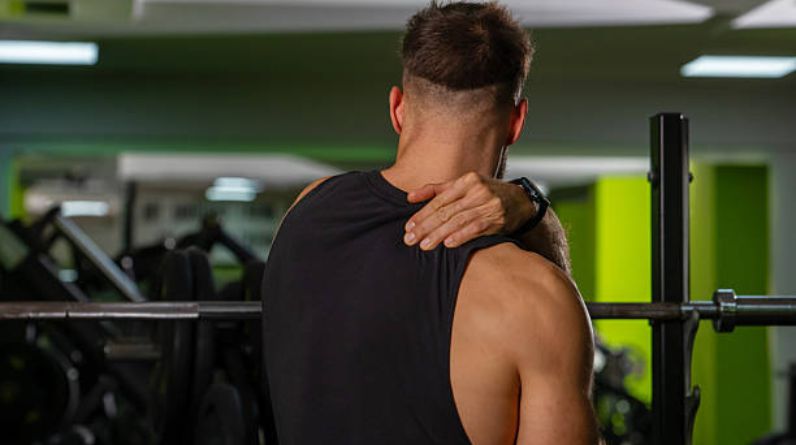
The first time I lifted weights seriously, I could barely sit down the next day—and that’s when I started learning how to reduce soreness after lifting weights the right way. At first, I thought that pain meant progress, but I quickly realized muscle soreness after workout relief isn’t about suffering—it’s about recovering smart. Over the years, through trial, error, and real results, I’ve learned what actually helps, how long does muscle soreness last, and what just wastes time. In this guide, I’ll share the most practical, proven ways to recover faster after lifting weights, based on real experience—not hype. If you want to train hard, feel better, and keep showing up strong, this is for you.
What Causes Muscle Soreness After Lifting Weights
Muscle soreness after lifting weights happens because training stresses muscle fibers. That stress creates tiny damage, and the body repairs it to make muscles stronger. I used to think soreness meant something went wrong. Experience taught me it’s a normal part of progress and adaptation.
What Is DOMS (Delayed Onset Muscle Soreness)
DOMS is the stiffness and pain that shows up one to three days after lifting. It comes from muscle repair, especially after slow or controlled movements. The soreness builds over time as blood flow and inflammation increase. That delayed feeling surprises many people the first time it happens.
Why Men Feel Sorer After Certain Workouts
Some workouts create more soreness because they place higher tension on muscles. Heavy compound lifts and slow negatives work large muscle groups hard. New exercises also increase soreness because the body has not adapted yet. High training volume without enough recovery adds to the problem.
How Long Does Muscle Soreness Last?
Muscle soreness usually lasts between one and three days after lifting weights. The tightness often builds slowly, peaks around the second day, then fades as the body repairs the muscle. Early on, I worried something was wrong every time soreness lingered. With experience, I learned this timeline is normal for most workouts.
Soreness that lasts longer than a few days often points to poor recovery or too much training stress. Lack of sleep, dehydration, and repeated hard sessions slow the healing process. I’ve noticed longer soreness after weeks where recovery took a back seat. Fixing rest and nutrition usually brings things back to normal.
Age and habits also change how long soreness sticks around. As I got older, recovery demanded more intention, not less training. Better sleep, lighter volume, and planned rest days made a real difference. Smart recovery keeps soreness from dragging on.
How to Reduce Soreness After Lifting Weights
Reducing soreness after lifting weights starts with how you treat your body once the workout ends. Early on, I made the mistake of doing nothing and hoping soreness would disappear. What actually helped was staying gently active and supporting recovery on purpose. Small habits made a bigger difference than extreme fixes.
Move, Don’t Freeze (Active Recovery Works)
Light movement helps sore muscles heal faster. Easy walking increases blood flow and brings oxygen and nutrients to tired muscles. A short walk the day after lifting has helped me feel looser instead of stiff. Movement keeps soreness from settling in.
Simple mobility work also supports recovery. Gentle stretches and joint circles keep muscles from tightening up. Total rest sounds smart, but staying completely still often makes soreness feel worse. The body recovers better with light motion than with inactivity. Building a simple recovery routine can help you recover muscles faster after workouts and reduce soreness over time.
Hydration & Electrolytes Matter More Than You Think
Dehydration makes muscle soreness feel stronger and last longer. Muscles need fluids to repair and relax after training. I noticed soreness drop once I paid attention to hydration instead of guessing. Water alone helped, but electrolytes made an even bigger difference.
A simple hydration rule works well for most men. Drink water consistently throughout the day, not just around workouts. Add electrolytes during hard training or heavy sweating days. Proper hydration supports faster recovery after lifting weights.
Eat for Recovery, Not Just Muscle
Food plays a major role in reducing soreness. Protein supports muscle repair, especially when spread across meals. I stopped chasing huge shakes and focused on steady protein intake. That change alone improved recovery.
Carbs help refill energy stores and calm the nervous system after training. Whole foods like rice, potatoes, and fruit work well. Anti-inflammatory foods such as berries, olive oil, and leafy greens support healing. Eating for recovery keeps soreness manageable and training consistent.
Ways to Recover Faster After Lifting Weights
Recovering faster after lifting weights depends more on daily habits than quick fixes. I spent years chasing shortcuts, only to learn that recovery responds best to simple, repeatable routines. When recovery improves, soreness fades faster and workouts feel stronger. The basics truly matter.
Sleep quality plays a bigger role than total hours alone. Deep, uninterrupted sleep allows the body to repair muscle and calm inflammation. I noticed better recovery once I focused on sleep routines instead of just time in bed. Better sleep leads to faster healing.
A short post-workout cooldown helps muscles settle after training. Easy movement and breathing bring the heart rate down and support circulation. Skipping cooldowns used to leave me tight and sore longer. Adding even five minutes made recovery smoother.
Consistency beats intensity for long-term recovery. Training hard every session creates lingering soreness. Training smart and steady allows the body to adapt. Progress comes faster when recovery stays ahead of fatigue.
How to Reduce DOMS Naturally
Reducing DOMS naturally comes down to supporting the body instead of fighting it. I used to throw every trick at soreness and hope something worked. Over time, I learned that simple, natural habits beat extreme methods. The goal is to help muscles relax and repair on their own.
Stretching—When It Helps and When It Doesn’t
Stretching helps most when it stays gentle and controlled. Dynamic movements and light mobility work increase blood flow and reduce stiffness. Long, aggressive static stretching often made my soreness worse. Keeping movement easy worked better.
After leg day, I focus on light mobility instead of forcing stretches. Hip circles, easy lunges, and slow walking loosen things up. This approach keeps muscles relaxed without adding more stress. Less effort brings better results.
Heat, Cold, or Nothing?
Cold therapy gets a lot of attention, but it does not always help DOMS. Ice may numb pain short term, yet it does little for long-term recovery. I found it made muscles feel stiff afterward. That relief rarely lasted.
Heat supports relaxation and blood flow. Warm showers or heating pads help muscles loosen and feel more comfortable. My honest take is simple: heat helps most people more than ice. The best option remains listening to the body and keeping recovery simple.
Best Recovery Tips After Strength Training
The best recovery tips after strength training focus on working with your body, not against it. Early on, I believed harder training always led to better results. Experience taught me that smart training keeps soreness lower and progress steady. Recovery improves when effort stays intentional.
Training smarter means managing volume and intensity. Pushing every set to the limit drains recovery fast. Leaving a little energy in the tank allows muscles to heal and grow. This approach keeps soreness from stacking up week after week.
Progressive overload works best when it stays gradual. Small increases in weight, reps, or sets give the body time to adapt. Jumping too fast leads to unnecessary soreness and setbacks. Slow progress builds long-term strength.
Should I Work Out When Muscles Are Sore?
Working out with sore muscles depends on how the body feels and moves, not on pushing through pain. Mild soreness often feels tight but manageable, and movement still feels natural. I’ve trained many times with light soreness and felt better afterward. Gentle training can increase blood flow and reduce stiffness.
Soreness becomes a stop sign once it affects form or control. Pain that changes how a lift feels usually leads to poor movement and higher injury risk. I’ve learned the hard way that forcing workouts through pain only delays progress. Rest protects long-term strength.
Signs You Should Train
Mild stiffness that loosens up with movement usually responds well to light training. The body still feels coordinated and balanced. Full range of motion stays available without pain. Training at lower intensity often helps muscles feel better later in the day.
Signs You Should Rest
Sharp or deep pain signals that recovery needs more time. Strength feels noticeably reduced and movements feel unstable. Joint discomfort adds another warning sign. Rest allows the body to repair fully and return stronger for the next session.
Along with sleep and nutrition, some men choose natural supplements for muscle recovery from trusted sources like Natural Health Source to support overall recovery.
How to Prevent Soreness After Exercise
Preventing soreness after exercise starts before the workout even begins. I used to jump straight into heavy sets and pay for it later. A proper warm-up prepares muscles and joints for stress. Even a few minutes of movement reduces stiffness afterward.
Controlling training volume keeps soreness from building up. More sets and reps do not always lead to better results. I saw better progress once I focused on quality instead of quantity. Managing volume protects recovery and performance.
Planned recovery days matter as much as training days. Skipping rest leads to lingering soreness and burnout. Scheduling recovery keeps the body fresh and consistent. Prevention works best with intention.
Common Muscle Soreness Myths
The idea that “no pain, no gain” still sticks around, but it misses the truth. Progress comes from consistent training and proper recovery, not constant discomfort. I chased pain early on and stalled fast. Results improved once I stopped measuring success by soreness.
The belief that more workouts equal faster results often leads to burnout. Training hard without enough recovery slows progress and increases soreness. I made better gains training fewer days with more focus. Recovery allows strength to build.
Soreness does not guarantee muscle growth. Muscles grow from repeated, progressive effort over time. Some of my best training phases came with very little soreness. Growth shows up in strength and consistency, not pain.
Final Thoughts
Soreness is feedback, not failure. It shows how the body responds to training and recovery habits. Over the years, I learned to listen to soreness instead of fighting it. That shift made training more sustainable and effective.
My biggest takeaway from years of lifting is simple. Progress comes from showing up consistently, not from pushing through pain. Recovery supports strength just as much as effort.


