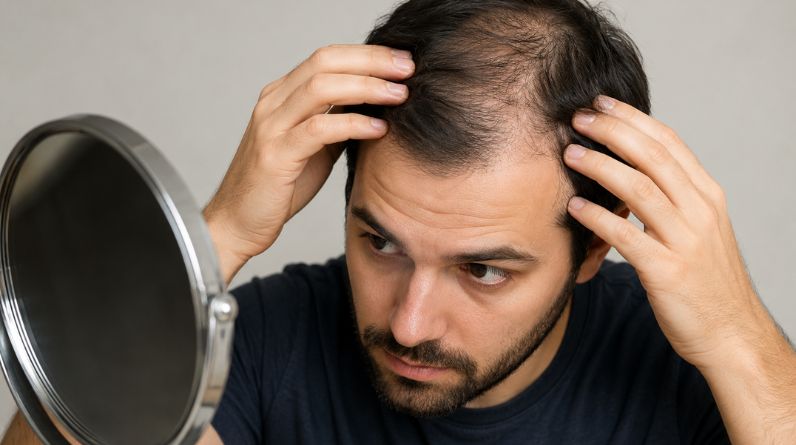
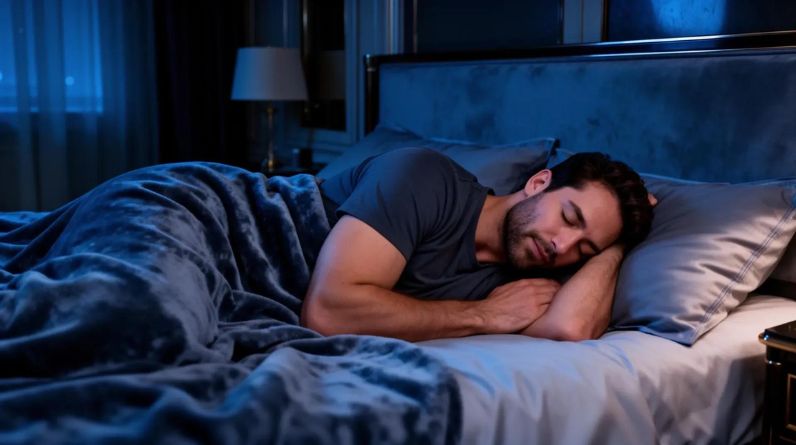
Some nights, coffee feels like the easy answer. I’ve been there too—staring at a screen late at night, wired but anxious, knowing caffeine will steal tomorrow’s sleep. That’s when I started learning how to stay awake without caffeine at night, and honestly, it changed how I handle late work and focus. Over time, I found simple, caffeine-free ways to stay awake that help me stay alert without caffeine and still sleep well later. In this guide, I’ll share the natural ways to stay awake at night that work for me, especially when I need focus without coffee, energy drinks, or next-day regret.
Why Staying Awake at Night Without Caffeine Is Hard for Men
Staying awake at night without caffeine is hard because your body clock is built for rest. When it gets dark, your brain naturally slows you down. This drop in alertness happens even if you feel motivated. In short, your body is wired to sleep at night.
Caffeine works fast, but it backfires just as fast. It blocks tired signals for a while, then leads to crashes, anxiety, or poor sleep. I learned this the hard way after late-night coffee ruined my next day. Short-term energy often costs long-term focus.
Men also face mental fatigue before physical fatigue. Your body may feel okay, but your focus fades first. That’s why pushing harder rarely works at night. The key is learning how to stay awake without caffeine at night by working with your brain, not against it.
Stay Awake Naturally at Night (My Go-To Foundations)
Light exposure and environment control
Light tells your brain whether it’s time to wake up or slow down. When I work at night, I keep the room bright and avoid warm, dim lighting. Cool white light helps me stay awake naturally at night by keeping my brain alert. A simple lamp change can boost focus fast.
Movement vs sitting fatigue
Sitting too long drains energy faster than real work does. When I feel heavy or foggy, I stand up or walk for two minutes. This quick movement wakes up my nervous system. It’s one of the easiest natural ways to stay awake at night.
Hydration and oxygen intake
Dehydration feels like tiredness, but it’s not the same thing. I sip water and take slow, deep breaths when energy drops. More oxygen helps the brain stay sharp. This small habit helps me stay alert without caffeine almost every time.
How to Stay Alert Without Caffeine (Mental Focus Techniques)
Short focus sprints instead of long pushes
Long work sessions drain the brain fast at night. I work in short bursts of focus, then pause for a minute. This keeps my mind sharp without forcing it. It’s one of the best ways to stay alert without caffeine.
Breathing techniques that boost alertness
Shallow breathing makes fatigue worse. When my focus drops, I slow my breath and breathe deeper through my nose. This sends more oxygen to the brain. It often works better than coffee for mental clarity.
Temperature hacks (cold water, airflow)
Warm rooms make you sleepy fast. I splash cold water on my face or open a window for fresh air. The temperature shift wakes up the nervous system. This helps me stay awake at night without overstimulation.
Staying alert without caffeine also means keeping the mind calm. Learning how to stop overthinking and relax helped me stay focused without feeling wired.
Natural Ways to Stay Awake at Night Without Coffee
Strategic snacks for nighttime alertness
Food can help you stay awake without coffee if you choose it right. I stick to light snacks that give steady energy, not heaviness. A small portion is enough to stay awake at night without coffee. This keeps focus up without slowing digestion.
Protein vs sugar crashes
Sugar gives quick energy, then drops you hard. I learned that the crash feels worse at night. Protein keeps my mind steady and calm. That’s one of the most reliable natural ways to stay awake at night.
Timing food without disrupting sleep later
Late eating can hurt sleep if the timing is off. I stop eating heavy food well before I plan to rest. Light snacks earlier help me stay alert now and sleep later. This balance protects next-day energy.
Caffeine-Free Ways to Stay Awake That Don’t Wreck Sleep
Why overstimulation ruins next-day performance
Overstimulation keeps you awake, but it steals recovery. I’ve noticed that pushing too hard at night makes the next day feel foggy. Your brain stays switched on when it should power down. The short answer: overstimulation today equals low performance tomorrow.
Nervous system balance for men
Men often try to force energy instead of managing it. I focus on calm alertness, not hype. This keeps my nervous system steady. Balanced energy is one of the safest caffeine-free ways to stay awake.
Alert now, calm later philosophy
I aim to stay sharp without staying wired. That means no late spikes that linger. This approach helps me work late and still sleep well. It’s the cleanest way to protect long-term focus.
How to Stay Awake at Night Without Energy Drinks
Why energy drinks are worse than coffee at night
Energy drinks hit fast and crash harder. I learned they mess with sleep more than coffee ever did. The sugar and stimulants linger for hours. That’s why avoiding them is key.
Natural alternatives that actually work
Simple habits work better than cans and powders. Light movement, water, and fresh air help me stay awake at night without energy drinks. These tools wake the brain without shaking the system. They feel clean and controlled.
What to avoid after midnight
After midnight, I avoid sugar, heavy food, and bright screens. These keep the brain wired too long. Cutting them early makes a big difference. Less stimulation now means better sleep later.
Staying Awake Late Without Affecting Sleep the Next Day
Cut-off strategies (when to stop stimulation)
Every late night needs a stop point. I set a clear time to end stimulation. This tells my brain that sleep is coming. It’s the fastest way to recover later.
Wind-down transition after staying awake
I don’t jump straight from work to bed. I slow things down in stages. Lower light and quiet time help the brain switch gears. This supports staying awake late without affecting sleep.
How I protect next-day energy even after late nights
I protect mornings by keeping nights clean. No late caffeine. No hard crashes. This habit keeps my energy steady the next day.
When You Should NOT Try to Stay Awake
Listening to your body
Some nights, tiredness is a warning. I’ve learned to respect that signal. Pushing through it often leads to mistakes. Rest is sometimes the smart move.
Performance vs burnout
Staying awake should serve performance, not destroy it. If late nights become constant, burnout follows. I treat late work as a tool, not a habit. Knowing when to stop keeps progress sustainable.
Final Thoughts
Staying awake without caffeine is not about fighting your body. It’s about control and discipline. When you manage light, movement, food, and focus, you stay sharp without losing tomorrow. That kind of balance is real performance.
Quitting night caffeine changed how I work and recover. My focus became calmer, and my sleep improved fast. I stopped waking up tired and wired at the same time. Late nights no longer ruined the next day.
Once you treat alertness as a skill, everything shifts. You learn when to push and when to slow down. That awareness builds strength, not burnout.