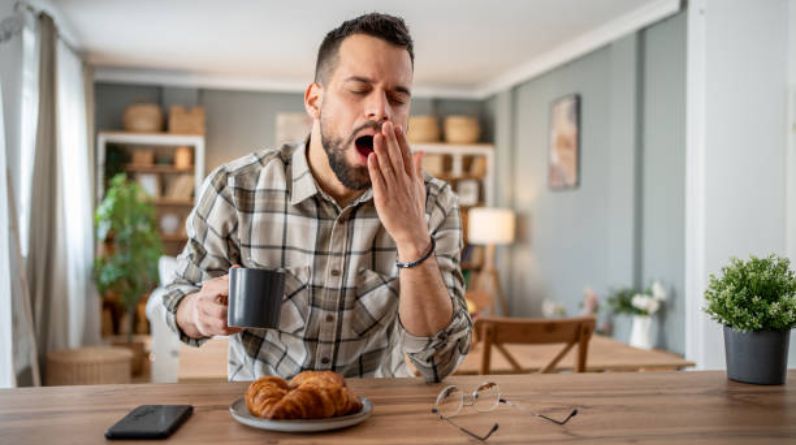
I used to wonder how to stop feeling sleepy after eating because almost every meal left me slow, foggy, and useless for an hour. It felt confusing—why do I feel sleepy after eating when food is supposed to give energy, not drain it? After dealing with post meal fatigue and the classic food coma after eating, I realized it wasn’t laziness at all, but an energy crash after meals caused by simple habits. In this article, I’ll show you what actually worked for me, why blood sugar crashes matter, and how to stay awake after eating without forcing caffeine or willpower.
Why Do I Feel Sleepy After Eating?
You feel sleepy after eating because digestion pulls energy away from your brain and muscles. I used to think it was low motivation, but it’s simply how the body prioritizes digestion. When this shift happens, alertness drops for a while. That’s why the sleepiness feels sudden.
Post Meal Fatigue Explained Simply
Post meal fatigue happens when your body sends blood and energy to the stomach instead of the brain. I notice it most when I eat too fast or don’t pay attention to portions. The body works harder to digest, and focus takes a hit. This reaction is common but manageable.
Food Coma After Eating — What’s Really Happening
A food coma after eating usually comes from heavy meals and fast digestion. Large portions, especially refined carbs, spike energy and then crash it. I felt this most after big lunches that left me drained. Small changes in meal size reduced it quickly.
The Real Causes of Feeling Tired After Meals
Feeling tired after meals usually comes down to how your body handles energy, not a lack of willpower. I saw this pattern clearly once I paid attention to what I ate and how I felt after. Certain foods and habits quietly drain energy instead of fueling it. Once you spot them, the fix becomes much easier.
Blood Sugar Crash After Eating
A blood sugar crash after eating happens when glucose rises fast and drops just as fast. I felt this most after meals that gave me a quick boost, then left me flat. That crash forces your body into low-energy mode. Instead of steady fuel, you get fatigue.
Energy Crash After Meals From Food Choices
An energy crash after meals often starts with what’s on the plate. Refined carbs digest fast and hit hard. Large portions demand more digestion work. Low protein and low fiber meals fail to slow energy release, which makes tiredness show up fast.
Common Eating Mistakes Men Make That Cause Sleepiness
Sleepiness after meals is often caused by small habits men repeat daily without noticing. I made most of these mistakes myself before fixing my energy. These habits stack up and quietly trigger fatigue. Changing them brought fast improvement.
- Eating too fast
- Overeating at lunch
- Skipping hydration
- Sitting immediately after meals
Fixing even one of these made a clear difference in how alert I felt after eating.
How to Stop Feeling Sleepy After Eating (What Actually Worked for Me)
Learning how to stop feeling sleepy after eating came down to changing small habits, not forcing energy. I stopped blaming food and started watching patterns. Once I adjusted how I ate and what I did after meals, the crash faded. The fix was simpler than I expected.
Simple Meal Tweaks That Prevent Food Coma
Portion control was the first win. Eating a bit less kept digestion from overwhelming my system. Adding protein and fiber slowed energy release and reduced the food coma after eating. Slowing down meals helped my body keep energy steady instead of crashing.
Post-Meal Habits That Keep You Awake
Light walking after meals kept blood moving and cleared my head fast. Sitting tall and breathing deeply helped digestion without draining focus. Avoiding screens right after eating stopped that heavy, sleepy pull. These habits kept me alert without effort.
How to Stay Awake After Eating Without Caffeine
Caffeine isn’t a real fix because it masks fatigue instead of fixing it. I learned that movement, hydration, and meal balance preserve energy better. These habits support focus without spikes or crashes. That’s how you stay awake after eating naturally.
Strength & Performance Perspective
Midday energy affects training quality more than motivation ever will. Post-meal crashes kill productivity and weaken workouts. When energy stays stable, performance improves automatically. Consistency becomes easier when energy isn’t fighting you.
What I Changed That Finally Fixed My Post-Meal Fatigue
It didn’t work was forcing coffee or pushing through exhaustion. Made it worse was overeating and sitting still after meals. The small change that worked long-term was eating lighter lunches and moving right after. Consistency mattered more than perfection, and that’s what finally ended my post-meal fatigue.
Conclusion
Feeling sleepy after eating isn’t weakness or age. It’s how your body handles energy. Once I understood that, fixing it became simple. I stopped fighting fatigue and started managing it.
Small changes made the biggest difference. Lighter meals, slower eating, and brief movement kept my energy steady. Focus improved, workouts felt better, and afternoons stopped dragging.
Pay attention to how food affects you. Adjust without restriction or extremes. With awareness and consistency, daily energy becomes easier to maintain.
FAQs
Why does eating make me tired instead of energized?
Digestion pulls energy away from the brain. Heavy or fast-digesting meals increase this effect. Alertness drops for a short time.
Is a food coma after eating normal?
Yes, it’s common after large or heavy meals. The body works harder to digest, which creates that sluggish feeling.
What foods cause energy crashes after meals?
Refined carbs, sugary foods, and large portions. Low protein and low fiber meals digest too fast and crash energy.
How to stop feeling sleepy after eating at work?
Eat lighter meals and move for a few minutes after. Stay hydrated and avoid sitting right away.