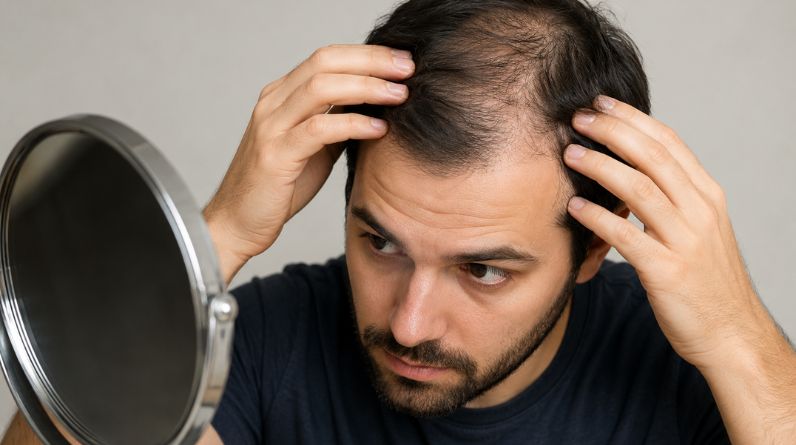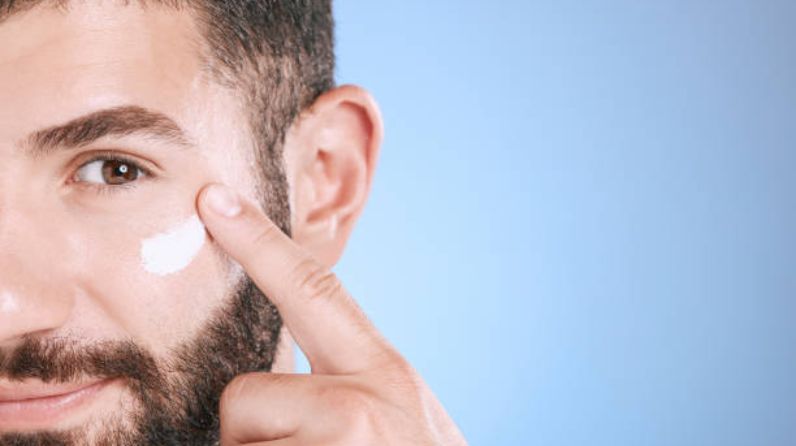
How To Take Care Of Your Face Skin Male is a common question among men who want cleaner, healthier, and smoother skin. Many men struggle with acne, oily skin, dryness, razor bumps, and dullness because they do not follow a proper skincare routine. The good news is that healthy skin does not require complicated products or expensive treatments. Simple habits like washing your face, using moisturizer, shaving correctly, and protecting your skin from the sun can improve your appearance and keep your skin looking fresh
Why Men Need A Face Skincare Routine
Men’s skin is usually thicker and oilier than women’s skin because of testosterone. That extra oil can lead to clogged pores, acne, blackheads, and rough texture. Shaving can also damage the skin barrier and cause redness or razor bumps. A proper skincare routine helps remove dirt, reduce oil buildup, and protect the face from damage caused by sunlight and pollution.
Many men believe skincare is only about appearance, but healthy skin is also part of overall health. When the skin barrier becomes weak, irritation and breakouts become more common. Simple daily habits can prevent many of these issues before they start.
Start With A Gentle Face Cleanser
The first step in learning how to take care of your face skin male is using the right cleanser. Washing your face removes sweat, oil, bacteria, and dirt that collect throughout the day. Using regular body soap on your face is a mistake because it can dry out the skin and cause irritation.
Choose a gentle facial cleanser that matches your skin type. If your skin is oily, look for a cleanser that controls excess oil without making your face feel tight. If your skin feels dry or flaky, use a hydrating cleanser with soothing ingredients.
Wash your face twice daily, once in the morning and once before bed. Lukewarm water works best because hot water can strip away natural oils and leave the skin irritated.
Learn Your Skin Type
Understanding your skin type helps you choose the right products. Most men fall into one of four skin categories. Oily skin usually looks shiny and may have enlarged pores. Dry skin feels rough or tight and may peel during colder months. Combination skin has oily areas around the forehead and nose while the cheeks remain dry. Sensitive skin becomes red or irritated easily.
Many men waste money buying random skincare products without knowing what their skin actually needs. Once you identify your skin type, your routine becomes much more effective and easier to maintain. Healthy habits also improve skin health. Read How To Stop Bad Habits Addictions for more tips.
Moisturizing Is Important For Men
Some men avoid moisturizer because they think it makes the skin greasy. In reality, skipping moisturizer can make the skin produce even more oil. Moisturizer helps keep the skin balanced, smooth, and protected.
Apply moisturizer after washing your face while the skin is still slightly damp. Lightweight gel moisturizers work well for oily skin, while cream-based products help dry skin stay hydrated. Consistent moisturizing also helps reduce fine lines and rough texture over time.
Healthy skin looks naturally brighter and feels softer when it stays properly hydrated throughout the day.
Protect Your Face From The Sun
One of the biggest skincare mistakes men make is ignoring sunscreen. Sun damage is one of the main causes of wrinkles, dark spots, and premature aging. UV rays can also increase the risk of skin cancer over time.
Using sunscreen daily is one of the easiest ways to protect your skin. Choose a broad-spectrum sunscreen with SPF 30 or higher and apply it every morning, even on cloudy days. Sun exposure happens during driving, walking outside, and even sitting near windows.
Men who spend time outdoors should reapply sunscreen every few hours to keep their skin protected.
Build A Better Shaving Routine
Shaving can either help your skin look clean or completely damage it depending on how you do it. Dry shaving or using dull razors often causes razor burns, bumps, and irritation.
Wash your face with warm water before shaving to soften the hair. Use a quality shaving cream or gel to reduce friction. Always shave in the direction of hair growth instead of against it because this lowers irritation and ingrown hairs.
After shaving, rinse your face with cool water and apply a soothing moisturizer or alcohol-free aftershave. This helps calm the skin and reduce redness.
Exfoliate To Remove Dead Skin
Exfoliating removes dead skin cells that clog pores and make the skin look dull. Many men notice smoother skin and fewer breakouts after adding exfoliation to their routine.
You only need to exfoliate one or two times per week. Over-exfoliating can damage the skin barrier and lead to sensitivity. Gentle chemical exfoliants with salicylic acid or glycolic acid often work better than harsh scrubs.
Regular exfoliation can also improve shaving by helping prevent ingrown hairs and rough patches.
Eat Foods That Support Healthy Skin
What you eat affects your skin more than many people realize. Diets filled with processed foods, sugary drinks, and unhealthy fats can contribute to acne and inflammation. Drinking enough water also helps your skin stay hydrated and fresh.
Foods rich in vitamins, antioxidants, and healthy fats support better skin health. Fruits, vegetables, fish, eggs, nuts, and lean proteins provide nutrients your skin needs to repair itself. Omega-3 fats found in salmon and walnuts may help reduce inflammation and dryness.
Getting enough sleep also plays a major role in keeping your skin healthy and energized.
Reduce Stress For Better Skin
Stress can trigger acne breakouts, oily skin, and irritation. Many men notice their skin becomes worse during stressful periods at work or in daily life. High stress levels increase hormones that affect oil production and inflammation.
Exercise, proper sleep, and relaxation can improve both mental health and skin health. Even simple habits like walking outdoors or taking short breaks during the day can help lower stress levels.
Healthy skin often reflects healthy daily habits and balanced routines. Explore natural skincare products at Natural Health Source Skin Care
Avoid Common Skincare Mistakes
Many men unknowingly damage their skin with bad habits. Scrubbing the face aggressively does not make it cleaner. It actually irritates the skin and may worsen acne. Using too many products at once can also confuse the skin and lead to reactions.
Touching your face constantly transfers dirt and bacteria onto the skin. Sleeping without washing your face leaves oil and sweat trapped in your pores overnight. Small habits like changing pillowcases regularly and drinking more water can also improve skin quality.
Consistency matters more than using expensive skincare products.
When To See A Dermatologist
Sometimes skincare problems need professional help. Severe acne, painful breakouts, skin infections, or unusual moles should be checked by a dermatologist. A skin specialist can recommend treatments that work better than over-the-counter products.
Many men wait too long before getting professional advice, especially when dealing with acne scars or chronic irritation. Early treatment can prevent long-term skin damage and improve confidence faster.
Create A Simple Daily Routine
A basic skincare routine does not need to be complicated. Most men can improve their skin by following a few consistent steps every day. Wash your face with a gentle cleanser, apply moisturizer, and use sunscreen in the morning. At night, cleanse again and moisturize before bed.
Adding exfoliation once or twice weekly can improve results even more. Over time, these small habits help your skin look cleaner, smoother, and healthier.
Conclusion
Learning how to take care of your face skin male is about building simple habits that protect and improve your skin every day. Cleansing, moisturizing, sunscreen, healthy eating, and proper shaving all work together to keep your face looking fresh and healthy. You do not need dozens of expensive products to see results. A consistent routine matched to your skin type can make a major difference in how your skin looks and feels over time.