


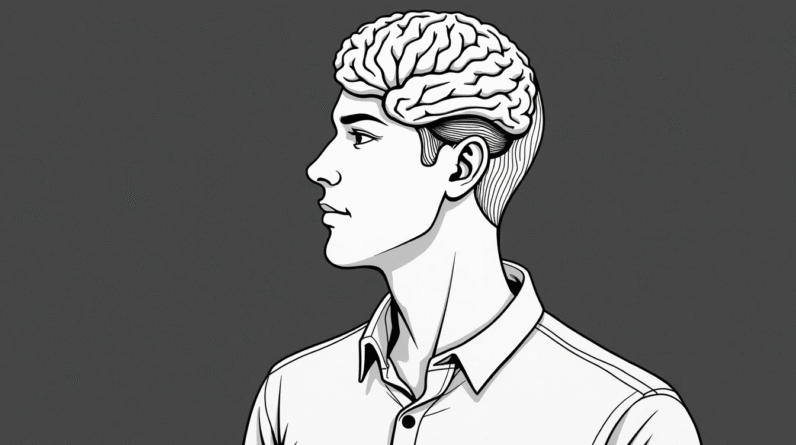
Distractions are everywhere and most guys feel it. Stress builds up, motivation slides, and it’s easy to lose sight of what matters. With so much noise around, clear focus and steady ambition can start to fade.
This post is here to cut through that chaos. You’ll get simple, proven ways to rewire your brain for better focus, consistent drive, and clear daily wins. Take back your clarity, reach your goals, and build momentum—one step at a time.
Understanding the Brain: The Science of Focus and Motivation
Your brain holds the map for your daily choices, moods, and habits. If you understand how it works, you can make focus and drive easier to reach. The right knowledge gives you fuel to break through distractions and get back your mental edge. Let’s look at how your brain builds habits, gets motivated, and stays sharp. Knowing the science will help you use it in your daily life, so you can win on purpose.
Dopamine and the Reward System
Dopamine gets called the “motivation molecule” for a reason. It’s a natural chemical your brain releases when you expect or get a reward. Think about the lift you feel before winning a game, finishing a workout, or even checking off a tough task. That’s dopamine in action.
But dopamine is not just about pleasure. It pushes you to chase goals and repeat actions that make you feel good. Small wins, like hitting goals or learning new things, trigger your reward system. This cycle can create momentum, giving you more drive to keep going.
Here’s how dopamine shapes daily motivation:
- Signals rewards: Your brain spotlights what feels satisfying or enjoyable.
- Fuels action: It drives you to go after things that matter, not just what is easy.
- Creates habits: Positive experiences, paired with dopamine, lay down the track for new routines.
Pay attention to what triggers that rewarding feeling. Over time, you can train your mind to crave healthy actions the same way it craves junk food or scrolling social media.
Neuroplasticity: How Your Brain Can Change
Neuroplasticity means your brain can change, even as an adult. Every new skill, routine, or thought pattern reshapes your neural pathways. Your brain is not stuck in its old ways. It gets stronger, just like a muscle, when you push it toward new habits or thinking patterns.
Change starts with action, not just intention. The more you repeat a behavior, the easier it is for your brain to wire it in. If you focus daily—even for seconds—you build better concentration. If you practice self-control, your brain lays down the links to make that skill stick.
Keep these points in mind to work with your brain’s natural wiring:
- Repeating actions strengthens pathways.
- Mixing things up challenges your brain and keeps it flexible.
- New habits, even small ones, build over time.
Don’t get stuck thinking you’re set in your ways. Your brain is designed to adapt, change, and grow—if you give it a reason.
The Habit Loop and Building Consistency
Habits run your day, often before you even think about it. The “habit loop” has three parts:
- Cue: A trigger that kicks things off—like a time of day or a feeling.
- Routine: The action you take, whether it’s grabbing coffee or hitting snooze.
- Reward: What you gain, even if it’s just comfort or relief.
Here’s the key: You can shape that loop to your advantage. Replace a routine with something better, keep the same cue, and reward yourself for the change. Soon, the brain tags the new habit as the path to a win.
Practical ways to use the habit loop:
- Start tiny. Pick a cue you already notice, like brushing your teeth, and add a new action. For example, do five push-ups right afterward.
- Stack rewards. Give yourself credit for sticking to the action, whether it’s a mental “good job” or a small treat.
- Stay consistent. The brain loves routine. The more you repeat, the more automatic it gets.
Habits help you win without thinking. Get them right, and motivation will feel natural, not forced. You’ll move closer to your goals every day—almost on autopilot.
Declutter Your Mind: Daily Rituals That Sharpen Focus
A cluttered mind makes everything feel heavier. When your head feels packed with to-dos, worries, and useless noise, focus goes out the window. Pinpoint moments of clarity are possible, though, by building small routines into your day. They don’t have to be perfect or take all morning. The right habits set you up with mental breathing room and strong, steady focus across the whole day.
Morning Routines That Set the Tone for Success
Your morning shapes the rest of your day. If you roll out of bed to a blaring alarm and scroll your phone before your feet hit the floor, your mind starts off scattered. A few simple tweaks make a huge difference.
Try this short list to clear out morning mental clutter:
- Get up at the same time every day. Consistency helps your brain shake off fog and shift into gear.
- Drink a glass of water first thing. Your brain loves hydration after sleep.
- Skip the phone for the first 30 minutes. Let your mind wake up before you add outside noise.
- Move your body—stretch, walk, or do a few push-ups. Physical action wakes up your mind as much as your muscles.
- Write out your top 1-3 tasks, not a full-blown to-do list. Keep it simple so you can cut through distractions and focus.
- Open a window for fresh air. Oxygen helps your mind feel awake and present.
These habits tell your brain it’s time to shift from rest into purpose. You start off better, and that clear intention can carry all day.
Digital Detox: Mastering Technology Boundaries
Constant alerts, endless feeds, and ‘just-one-more’ scrolling sap your ability to focus. Many guys don’t realize how much mind space their phone steals. If you want sharper thinking, you need tech breaks.
Setting boundaries with technology is easier than it sounds:
- Turn off non-essential notifications. Only let the urgent stuff in.
- Set phone-free zones (like the dinner table, bedroom, or gym bag). Your mind needs real breaks.
- Use “Do Not Disturb” for chunks of your workday. Protect your focus window.
- Delete one app that wastes your time the most. Make it inconvenient to get distracted.
- Put your phone in another room for an hour each night. Give your mind room to slow down before bed.
Making tech work for you (not the other way around) helps clear away some of the biggest focus-killers in everyday life. You’ll be surprised how quickly your brain stops craving the scroll.
Mindfulness for Men: Simple Practices That Work
You don’t need to sit cross-legged for an hour to start mindfulness. Even a few minutes of focused awareness counters the pull of distractions. These low-key, practical techniques help men slow down, clear their heads, and focus on what matters.
Here are a few to try:
- Two-Minute Meditation: Sit still, close your eyes, and focus on your breath for just two minutes. Let thoughts come and go—no need to fight them. Set a timer if you need to.
- Journaling for Clarity: Write out what’s on your mind for five minutes in the evening. Don’t edit or judge. Just get it out, then shut the notebook. This works like a brain dump, clearing space for real sleep.
- Box Breathing: Breathe in for a count of four, hold for four, out for four, hold for four. Repeat four times. It’s a quick reset for your brain if you’re feeling scattered.
- Micro-Breaks: Stand up, stretch, and focus on the feeling in your body for 30 seconds every hour. You’ll come back sharper.
- Single-Tasking: During a task, notice when your attention drifts. Pull it gently back to the job at hand. Even if you do this just once or twice a day, your focus muscles get stronger.
Consistency matters more than perfection. Small acts every day work better than forcing a new habit for a week and then dropping it. Choose one practice and stick with it for a few days—your mind can only get clearer from there.
Boost Your Drive: Train Your Brain for Consistent Motivation
Motivation sometimes feels like an on-off switch. Some mornings you wake up fired up, but others it feels like your tank is empty. The key to steady drive isn’t just waiting for a spark. You can train your brain for reliable motivation, like a muscle that grows strong with use. This section breaks down simple ways to build that inner momentum, so you don’t have to rely on “feeling it” to take action.
Set Realistic, Daily Wins
Big goals are exciting, but they can drain you if progress feels slow. The brain craves progress and small victories build a steady flow of motivation.
Try these steps to make daily wins part of your routine:
- Break big goals into single steps. Focus on just today’s task, not the whole mountain.
- Track your progress. Mark off tasks on paper or use a simple app. Each check feels good.
- Celebrate each win. Take a moment to recognize your completed action, even if it’s small.
Daily wins keep your brain engaged. You start seeing yourself as a guy who gets things done, which builds belief and momentum for tomorrow.
Use Visual Cues to Trigger Action
Sometimes, motivation gets lost in everyday busyness. Visual cues make good habits front-and-center, giving your brain an instant reminder to act.
Here’s how to set up easy visual cues in your life:
- Place your gym bag by the door at night. You wake up with the nudge to move.
- Put your running shoes next to your bed. It’s a sign to get active.
- Post a sticky note with your big goal above your desk. It keeps you aiming at something real.
These little prompts cut through the mental clutter and help you show up on autopilot, even when energy is low.
Replace Negative Self-Talk with Action Words
Getting stuck in your head kills motivation. Your inner voice can be your worst critic. The trick is to spot negative thoughts early, and swap them for action-based language.
Use these swaps in your self-talk:
- Instead of “I can’t get going,” try “I get started now.”
- Forget “I’m always behind.” Try “I finish one step now.”
- Swap “This is too big.” for “I tackle one piece today.”
Strong, simple words kick your brain into gear. The more you practice this, the less power negative thinking holds over your drive.
Use the Power of Rewards—But Be Smart About It
Rewards aren’t just for kids or big achievements; they fuel motivation in adult brains too. The trick is picking rewards that push you forward, not ones that sabotage your progress.
Some smart ideas for self-rewards:
- Plan your favorite snack after a tough workout.
- Watch an episode of your favorite show only after you finish that big report.
- Set up a small purchase or outing for hitting a weekly target.
Keep your rewards in line with your goals. These boosts give your brain a reason to work and turn effort into something you want to chase.
Build Accountability into Your Routine
Knowing someone is watching (even in a friendly way) can spark action. The brain pushes harder when you know your effort gets seen.
Easy ways to use accountability:
- Text a friend your daily goal. Follow up with a photo or quick check-in.
- Join a small group with the same target. Groups for fitness, readings, or skills help you stick with it.
- Use online trackers or community challenges. Public progress keeps you honest.
A small push from outside (or even just the idea of one) adds fuel to your fire.
Train Your Brain With Consistency
Motivation isn’t a one-time trick. Repeating the process of showing up, acting, and finishing—even in small doses—rewires your brain for drive. Over time, it becomes less about “feeling like it” and more about habit. Tiny rituals practiced every day build the mental muscle for reliable motivation, so you can rely on yourself no matter how you woke up.
Stick with the basics, repeat often, and make your wins visible. Your brain will start to crave action, not just comfort. That’s how real drive is built.


