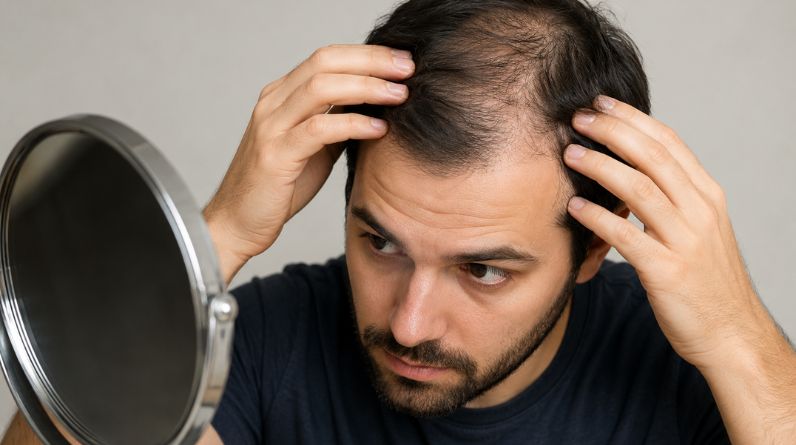
If you’ve ever wondered why does the back of my head hurt, you’re not alone—and it’s usually not something serious. For many men, this kind of pain comes from stress, poor posture, tight neck muscles, dehydration, or even how you sleep. I’ve felt it myself during long workdays and heavy training weeks, and once I understood the cause, it became much easier to manage. Let’s break down what’s really behind this pain and what you can do about it today.
Back of Head Pain Causes in Men
Back of head pain shows up in men more often because of how we live day to day. Long work hours, heavy training, constant screen use, and mental stress all stack tension into the neck and shoulders. I’ve seen this pattern in my own life and in the men I coach. Most of the time, this pain builds slowly from daily habits rather than appearing out of nowhere.
Pain at the Base of the Skull and Neck Tension
Pain at the base of the skull often starts in the neck muscles that attach directly to the head. When these muscles stay tight, they pull on the skull and create a steady ache or pressure. Desk work, long drives, and lifting with poor posture make this worse over time. This type of pain usually feels dull, tight, or heavy rather than sharp.
Stress Headache at the Back of the Head
Stress headaches at the back of the head happen when mental pressure turns into physical tension. Many men clench their jaw, tighten their shoulders, or brace their neck without noticing. I’ve caught myself doing this during stressful weeks more times than I’d like to admit. When stress stays high, the muscles never fully relax.
Poor Posture Causing Headaches in the Back of the Head
Poor posture headaches often come from rounded shoulders and a forward head position. Phone neck and long hours on a laptop force the neck muscles to work harder just to hold the head up. Even men who train regularly can miss this if gym posture doesn’t match daily posture. Over time, this strain travels upward into the head.
Tight Neck Muscles Causing Head Pain
Tight neck muscles causing head pain are common in men who train hard but skip mobility work. Lifting without stretching keeps muscles short and stiff. Many men avoid mobility because it feels optional, especially when time is tight. As stiffness builds, the neck loses its ability to relax fully.
Dehydration and Back of Head Headaches
Dehydration headaches at the back of the head can sneak up quickly. Busy days, coffee intake, workouts, and heat all increase fluid loss. I’ve noticed that mild dehydration often shows up first as head or neck discomfort. Once hydration improves, the pressure usually eases.
Back of Head Pain From Sleeping Position
Back of head pain from sleeping position often comes from poor neck alignment overnight. A pillow that is too high or too flat bends the neck for hours at a time. Side and back sleepers need different support to keep the neck neutral. Waking up with stiffness is often a sign the setup needs adjustment. Stress headaches at the back of the head often come from ongoing tension and tight muscles, a pattern also discussed in resources on stress and tension headaches.
When Back of Head Pain Is Usually NOT Serious
Back of head pain is often not serious when it comes and goes. Many men notice it after long days, hard workouts, poor sleep, or stressful weeks. When the pain is occasional and not getting worse, it usually points to tension or lifestyle factors rather than a medical problem.
This kind of pain often improves with simple changes. Better posture, more water, light movement, and quality sleep can make a noticeable difference. I’ve seen this happen both personally and with men I work with once they address the basics.
If the pain eases with rest and self-care, that’s a reassuring sign. The body often uses discomfort as a reminder to slow down or reset habits. Paying attention early can prevent the issue from becoming a regular problem.
Simple Things Men Can Do Today to Reduce Back of Head Pain
- Fix posture: Keep your head over your shoulders instead of leaning forward.
- Move your neck: Slow, gentle neck movements help release tight muscles.
- Drink more water: Mild dehydration often triggers head and neck discomfort.
- Check your pillow: Poor neck support can cause pain by morning.
- Lower stress: Deep breathing or a short walk helps relax tension.
My Personal Experience With Neck Tension and Head Pain
I used to feel this dull pressure at the back of my head after long workdays and heavy training weeks. At first, I ignored it and pushed through, thinking it was just part of getting older. Once I became aware of my posture, stress levels, and how tight my neck actually was, things started to change.
Simple adjustments made the biggest difference. Paying attention to how I sat, adding a few minutes of neck movement, drinking more water, and managing stress helped ease the tension. It reminded me that small daily habits often matter more than quick fixes.
Final Thoughts
Pain at the back of the head is often your body’s way of asking for attention, not sounding an alarm. In many cases, it reflects tension, posture habits, stress, or recovery needs rather than something serious. Learning to notice these signals early can make a big difference over time.
Small daily adjustments usually matter more than quick fixes. Better posture, regular movement, hydration for men, quality sleep, and stress management add up. When you take care of the basics, the body often responds in a simple, predictable way.
FAQs
Why does the back of my head hurt after work?
Long hours sitting, using screens, or driving can tighten the neck and shoulders. That tension often builds through the day and shows up as pain in the back of the head.
Can stress really cause pain in the back of the head?
Yes, stress commonly leads to jaw clenching and shoulder tension without awareness. Over time, this muscle tightness can trigger headaches in the back of the head.
Is back of head pain linked to neck muscles?
The neck muscles attach directly to the base of the skull. When they stay tight or overworked, they can send pain upward into the head.