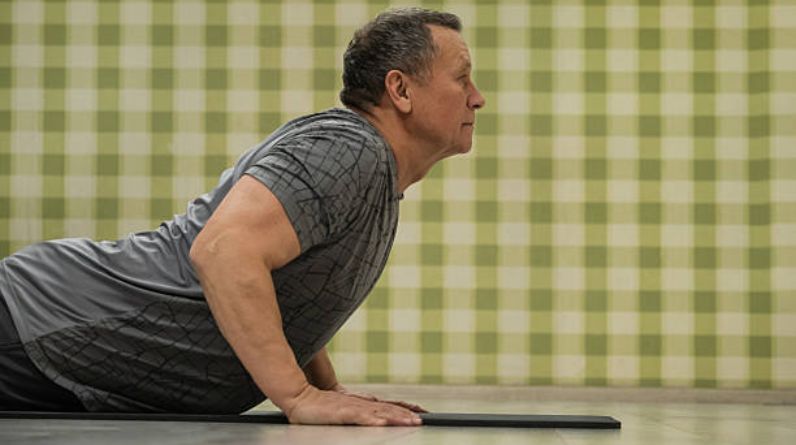
Mobility doesn’t disappear overnight—I’ve learned it fades quietly when we stop paying attention. When I started asking myself how to maintain mobility in old age, I realized it had less to do with age and more to do with how I moved every single day. This isn’t about being old or broken; it’s about learning how to stay mobile as you age through simple movements, balance, and daily habits that protect your joints long term. I’ve tested exercises to improve mobility naturally, made mistakes, and adjusted what didn’t work, especially when stiffness and joint pain crept in. In this guide, I’ll share what actually helped me stay active longer—and how you can start today, without overthinking it.
Why Mobility Matters More Than Strength as Men Get Older
Most men chase strength, but mobility is what makes strength useful in real life. I’ve seen strong men struggle with bending, turning, or standing up smoothly. Strength gives power, but mobility gives control. Without control, daily movement suffers.
Stiffness doesn’t arrive suddenly. It builds slowly from sitting too much and ignoring small aches. Daily tasks feel tighter before workouts feel harder. That’s how mobility fades quietly.
Strength can hide poor movement for years. One wrong step can expose the problem. Mobility shows up in everyday life first. Move well daily, and strength starts working for you again.
How to Stay Mobile as You Age
Staying mobile isn’t about extreme flexibility or complicated routines. It’s about keeping your body moving well in everyday life. When you learn how to stay mobile as you age, simple actions feel easier and more natural. Mobility supports confidence, safety, and independence.
What “Staying Mobile” Really Means
Mobility starts with healthy range of motion. Your joints should move smoothly without pain or strain. When range is maintained, daily movements like reaching or squatting feel controlled.
Balance plays a major role in mobility. It keeps you steady and helps you move without fear. Good balance allows your body to react smoothly instead of stiffening up.
Control matters more than flexibility extremes. You don’t need deep stretches or advanced moves. You need strength and control through normal movement ranges.
Common Mobility Mistakes Men Make
Sitting too long is one of the biggest problems. Long hours of sitting tighten hips and stiffen the back. Over time, movement starts to feel restricted.
Another mistake is focusing only on lifting weights. Strength without movement work leaves joints unprepared for daily life. Mobility needs regular practice.
Many men ignore small aches. Mild stiffness feels harmless at first. Left unchecked, it slowly limits how freely you can move.
Exercises to Improve Mobility Naturally (No Gym Required)
You don’t need a gym or fancy equipment to stay mobile. Some of the best exercises to improve mobility naturally come from simple, daily movement. When done consistently, these movements keep joints active and help you stay comfortable in your body. The key is moving often, not moving hard.
Simple Daily Movements That Keep You Moving
Joint circles are an easy place to start. Slow circles for the shoulders, hips, knees, and ankles keep joints lubricated. These are simple movements to stay active longer because they reduce stiffness before it builds.
Controlled squats help maintain hip, knee, and ankle movement. You don’t need to go deep or fast. Smooth, slow squats train control and coordination.
Walking with intent matters more than speed. Stand tall, swing your arms, and take full steps. This turns walking into a full-body mobility tool.
How to Improve Balance and Flexibility Safely
Single-leg balance builds stability fast. Standing on one leg for short periods trains your body to stay controlled. This improves balance without stress.
Slow transitions protect joints. Move carefully when standing up, sitting down, or changing direction. Slow movement teaches your body to stay stable.
Balance is mobility insurance. When balance improves, your body moves with confidence. This reduces stiffness and lowers the risk of injury over time. For reliable, natural supplements and wellness support, check out Natural Health Source
How to Keep Joints Flexible Long Term
Keeping joints flexible long term isn’t about forcing stretches. It’s about regular, gentle movement that joints can handle every day. When joints move often, they stay nourished and responsive. This is how flexibility lasts.
Movement vs Stretching (What Works Better)
Stretching alone isn’t enough. Long static stretches can feel good, but they don’t teach joints how to move. Joints need motion, not just length.
Active mobility works better because it combines movement and control. You move joints through safe ranges while staying relaxed. This builds flexibility that actually shows up in daily life.
Ways to Prevent Stiffness and Joint Pain
Movement frequency matters more than intensity. Short, frequent movement keeps joints loose. Long gaps without movement lead to stiffness.
Load management protects joints. Too much stress causes irritation, while too little causes weakness. Balanced effort keeps joints healthy.
Recovery habits support flexibility. Quality sleep, light movement, and rest days help joints reset. Recovery keeps pain from building up.
Daily Habits to Maintain Mobility (This Is Where Results Come From)
Daily habits matter more than workouts. Small actions done often protect mobility better than occasional effort. This is where real progress happens.
Small Habits That Compound Over Time
Morning movement wakes up stiff joints. A few minutes of easy motion prepares the body for the day. This prevents tightness from settling in.
Sitting breaks are essential. Standing, stretching, or walking every hour keeps joints active. Long sitting is one of the biggest mobility killers.
Evening wind-down mobility helps recovery. Gentle movement before bed relaxes joints. It also reduces next-day stiffness.
How I Personally Protect My Mobility
What didn’t work was ignoring tightness. I pushed through stiffness and hoped it would fade. It only got worse.
What finally worked was daily movement. Short sessions spread through the day made the biggest difference. Consistency beat effort.
What I still do daily is simple movement. Joint circles, walking, and slow transitions keep my body feeling capable.
How Mobility Supports Strength, Confidence, and Independence
Good mobility improves workouts. When joints move well, strength exercises feel smoother and safer. This leads to better results.
Mobility reduces injury risk. Controlled movement protects joints and muscles. Fewer aches mean more consistency.
Mobility builds confidence in daily life. You move without fear or hesitation. Independence becomes the real reward.
Conclusion
Mobility isn’t something you suddenly lose one day. It fades slowly when movement gets ignored and routines get busy. The good news is that it comes back the same way it was lost—through small, consistent actions done daily.
You don’t need intense workouts, long sessions, or perfect routines. Simple movement, done often, keeps joints healthy and confidence high. When you move well, strength becomes useful, pain stays lower, and daily life feels easier.