Starting a family brings hope and many questions. Many men look for health tips for men trying to conceive but feel unsure where to begin. I saw this with a close friend who felt healthy yet knew little about how daily habits affect fertility.
Over time, I learned how men can improve fertility naturally through better food, sleep, and simple routines. This guide shares foods that increase sperm count in men, key lifestyle tips to boost male fertility, and helpful vitamins for male fertility support. Small habits often create the best ways to improve sperm quality naturally.
My Personal Experience Learning About Male Fertility
My interest in male fertility began through simple conversations with friends who wanted to start a family. Many of them felt healthy yet still faced questions about reproductive health. That curiosity pushed me to explore the science behind fertility and everyday habits. Male fertility often improves through steady lifestyle changes that support the body’s natural balance.
A common pattern appeared during these conversations. Many men believed fertility depended only on age or luck. Research and real life both show that daily habits shape reproductive health in powerful ways. Male fertility often responds to better nutrition, rest, and stress control.
Small adjustments began to stand out as meaningful steps. Balanced meals, active routines, and proper sleep helped many men support their overall health. These changes create an environment that supports reproductive wellness. Natural lifestyle improvements remain one of the most practical ways to support fertility.
How Men Can Improve Fertility Naturally
Male fertility depends on several biological factors that work together inside the body. Sperm production relies on hormone balance, proper nutrition, and healthy circulation. Supportive daily habits help maintain these systems. Natural health practices often strengthen reproductive function over time.
Understanding Male Fertility Basics
Sperm count describes the number of sperm cells present in semen. A healthy count supports better chances of conception. Good nutrition and stable hormone levels often support normal sperm production. Research often links balanced diets with stronger reproductive health.
Sperm quality refers to movement, shape, and overall vitality. Strong movement helps sperm travel toward the egg. Antioxidant nutrients and healthy blood flow support this process. Better sperm quality often reflects stronger overall health.
Hormones guide sperm production and reproductive balance. Testosterone plays a central role in this process. Nutrient intake, sleep quality, and physical activity influence hormone stability. Healthy hormone levels support normal reproductive function.
Lifestyle patterns also affect fertility health. Diet quality, sleep, stress levels, and exercise all influence reproductive systems. Balanced routines support the body’s natural cycles. Healthy lifestyle choices often promote stronger fertility outcomes.
Why Lifestyle Matters for Male Fertility
Daily habits act like soil in a garden. Healthy soil helps seeds grow strong. In a similar way, supportive habits create a healthy environment for sperm production. Nutrition, sleep, and stress management all influence reproductive balance.
Scientific research often links healthier lifestyles with improved sperm parameters. Diet rich in whole foods provides key nutrients for reproductive cells. Physical activity supports circulation and hormone health. These habits support long-term fertility health.
Foods That Increase Sperm Count in Men
Nutrition plays a powerful role in reproductive health. Many foods provide nutrients that support sperm production and hormone balance. Balanced meals help supply antioxidants, healthy fats, and essential vitamins. Nutrient-rich diets often support male fertility.
Key Nutrients That Support Sperm Health
Zinc supports testosterone production and sperm development. Many studies connect adequate zinc intake with improved reproductive health. Foods such as pumpkin seeds and seafood provide strong sources of this mineral. Zinc supports the body’s natural reproductive processes.
Vitamin C acts as an antioxidant that protects sperm cells. Oxidative stress may weaken sperm structure and movement. Fruits such as oranges and berries supply natural vitamin C. Antioxidant nutrients support healthier sperm cells.
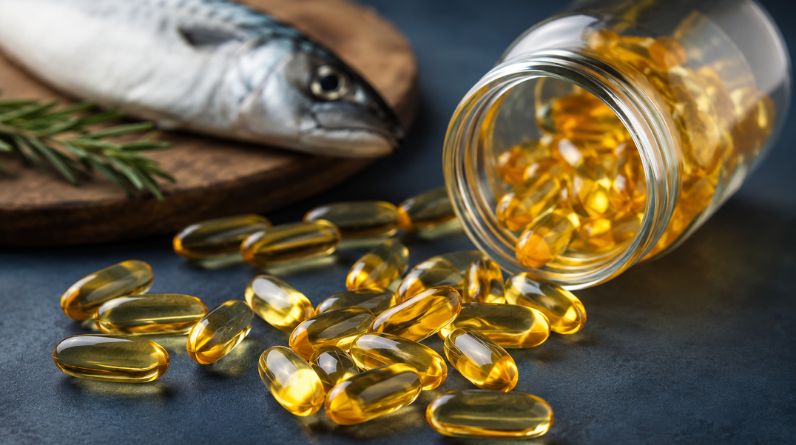
Omega-3 fatty acids support cell membrane health. Healthy sperm require strong cell membranes for movement and stability. Fatty fish and walnuts provide natural sources of omega-3 fats. Healthy fats support overall reproductive function.
Folate supports cell development and DNA formation. Reproductive cells depend on proper genetic structure. Leafy greens provide natural folate that supports these biological processes. Adequate folate intake supports sperm development.
Selenium works as another protective antioxidant. This mineral supports sperm movement and reproductive health. Nuts, eggs, and fish provide helpful dietary sources. Selenium helps maintain healthy sperm function.
Best Foods for Male Fertility
Whole foods often provide the best nutritional support for reproductive health. Eggs provide protein and vitamin D that support hormone balance. Leafy greens offer folate and antioxidants that support cell development. Fatty fish supply omega-3 fats that help maintain healthy sperm membranes.
Nuts and seeds provide zinc and healthy fats that support reproductive cells. Berries deliver antioxidant compounds that protect sperm from oxidative stress. These foods work together to support reproductive health through balanced nutrition.
| Food | Key Nutrient | Fertility Benefit |
| Eggs | Protein and Vitamin D | Supports hormone balance |
| Spinach | Folate | Helps sperm development |
| Walnuts | Omega-3 | Improves sperm quality |
Lifestyle Tips to Boost Male Fertility
Daily habits strongly influence reproductive health. Lifestyle patterns shape hormone levels, metabolic balance, and sperm development. Consistent healthy routines support the body’s natural fertility systems.
Maintain a Healthy Body Weight
Healthy body weight supports balanced hormone levels. Excess body fat often disrupts hormone signals related to sperm production. Balanced nutrition and regular movement help support metabolic health. Stable metabolism supports reproductive balance.
Exercise Regularly but Avoid Overtraining
Moderate exercise supports blood flow and hormone stability. Activities such as walking, strength training, and cycling improve physical health. Healthy circulation helps deliver nutrients to reproductive organs. Balanced activity supports fertility health.
Manage Stress and Sleep Quality
Chronic stress may disrupt hormone balance and reproductive systems. Relaxation practices, rest, and healthy sleep cycles help regulate stress hormones. Deep sleep supports hormone production and cell repair. Restful sleep supports reproductive health.
Avoid Heat Exposure to the Testicles
High temperatures may affect sperm production. Extended exposure to hot tubs or heated environments may reduce sperm health. Loose clothing and cooler environments help maintain proper temperature balance. Temperature regulation supports normal sperm development.
Vitamins for Male Fertility Support
Certain vitamins support reproductive health through antioxidant protection and hormone support. Nutrient balance often strengthens sperm development and cellular health. Many fertility specialists recommend key nutrients for reproductive wellness.
Essential Fertility Vitamins for Men
Zinc supports testosterone levels and sperm formation. Vitamin D supports hormone balance and immune health. Vitamin C protects sperm cells from oxidative damage. CoQ10 supports energy production inside reproductive cells.
Folate helps support proper DNA formation in sperm cells. Balanced nutrient intake supports healthy reproductive function. Whole foods and nutrient-dense diets often provide these vitamins naturally.
Should Men Take Fertility Supplements
Supplements may support nutrient intake during periods of dietary imbalance. Health professionals often recommend supplements based on individual health needs. Nutrient support works best alongside healthy lifestyle habits. Balanced routines remain the foundation of reproductive health.
Ways to Improve Sperm Quality Naturally
Sperm health improves through steady lifestyle changes that support the entire body. Reproductive cells respond to nutrition, stress levels, and metabolic health. Natural health strategies support sperm development.
Quit Smoking and Reduce Alcohol
Smoking introduces toxins that may damage sperm cells. Alcohol consumption may disrupt hormone balance and reproductive signals. Reduced toxin exposure helps support healthier sperm cells. Clean lifestyle habits support reproductive health.
Reduce Exposure to Environmental Toxins
Environmental chemicals may affect reproductive systems. Plastics, pesticides, and pollutants contain compounds that influence hormone signals. Reducing exposure helps support hormonal balance. Cleaner environments support reproductive health.
Improve Overall Health and Metabolism
Metabolic health influences hormone balance and sperm development. Balanced nutrition, physical activity, and restful sleep support healthy metabolism. Healthy metabolic systems support reproductive function. For more research and natural wellness resources, many readers also explore Natural Health Source to learn about nutrition, vitality, and natural health support.
Common Mistakes Men Make When Trying to Conceive
Many men overlook simple lifestyle habits that influence reproductive health. Poor sleep patterns often reduce hormone stability. Adequate rest supports hormone production and cell repair.
Excessive alcohol consumption may weaken reproductive health. Sedentary routines may reduce circulation and metabolic health. Balanced activity supports the body’s natural fertility systems.
Poor dietary habits may limit essential nutrients needed for sperm development. Whole foods rich in vitamins and minerals support reproductive health. Nutrition plays a central role in fertility wellness.
How Long It Takes to Improve Male Fertility
Sperm production follows a biological cycle that lasts about seventy to ninety days. New sperm cells develop gradually through this process. Lifestyle improvements often show results over several months.
Healthy nutrition, stress control, and balanced activity support this cycle. Consistent habits allow the body to rebuild healthier sperm cells. Patience and steady routines support reproductive progress.
When Men Should Consider Medical Advice
Medical evaluation helps identify underlying reproductive issues. Extremely low sperm count may indicate hormonal imbalance or health conditions. Professional guidance helps clarify reproductive health.
Persistent fertility challenges may also signal medical concerns. Health professionals can evaluate hormone levels and reproductive function. Medical advice supports informed fertility planning.
FAQs
What lifestyle changes help men conceive faster
Healthy nutrition, regular activity, and quality sleep support reproductive health. Reduced stress and toxin exposure also support sperm development. Balanced lifestyle habits support fertility.
Which foods increase sperm count the most
Foods rich in antioxidants, zinc, and omega-3 fats support sperm health. Eggs, leafy greens, fish, nuts, and berries provide helpful nutrients. Nutrient-dense diets support reproductive wellness.
Do vitamins improve male fertility
Certain vitamins support sperm development and hormone balance. Nutrients such as zinc, vitamin C, vitamin D, and folate support reproductive cells. Balanced nutrition remains the foundation of fertility health.
How long does it take to improve sperm quality
Sperm development typically takes seventy to ninety days. Lifestyle improvements may influence this cycle over time. Consistent habits support gradual reproductive improvement.
Can stress affect male fertility
Chronic stress may disrupt hormone balance and reproductive function. Stress management supports hormone stability. Relaxation and sleep support reproductive health.
Final Thoughts
Fertility health often improves through small daily habits that support the entire body. Nutrition, rest, and balanced routines help maintain reproductive wellness. Consistency often matters more than quick solutions.
Reproductive health reflects overall health. Supportive lifestyle choices help create the best environment for healthy sperm production. Men play an important role in the journey toward conception.