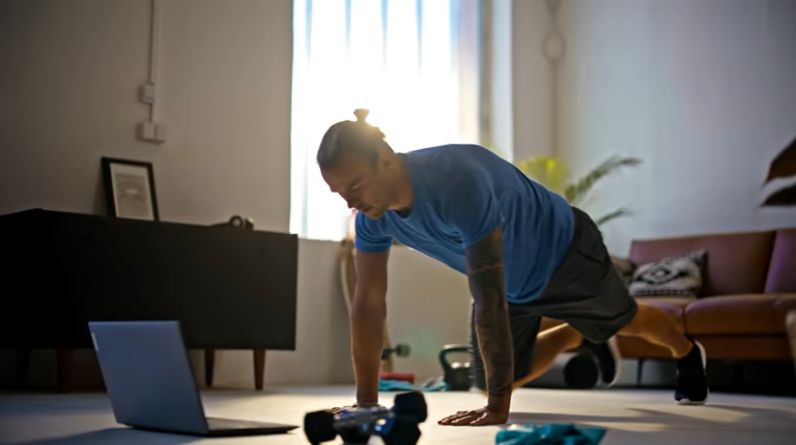
Starting a fitness routine can feel confusing, especially for beginners who do not know where to begin. Many people think they need long workouts or a gym membership to see results, but that is not true. A simple 10 minute workout for beginners at home is enough to get started and build a strong habit. Short workouts are easy to follow and do not feel overwhelming, which makes them perfect for beginners. When you keep things simple, it becomes easier to stay consistent, and consistency is what truly brings long-term results.
Why Short Workouts Are Effective
Short workouts can be very powerful when done correctly. A focused routine can increase your heart rate, activate muscles, and improve blood flow in just a few minutes. For beginners, this is the best way to start without putting too much pressure on the body. A quick session helps improve energy levels and supports fat burning. Over time, these small efforts add up and create real changes. Instead of waiting for the perfect time, starting with a short daily routine makes fitness easier to manage.
Benefits Of Working Out At Home
Working out at home gives you full control over your routine. You do not need to travel or wait for equipment, which saves time and effort. It also allows you to exercise in a comfortable space without feeling judged. This is very helpful for beginners who may feel nervous in a gym environment. Home workouts are flexible, simple, and cost-effective. With just a small space and your body weight, you can complete a full routine without any problem.
Quick Warm-Up Routine (1–2 Minutes)
Before starting any workout, it is important to prepare your body. A quick warm-up helps reduce the risk of injury and improves performance. You can begin with light movements like arm circles, gentle squats, or marching in place. These simple exercises increase blood flow and make your muscles ready for activity. Even one minute of warm-up can make your workout feel smoother and more comfortable. Skipping this step can lead to stiffness, so it is always better to take a short time to prepare.
Beginner Full Body Workout Plan
This routine is designed to target the entire body in just ten minutes. Each exercise should be done for about 40 seconds, followed by 20 seconds of rest. This timing keeps the workout balanced and manageable for beginners. The goal is to move steadily while maintaining proper form. You do not need to rush. Focus on controlled movements and breathing. This approach makes the workout more effective and reduces the risk of injury.
Jumping Jacks (Cardio Start)
Jumping jacks are a simple way to begin your workout. They increase heart rate and warm up the entire body. Beginners who find jumping difficult can switch to a step-out version. This keeps the movement low impact while still being effective. This exercise helps improve stamina and coordination. Starting with a light cardio movement prepares your body for the rest of the routine and makes the transition smoother.
Bodyweight Squats (Lower Body Strength)
Squats are one of the most important exercises for beginners. They strengthen the legs, glutes, and core. To perform a squat, keep your back straight and lower your body as if sitting on a chair. Make sure your knees do not go too far forward. Slow and controlled movement is more effective than doing many fast repetitions. This exercise also improves balance and supports daily activities like walking and climbing stairs.
Wall Push-Ups (Upper Body Strength)
Wall push-ups are a beginner-friendly version of traditional push-ups. They help build strength in the chest, shoulders, and arms without putting too much strain on the body. Stand facing a wall, place your hands on it, and push your body back and forth. This controlled movement allows beginners to develop strength safely. As you improve, you can move to knee push-ups and later full push-ups.
Standing Knee Lifts (Core Activation)
Standing knee lifts are simple but effective for engaging the core. Lift one knee toward your chest, then switch to the other leg. Keep the movement slow and controlled to feel the muscles working. This exercise also improves balance and coordination. It is a great option for beginners who want to strengthen their core without getting on the floor.
Plank Hold (Core Stability)
The plank is one of the best exercises for building core strength. It may look easy, but it challenges the entire body. Beginners can start with short holds and gradually increase the time. Keep your body straight and avoid dropping your hips. Even holding a plank for a few seconds can make a difference. This exercise helps improve posture and overall stability.
Step-Back Lunges (Balance & Strength)
Lunges are excellent for building leg strength and improving balance. Step one foot back and lower your body slightly, then return to the starting position. Alternate legs to train both sides evenly. Moving slowly helps maintain control and prevents injury. This exercise also improves coordination and supports better movement in daily life.
High Knees Or Marching (Cardio Boost)
This exercise increases heart rate and adds a cardio element to the workout. Beginners can choose between high knees or simple marching in place. Both options are effective and easy to perform. Keeping a steady pace is important. This movement helps burn calories and improve endurance without requiring much space.
Glute Bridges (Lower Body Activation)
Glute bridges are performed lying on your back with knees bent. Lift your hips upward and squeeze your glutes at the top. This exercise strengthens the lower back and glutes, which are important for posture and stability. It is very beginner-friendly and does not require any equipment. Performing this exercise regularly can help reduce lower back discomfort.
Cool Down And Stretching (1–2 Minutes)
After completing the workout, it is important to cool down. Gentle stretching helps relax muscles and reduce soreness. Focus on stretching your legs, arms, and back. This helps improve flexibility and supports recovery. Cooling down also allows your heart rate to return to normal slowly. Skipping this step can make your body feel stiff later.
How Often Should Beginners Work Out
Consistency is the most important part of any fitness routine. Beginners should aim to do this workout at least five days a week. A short routine is easier to follow daily, which makes it more effective in the long run. Even on busy days, ten minutes is manageable. Building a daily habit is more important than doing long workouts occasionally.
If you want to improve your endurance along with this routine, you can also check out How To Increase Stamina With Food to support your fitness results with the right diet.
Tips To Stay Consistent
Staying consistent can be challenging in the beginning. Setting a fixed time for your workout can help. Choose a time that fits your daily routine and stick to it. Keep your workout space ready so you do not waste time preparing. Small steps like these make it easier to stay committed. Over time, the routine becomes a natural part of your day.
Common Mistakes To Avoid
Many beginners try to do too much too soon. This can lead to injury or loss of motivation. It is important to focus on proper form and avoid rushing through exercises. Skipping warm-ups or cool-downs is another common mistake. Listening to your body is very important. If you feel pain, take a break and recover properly.
For more expert-backed health and fitness guidance, you can explore resources from Natural Health Source to learn how proper nutrition supports your workout progress.
Final Thoughts
Starting your fitness journey does not need to be complicated. A simple 10 minute workout for beginners at home can help you build strength, improve energy, and create a healthy habit. The key is to stay consistent and patient. Results take time, but small daily efforts can lead to big changes. Focus on progress, not perfection, and keep moving forward every day.