I used to think cardio was only about weight loss, but I learned it’s really about daily energy and heart strength. When I focused on how to improve my cardiovascular fitness, my workouts felt easier and recovery improved—even without a gym. In this guide, I’ll share simple, natural ways to build heart health that actually work for beginners.
What Is Cardiovascular Fitness
Cardiovascular fitness is how well your heart, lungs, and muscles work together to keep you moving without getting wiped out. It’s what lets you climb stairs, walk fast, or train without feeling out of breath right away. Think of it like your body’s fuel system—when it’s efficient, everything runs smoother. When I understood it this way, cardio stopped feeling complicated.
Most men overlook cardio because strength training feels more productive and visible. Lifting shows results fast, while cardio feels less exciting and easier to skip. But here’s the truth: better cardiovascular fitness helps your muscles recover faster and your workouts feel lighter. Once I treated cardio as support for strength, not competition, everything clicked.
Why Cardiovascular Fitness Matters for Men
More Energy, Better Strength Performance
Good cardiovascular fitness gives you more usable energy during workouts and daily life. When your heart and lungs work better, your muscles get oxygen faster, so lifts feel smoother and recovery is quicker. I noticed that even my strength days felt easier once my conditioning improved. Cardio doesn’t replace strength—it helps you show up stronger every time.
Heart Health Without Extreme Training
You don’t need intense or exhausting workouts to support heart health naturally. Steady, consistent cardio trains the heart to work efficiently without stress. Over time, this lowers strain and supports long-term heart function. From my experience, small, regular sessions did far more for my heart than pushing too hard once in a while.
Daily Life Benefits Men Actually Notice
Better cardiovascular fitness shows up outside the gym fast. You feel less tired during the day, your focus improves, and normal tasks stop feeling draining. Walking, working, or playing with family just feels easier. That everyday ease is often the first sign your heart and body are getting stronger.
Simple Ways to Improve Cardiovascular Fitness (No Overthinking)
Start Where You Are
The best way to improve cardiovascular fitness is to start with what your body can handle today. Walking, cycling, a light jog, or even using the stairs all count. You don’t need perfect form or fancy gear—just movement that raises your breathing a bit. I started with walks, and that alone built a solid base.
Short Sessions Done Daily
You don’t need long workouts to see results—10 to 20 minutes a day is enough. Short, consistent sessions train your heart without burning you out. When I stopped chasing long workouts and focused on daily movement, my energy stayed steady all week. Consistency beats duration every time.
Mix Strength + Cardio
Cardio won’t kill your gains when it’s done the right way. Light to moderate cardio improves recovery, circulation, and stamina for lifting. I actually felt stronger once I blended the two instead of choosing one. Strength and cardio work best as teammates, not rivals.
Improve Cardiovascular Fitness at Home (No Gym Needed)
Bodyweight Cardio Options
You can improve cardiovascular fitness at home using simple bodyweight movements. Marching in place, step-ups on stairs, or light shadow boxing all raise your heart rate fast. These moves don’t need equipment and fit easily into busy days. I still use them when I don’t feel like leaving the house. If you’re also rebuilding your body as you age, this guide on How to Regain Strength After 50 breaks down simple, realistic steps that actually work.
Low-Impact Cardio for All Ages
Low-impact cardio protects your joints while still training your heart. Walking, gentle cycling, and controlled step-ups are easy on knees and hips. This matters as we get older or recover from injuries. Staying consistent matters more than choosing intense moves.
Building a Simple At-Home Routine
A simple routine is enough to build better heart fitness. Aim for 10–20 minutes, 3–5 days a week, with rest days as needed. Keep the pace comfortable but steady. When I simplified my routine, I stuck with it—and that’s where progress really started.
Cardiovascular Fitness for Beginners (Men-Friendly Approach)
How Often Should Beginners Do Cardio?
Most beginners do best with cardio 3–5 days per week. This gives your heart enough work to adapt without burning you out. You don’t need to train every day to see results. When I started, spacing my sessions helped me stay consistent and recover better.
How Long Does It Take to See Improvement?
Most men notice better cardiovascular fitness within 2–4 weeks. Breathing feels easier, energy improves, and workouts feel less taxing. These small wins show up fast when you stay consistent. That early progress is usually what keeps you going.
Common Beginner Mistakes Men Make
The biggest mistake is doing too much, too soon. Many men push hard right away and skip recovery. That often leads to soreness, fatigue, or quitting altogether. Slower progress with steady recovery always wins in the long run.
Best Cardio Exercises for Heart Health
Walking (Underrated but Powerful)
Walking is one of the simplest and most effective ways to improve cardiovascular fitness. It trains the heart and lungs without stressing the joints. A steady pace that slightly raises your breathing is enough. I’ve found walking easy to stick with, which is why it works so well long term.
Cycling, Swimming, Light Jogging
These cardio options support heart health while fitting different bodies and ages. Cycling is easy on the knees, swimming works the whole body, and light jogging builds endurance if your joints tolerate it. You don’t need to do all of them—just pick one that feels sustainable. Comfort matters more than intensity.
Choosing the Right Cardio for Your Body
The best cardio is the one your body recovers from and wants to repeat. Pay attention to joint comfort, breathing, and energy levels afterward. If something leaves you drained or sore for days, it’s not the right fit. Listening to your body keeps progress steady and safe.
Walking to Improve Cardiovascular Fitness (Why It Works)
Walking strengthens your heart and lungs by keeping them active for longer periods without overload. A steady walk improves blood flow and trains your heart to pump more efficiently. Over time, breathing becomes easier and stamina builds naturally. This is why walking to improve cardiovascular fitness works so well for most men.
You don’t need to walk fast or long to see benefits. Aim for a pace where you can talk but not sing, for 20–30 minutes, 4–5 days a week. Shorter walks still count if they’re consistent. This approach keeps stress low while building real endurance.
Walking stayed in my routine because it was simple and reliable. I could do it anywhere, recover quickly, and still feel progress. On busy or low-energy days, walking kept me moving instead of quitting. That consistency is what made the biggest difference.
How to Improve Heart Health Naturally (Without Extreme Cardio)
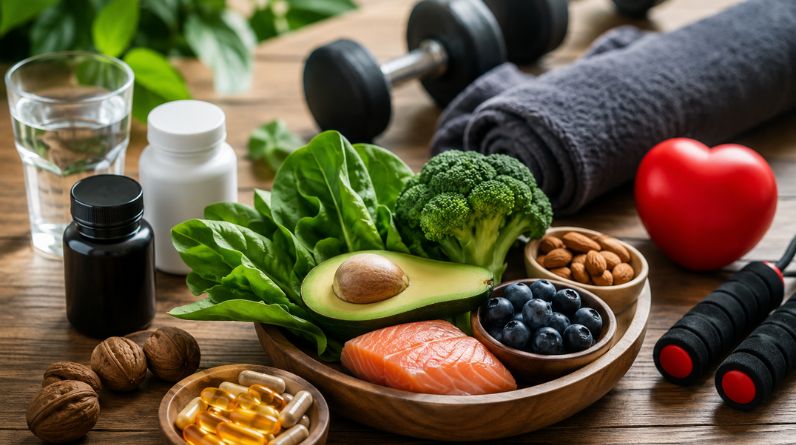
Heart health improves when you support your body outside of workouts. Quality sleep, lower stress, and proper hydration help your heart recover and work efficiently. When I fixed my sleep and stress first, my cardio sessions felt easier. This is a simple way to improve heart health naturally.
Nutrition doesn’t need to be extreme to help your heart. Eating balanced meals, limiting heavy processed foods, and staying hydrated make a real difference. I focused on consistency, not perfection. Small, steady choices supported my heart more than any strict plan.
Recovery days matter as much as movement. Rest allows your heart and muscles to adapt and grow stronger. Skipping recovery often leads to fatigue and setbacks. I learned that rest is part of progress, not a weakness.
My Personal Approach to Cardiovascular Fitness as a Man
I used to believe cardio had to be intense to count. I thought harder meant better results. That mindset only left me tired and inconsistent.
What changed was focusing on simple, repeatable habits. Walking, short cardio sessions, and proper recovery gave me better results with less stress. Progress finally felt sustainable.
If I were talking to another man starting today, I’d say this: start small and stay consistent. Choose movements you can repeat week after week. A stronger heart is built through patience, not punishment. For additional insights on natural wellness and heart health, you can explore trusted resources like Natural Health Source, which focuses on evidence-based natural health information.
Final Thoughts
A stronger heart is possible at any age. You don’t need extreme workouts or perfect routines to make progress. Small steps still count.
Consistency beats perfection every time. What you do most days matters more than what you do once in a while. Simple habits last longer.
Start today with one small action. Take a short walk or move for ten minutes. That’s enough to begin.