


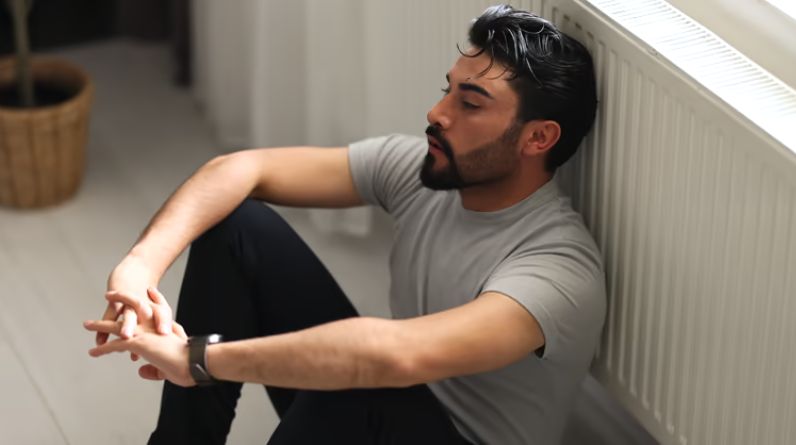
If you feel constantly tired, mentally drained, and unmotivated no matter how much you rest, you are likely dealing with burnout. Many people ignore the early signs until it becomes overwhelming. The good news is that learning how to fix burnout and regain energy is completely possible with the right approach. You do not need extreme changes. Small, consistent steps can help you feel like yourself again. This guide will walk you through practical, real-life strategies that actually work.
What Is Burnout and Why It Happens
Burnout is a state of deep exhaustion that affects both your mind and body. It usually develops slowly over time when stress builds up and recovery is ignored. Many people think burnout comes only from work, but it can also come from personal responsibilities, emotional pressure, and unhealthy routines.
When you constantly push yourself without proper rest, your body starts to lose energy, and your mind becomes overwhelmed. Over time, this leads to mental fatigue, low motivation, and even physical symptoms. Understanding the cause is the first step in fixing burnout and regaining control of your life.
Signs You Are Experiencing Burnout
Before you fix burnout, you need to recognize it. The signs are often ignored, but they are clear if you pay attention.
You may feel tired even after sleeping, which means your body is not fully recovering. Your motivation drops, and tasks that were once easy start to feel difficult. You might also feel emotionally disconnected, irritated, or overwhelmed for no clear reason.
Another common sign is poor focus. You may struggle to complete simple tasks or find yourself easily distracted. If these symptoms continue daily, it is a strong indication that burnout is affecting your energy and mental health.
Step 1: Fix Your Sleep Routine First
Sleep is the most important factor when it comes to energy recovery. Without proper sleep, your body cannot repair itself, and your brain cannot function at its best.
Start by creating a simple sleep routine. Go to bed and wake up at the same time every day, even on weekends. Avoid using your phone or watching screens at least one hour before sleeping because blue light affects your brain. Make your room dark, quiet, and comfortable so your body can relax easily.
Within a few days of improving your sleep, you will notice better focus, mood, and energy levels.
Step 2: Take Breaks Without Feeling Guilty
Many people think working harder will solve burnout, but it actually makes things worse. Your brain needs rest to function properly.
Taking short breaks during the day helps your mind reset. Even 10 to 15 minutes away from work can improve your focus and energy. After work, try to fully disconnect and avoid thinking about tasks or stress.
Rest is not a waste of time. It is a necessary step in recovery. When you allow yourself to recharge, your productivity and energy improve naturally.
Step 3: Simplify Your Daily Life
Burnout often happens because life becomes too complicated. Too many tasks, too many responsibilities, and too much pressure can overwhelm your mind.
Start simplifying your routine. Focus on a few important tasks instead of trying to do everything at once. Break big tasks into smaller steps so they feel easier to manage.
When your day feels less chaotic, your brain uses less energy, and you start feeling more in control and less stressed.
Step 4: Improve Your Diet for Better Energy
What you eat directly affects how you feel. Processed foods and sugar may give quick energy, but they lead to crashes that make burnout worse.
Focus on eating simple, healthy meals that include protein, fruits, vegetables, and whole foods. Drink enough water throughout the day to stay hydrated. Avoid too much caffeine because it can disturb your sleep and increase stress.
A balanced diet helps stabilize your energy levels and supports your recovery from burnout.
Step 5: Start Moving Your Body
Exercise might be the last thing you want to do when you feel burned out, but it is one of the most effective ways to regain energy.
You do not need intense workouts. Start with a simple walk, light stretching, or short home exercises. Even 15 minutes of movement can improve blood circulation and release endorphins that boost your mood.
Regular movement helps reduce stress and increases your overall energy over time.
Step 6: Set Healthy Boundaries
One of the biggest causes of burnout is not having clear boundaries. Saying yes to everything and taking on too much responsibility drains your energy.
Start learning to say no when needed. Limit your work hours and avoid unnecessary commitments. Protect your personal time so you can relax and recharge.
Setting boundaries may feel difficult at first, but it is essential for long-term energy and mental health.
Step 7: Reconnect With Joy and Relaxation
Burnout takes away your enjoyment from life. To recover, you need to bring that joy back into your daily routine.
Spend time doing things you enjoy, even if it is something simple like listening to music, watching your favorite show, or talking with friends. These small activities help your mind relax and reduce stress.
When you reconnect with positive experiences, your energy and mood start to improve naturally.
Step 8: Reduce Screen Time and Digital Stress
Constant exposure to screens and social media can overload your brain and increase stress without you realizing it.
Try to reduce your screen time, especially before sleep. Avoid checking your phone first thing in the morning. Take breaks from social media to give your mind space to relax.
Less digital noise leads to better focus, improved mood, and higher energy levels.
Step 9: Practice Simple Relaxation Techniques
Relaxation techniques can help calm your mind and reduce stress instantly. One of the easiest methods is deep breathing.
Take a slow breath in, hold it for a few seconds, and then exhale slowly. Repeat this for a few minutes. This simple practice helps reduce anxiety and brings your body back to a calm state.
You can also try mindfulness or meditation to improve mental clarity and emotional balance.
Step 10: Rebuild Your Energy Slowly
Recovery from burnout does not happen overnight. Trying to fix everything at once can create more stress.
Focus on small improvements each day. Celebrate your progress, even if it feels small. Be patient with yourself and understand that healing takes time.
When you stay consistent, your energy will slowly return, and you will start feeling stronger and more motivated.
Simple Daily Routine to Recover From Burnout
Creating a simple routine can make recovery easier and more structured.
In the morning, wake up early, drink water, and do light movement to start your day. During the day, focus on important tasks and take regular breaks. Eat healthy meals and stay hydrated.
In the evening, relax and avoid work-related stress. Spend time doing something you enjoy and prepare for a good night’s sleep.
Following a routine helps your body and mind regain balance. If you want to stay consistent long-term, read 10 Ways To Maintain A Healthy Lifestyle.
Common Mistakes to Avoid
Many people unknowingly make mistakes that slow down their recovery. Ignoring burnout and continuing to overwork only makes things worse.
Relying too much on caffeine for energy can disturb your sleep and increase anxiety. Skipping meals or not eating properly reduces your energy even more.
Avoid these habits and focus on healthy, sustainable changes instead.
When You Should Take Burnout Seriously
Burnout can become serious if ignored for too long. If you feel constant exhaustion, anxiety, or loss of interest in life, it is important to take action.
In some cases, professional help may be necessary. Talking to a therapist or health expert can provide guidance and support. Taking burnout seriously early can prevent long-term health problems. For more expert health tips, visit natural health source
Final Thoughts
Burnout is a clear signal that your body and mind need rest and care. Ignoring it will only make things harder in the long run. The best way to fix burnout and regain energy is to focus on simple habits like better sleep, healthy eating, regular movement, and mental relaxation.
Start small and stay consistent. Over time, your energy will return, your focus will improve, and you will feel more in control of your life. Recovery is possible, and it begins with the choices you make today.


