


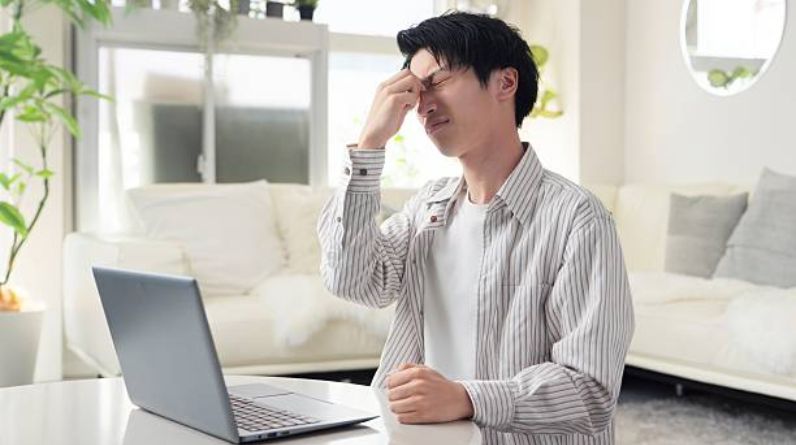
Some days feel heavy before they even begin. Work piles up. The phone never stops. The mind stays loud. I learned the hard way that knowing how to relieve stress quickly at home can change everything.
Stress feels permanent when it hits, but it is not. It is common, manageable. It is reversible. I have used simple habits and small resets to relieve stress naturally at home and get calm again.
In this guide, I will share quick stress relief techniques, real experiences, and easy ways to relax at home that actually work. Start with one step. Feel the shift. Small actions create fast relief.
Why Stress Builds Up So Fast
Stress builds fast because modern life never slows. Work asks more. Bills stay heavy. Rest feels optional. Pressure rises when recovery stays low.
For many men, work pressure leads. Long hours and deadlines stack quietly. I have carried that weight too. Constant responsibility keeps the body tense.
Money stress adds another layer. Even when things look fine, the mind keeps calculating. It drains energy. Financial worry never truly rests.
Poor sleep makes everything harder. One bad night turns small issues big. I feel it every time. A tired brain handles stress poorly.
Screens overload the mind. Phones and laptops never stop. I used to scroll late and feel wired. Constant stimulation blocks calm.
How to Relieve Stress Quickly at Home (Step-By-Step)
When stress hits, the goal is simple. Calm the body first. Calm the mind next. These steps are the fastest way I’ve found to how to relieve stress quickly at home without overthinking it.
Slow Your Breathing to Calm Your Nervous System
Slow breathing sends a safety signal to your brain. It tells your body that you are not in danger. I use this when my chest feels tight or my thoughts race.
Breathe in through your nose for 4 seconds. Hold for 4. Breathe out slowly for 6. Repeat for two minutes. You will feel your body soften.
This works because slow breathing lowers heart rate and relaxes tense muscles. It is one of the fastest ways to reduce stress.
Use Cold or Warm Water Therapy
Water changes how the nervous system responds. Cold water wakes the body and resets focus. Warm water relaxes tight muscles. Splash cold water on your face or take a warm shower. Both work. Choose what feels better in the moment. Within minutes, tension drops. Breathing slows. The mind feels clearer.
Move Your Body for 5–10 Minutes
You do not need a workout. You need movement. Walk around your home. Stretch your hips, back, and shoulders. Shake out your arms and legs. Movement releases stored stress hormones. It tells your body to shift out of survival mode.
Reduce Noise and Visual Stimulation
Noise keeps the brain alert. Screens keep it busy. Put your phone away. Lower the lights. Sit in a quiet room if possible. Less input gives your nervous system space to calm down.
Try a Quick Mind Reset
Pause for 60 seconds. Close your eyes. Pick one simple thought. Something neutral or positive. For example, “I am safe right now.” Repeat it slowly. Let everything else fade for one minute. Small mental resets create big calm.
Relieve Stress Naturally at Home Without Supplements
Good stress control starts with basic habits. No pills required. Sleep matters more than most people realize. Go to bed at the same time. Keep the room dark and cool. Poor sleep makes stress harder to control.
Drink water throughout the day. Dehydration increases fatigue and irritability. Eat simple meals with protein, whole foods, and fiber. Blood sugar swings can feel like anxiety. Get sunlight early in the day. Even 5–10 minutes helps regulate mood and energy. These small habits make it easier to relieve stress naturally at home and stay calm longer
Quick Stress Relief Techniques You Can Use Anywhere
Sometimes stress hits when you least expect it. These quick stress relief techniques work at home, at work, or even in your car.
Box breathing is simple and powerful. Breathe in for four seconds. Hold for four. Breathe out for four. Hold for four. Do this for two minutes. Your heart rate slows. Your body feels safer.
Body scan brings awareness back into your body. Close your eyes. Start at your feet. Slowly move attention upward. Notice tension. Let it go. This helps quiet racing thoughts.
Grounding technique brings you into the present moment. Name five things you can see. Four you can touch. Three you can hear. It pulls your mind away from worry.
Progressive muscle relaxation releases stored tension. Tighten one muscle group for five seconds. Release. Move upward through the body. You will feel calmer fast.
These methods are easy ways to relax at home and powerful when stress spikes.
Natural Ways to Calm Your Mind After a Long Day
Your mind needs a clear signal that the day is over. Create a simple evening routine. Same time. Same order. It trains your brain to shift into calm mode.
Cut off screens at least thirty minutes before bed. Blue light keeps the brain alert. I noticed my sleep improved fast when I did this.
Do light movement like stretching or slow walking. It releases tension without stimulating the body. Try journaling. Write what bothered you. Write what went well. Getting thoughts out of your head reduces mental load. These are natural ways to calm your mind without forcing relaxation.
Easy Ways to Relax at Home Before Bed
Nighttime relaxation does not need to be complicated. Take a warm shower. Heat relaxes muscles and lowers tension. Do gentle stretching for five minutes. Focus on neck, shoulders, hips, and back. Read a few pages of a simple book. Avoid intense content. Finish with slow deep breathing. Inhale through the nose. Exhale slowly through the mouth. These small habits make it easier to fall asleep and relieve stress naturally at home.
My Personal Experience Learning How to Reduce Stress Fast
For years, I tried to push through stress. More caffeine. More work. Less rest. It only made things worse.
What changed was going back to basics. Better sleep. Short breathing breaks. Daily movement. Less screen time at night.
Within a week, I felt calmer. After a month, I handled problems without spiraling. My energy improved. My focus returned.
The biggest lesson? Stress relief does not require extreme solutions. Small habits done daily create big calm. Better metabolic health helps the body handle stress more efficiently. Learn simple ways in our guide on How To Improve Metabolic Flexibility.
Common Mistakes That Keep Stress High
Many men try to fight stress in ways that actually make it worse. One common mistake is relying only on caffeine to push through the day. Coffee and energy drinks may boost alertness for a short time, but they also increase nervous system stimulation, which can raise tension and anxiety.
Ignoring sleep is another big problem. Poor sleep makes the brain more reactive and less resilient. When rest is low, even small challenges feel overwhelming.
Overworking without breaks keeps the body stuck in survival mode. No recovery means stress hormones stay elevated. Expecting instant perfection also slows progress. Real calm is built through small habits repeated daily, not overnight change.
How Long Does It Take to Feel Less Stressed?
Stress relief can begin sooner than most people expect. Within about five minutes, slow breathing or relaxation techniques can create noticeable physical calm.
After around seven days of consistent habits, many people feel better control over their stress response. After thirty days, mood, energy, and resilience often improve in a clear and measurable way. Many lifestyle habits that reduce stress also support overall health and longevity. You can find additional natural wellness resources
Final Thoughts
You are not broken. Feeling stressed does not mean something is wrong with you. It means you are human living in a demanding world.
You do not need extreme plans or complicated systems. You do not need to overhaul your entire life overnight. Small changes done consistently create real relief.
Focus on simple habits. Slow breathing. Better sleep. Short movement. Less screen time. These small choices add up.
Start with one habit today. Stay consistent. Calm grows from small daily actions.


